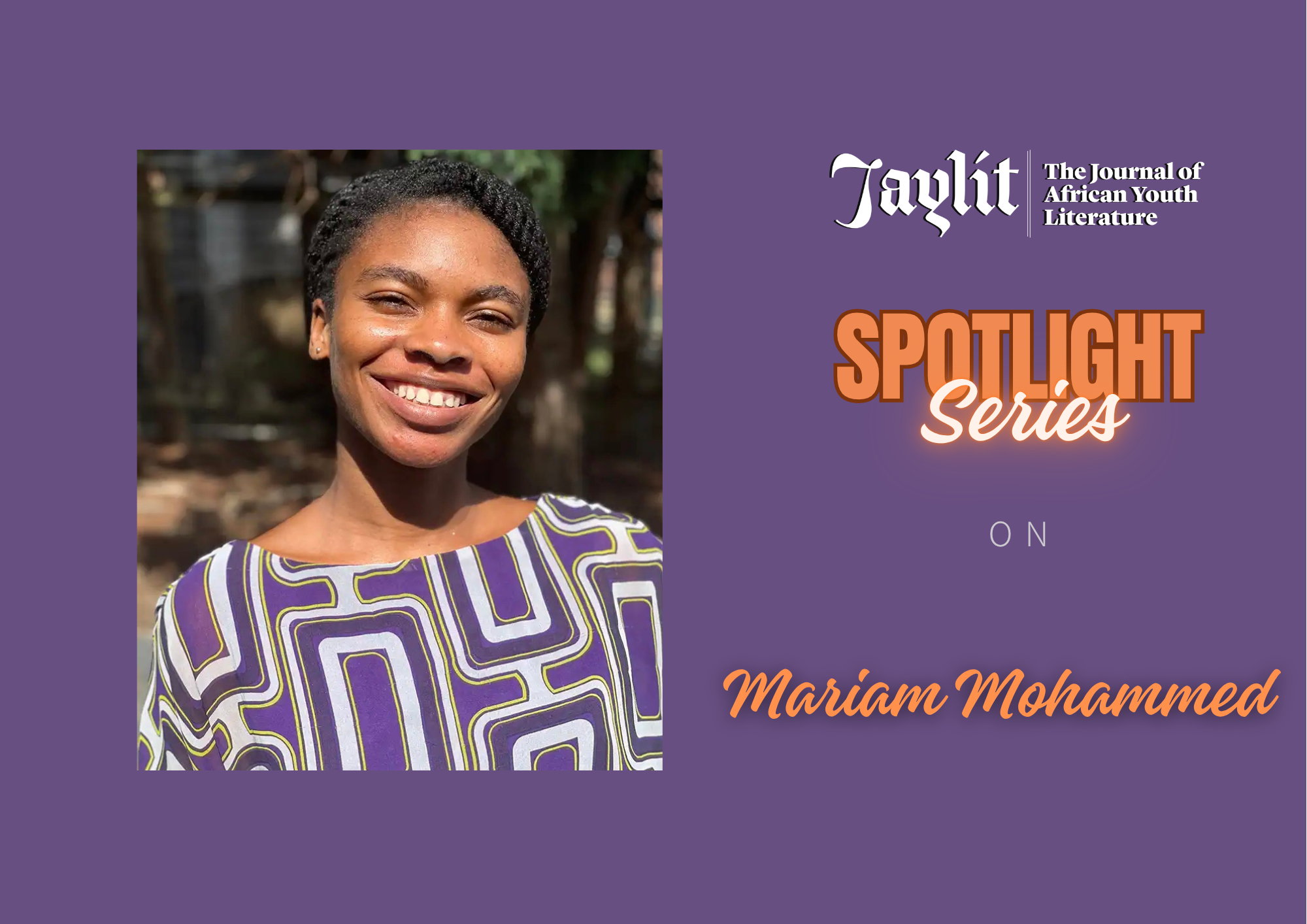
Mariam Mohammed is a Ghanaian poet and short-story writer whose earliest memories of literature date back to primary five, when her English teacher read her exam essay aloud to the class. She wished she had kept the essay but also gained from the experience, because the excitement of people making sense of what she wrote, even under exam pressure, increased her confidence in her writing skills.
Growing up in Ghana across different cities, Mariam is a creative force shaped by the memories she had with teachers, friends, libraries, and stories in Techiman, where her roots settled “deepest”.
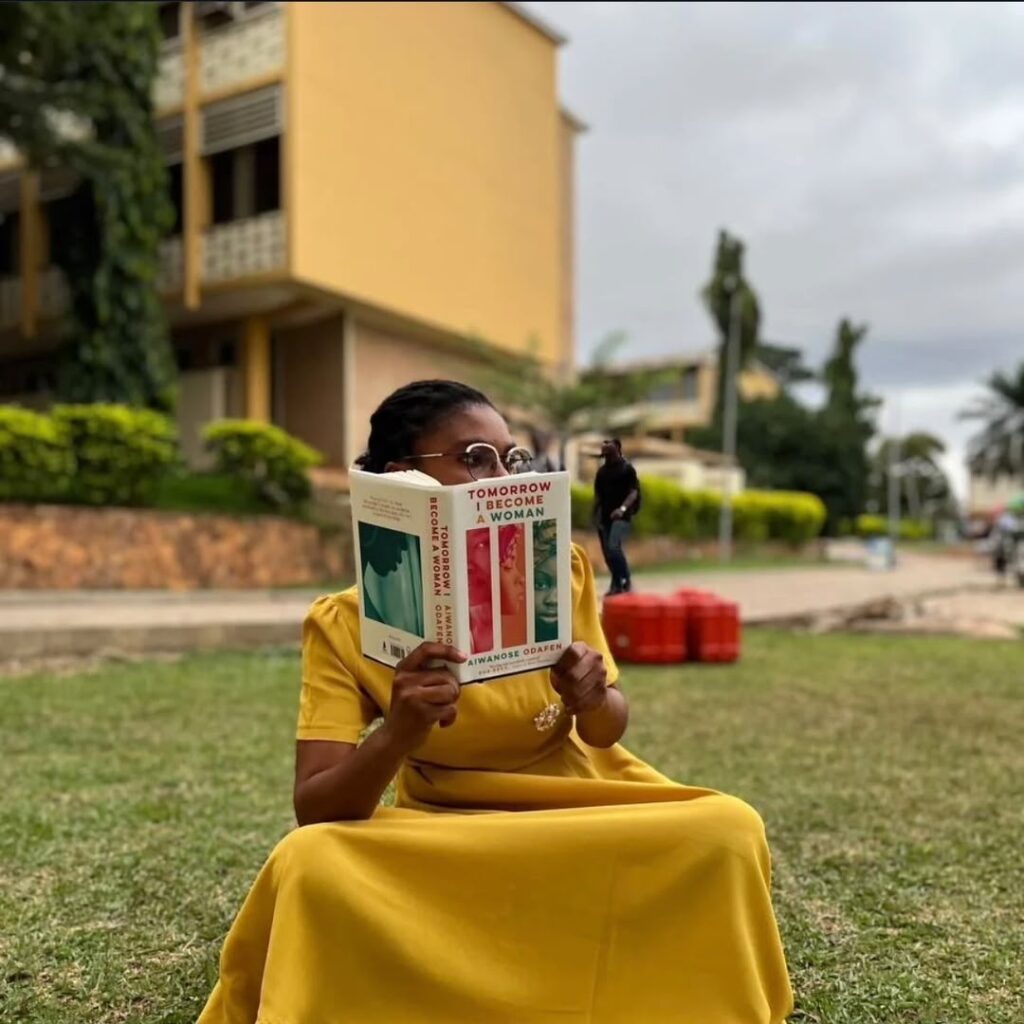
While in secondary school, she spent most of her days in the school library and practically became friends with the workers there. Reading was her escape and writing gave her joy.
In Junior High School, she attempted a memoir. She wrote poems and letters to friends and to people who had shaped her. Writing felt like a natural extension of how she processed the world because she was so interested in it that she read a lot to learn how to write successfully.
When she later encountered Maya Angelou’s words: “There is no greater agony than bearing an untold story inside you”, something clicked within her. She realized she wasn’t just writing for praise, but writing because she believed she had stories that needed to be told.
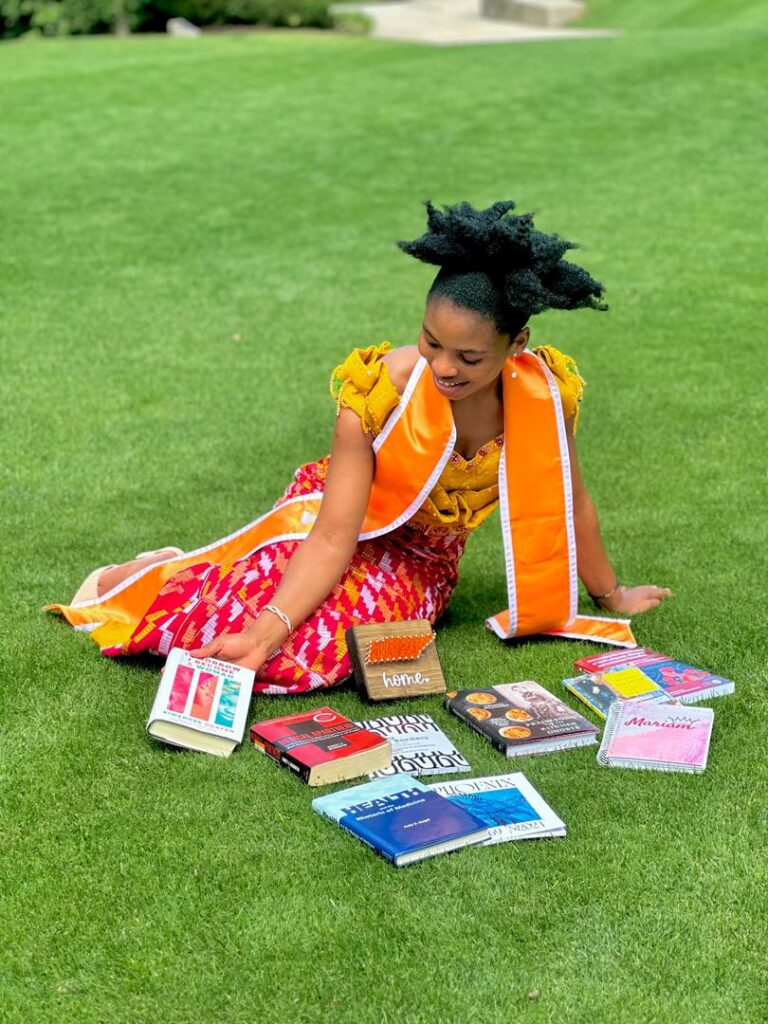
In Junior High School, she devoured the works of Margaret Safo, known by her pen name Peggy Oppong. She stared at her bio and marveled at how someone who lived in Sunyani, a neighboring city to Techiman, could craft such gripping stories. It made writing feel possible. She also read Lawrence Darmani’s Grief Child, Ama Ata Aidoo’s novels, short stories, and plays, as well as works by many Nigerian authors. African Literature became her home because it reflected her world and showed her that she too could be a storyteller.
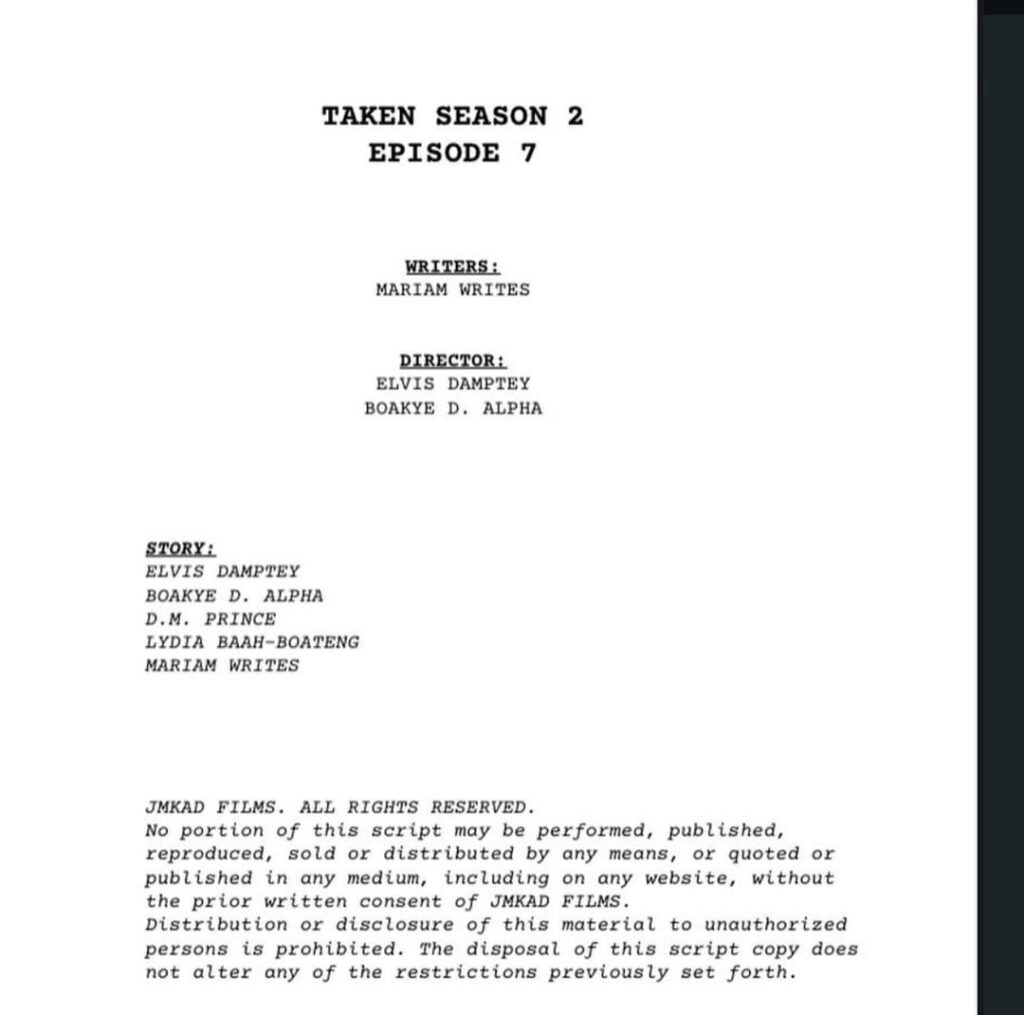
In the traditional sense, Mariam doesn’t think she has had a “breakthrough” yet. But while she hasn’t published a book, she has co-written a movie script, Taken, which she completed as an undergraduate despite having no formal training. Over the years, she has published a few short stories and poems. She does not write as often as she’d like, but the desire to tell stories hasn’t left her.
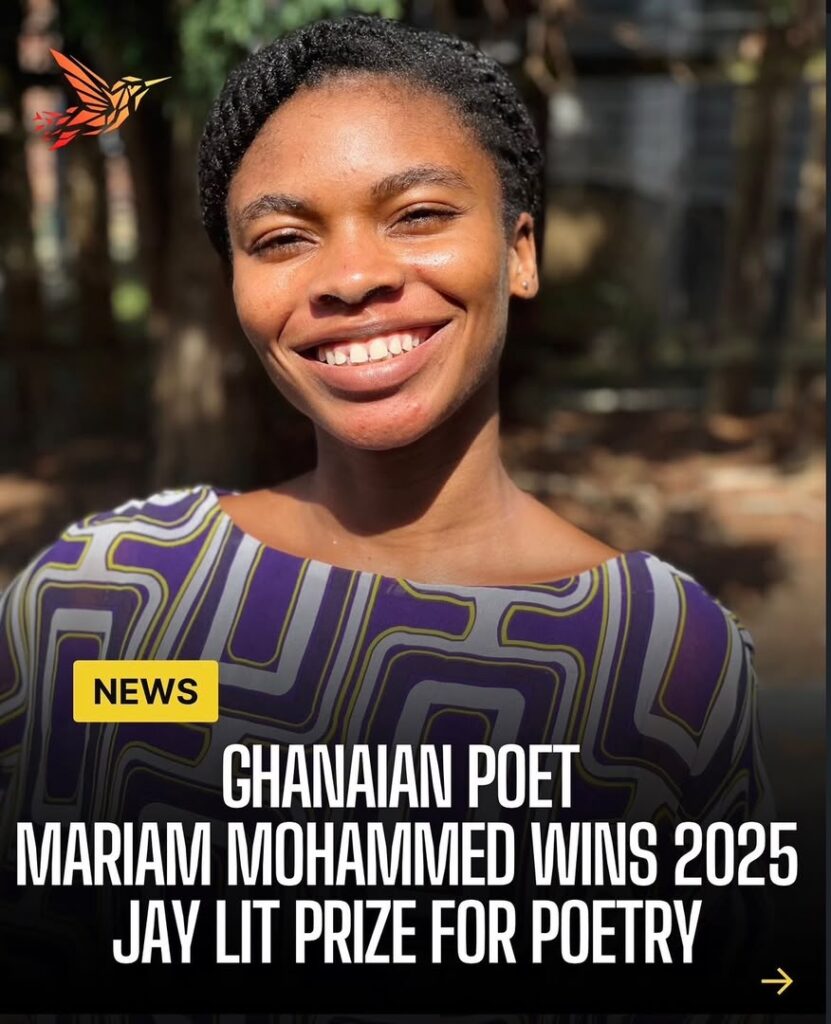
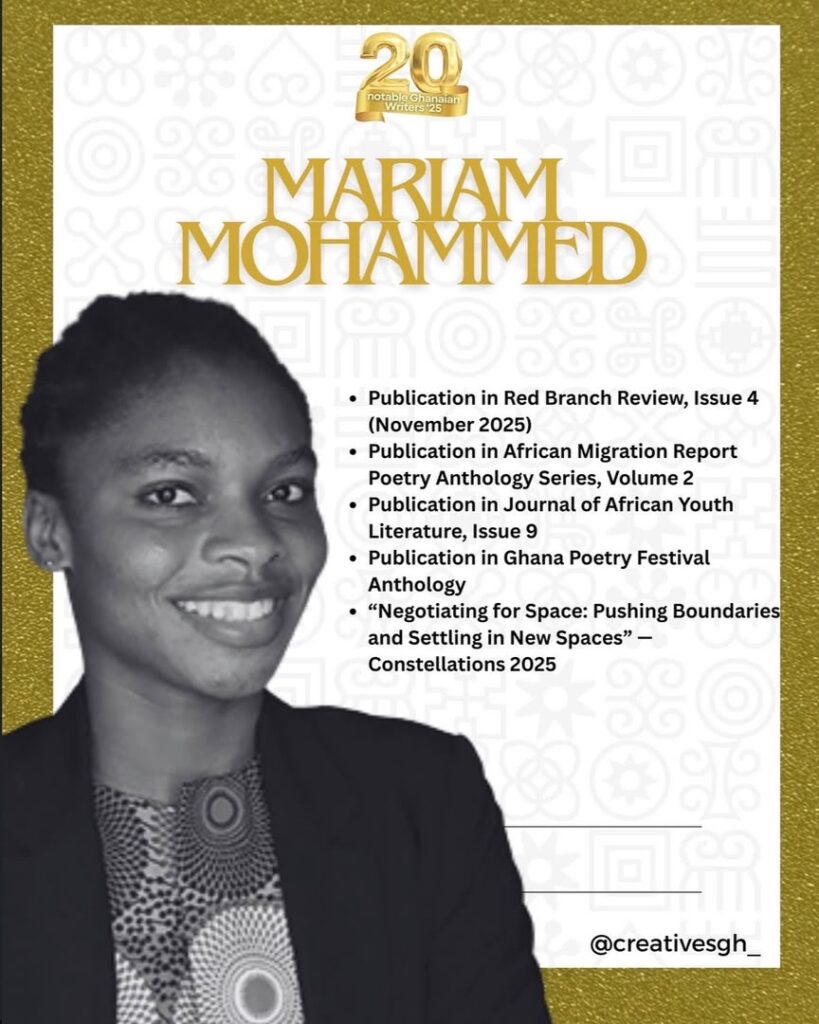
Her proudest moments as a writer were winning the 2026 JAY Lit Prize for Poetry and being named on the honoree list of Creatives Project Ghana (CPG) as one of the top 20 Writers of 2025. These didn’t just affirm her journey; she feels they also inspired others who saw themselves in her win. Her friends, family, and the Ghanaian literary community celebrated with her, and that collective joy meant everything. But another source of pride has been the moments when she is before an audience and reads her poems aloud. Being invited to open‑mic events and literary gatherings, sometimes by people who had only encountered her work, felt like a breakthrough of its own. There is something powerful about watching listeners react in real time, seeing the nods and hearing the applause.
Also, other moments that stay with her are when people reference her poems in their scholarly writing, and when she has been invited to serve as a reader or editor of literary journals. It feels amazing to be recognized and loved in that way.
Through her works, Mariam imagined a world where entrenched patriarchal systems could be dismantled, and women empowered to see themselves beyond the confines of patriarchy. Her creative practice now involves race, language, space, and the systems that shape how people move through the world. She wants her works to spark conversations that challenge these structures and encourage future creatives to imagine more liberatory ways of being.
As a creative writer who tries to maintain a regular creative routine, the hardest part for her is simply sitting down to write. She often convinced herself that she needed to complete everything else (reading, researching…) before she could begin “that” piece, which she came to recognize as another form of procrastination.
She is fortunate to have a strong community of writers and access to resources that support her creativity, but most of my time has been consumed by academic writing. Balancing both worlds remains a challenge she is still learning to navigate.
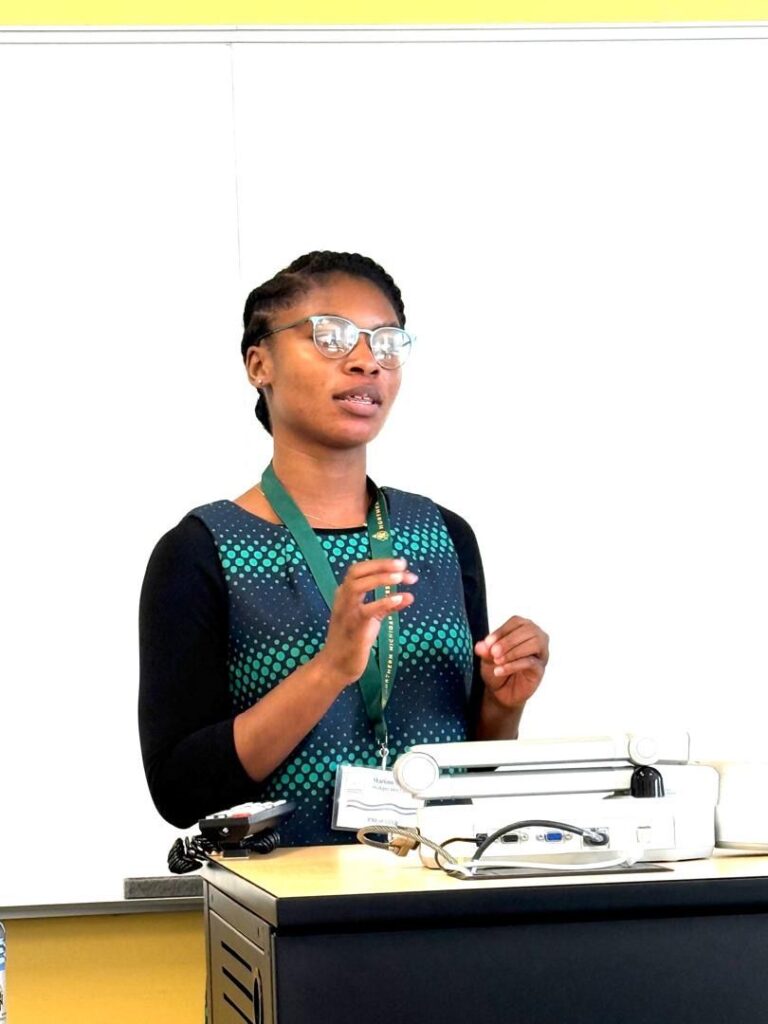
Absolutely, her growth has been shaped by a wide network of peers, mentors, and Ghanaian creative communities she follows online. Every time she reads works by an African writer or encounters news of the remarkable art being produced across the continent and diaspora, she’s reminded of the power of our stories and inspired by the ways we continue to create, imagine, and affirm our narratives.
Right now, she’s dreaming of writing a book, and hopes readers will dream along with her. She’s gathering courage, the stories, and the stillness needed to create something meaningful. She wants to write stories that make someone pause, read her bio, and whisper to themselves, “If she could do it, I can too.” That is the legacy she hopes to build.



Sarah Adeyemo
Sarah Adeyemo is a poet, writer, editor, and spoken word artiste from Nigeria. She is a fellow of the SprinNG Writing Fellowship. Sarah has work published or forthcoming work in ANMLY Lit, D’Iit Review, The Fiery Scribe Review, Con-Scio Magazine, Sevhage Review, Okiti Literary, Synchronized Chaos Magazine, Pepper Coast Magazine, The Weeds Review, Akpata Magazine, The Shallow Tales Review, The Muse Journal, The Weganda Review, Everscribe Magazine, Afrillhill Press, TV-63 Magazine, Poems for Persons Interest, Northern Writers Forum Journal, Eboquills, Rinna Lit. Anthologies, and elsewhere. Her works have been shortlisted for the 2025 Labari Prize for Poetry and longlisted for the 2025 Eriata Oribhabor Poetry Prize. She serves as the Managing Editor at Words-Empire Magazine, a Poetry Editor at Yarnz Magazine, PFPOI, and a News & Feature writer at the Journal of African Youth Literature (JAY Lit). She was a writing resident of the Rongo Artist Residency in 2026 and is currently a writing resident at the Ebedi International Writers Residency. She is a member of The Swan Collective. A dramatic poet who tweets @sarahinkspires.