


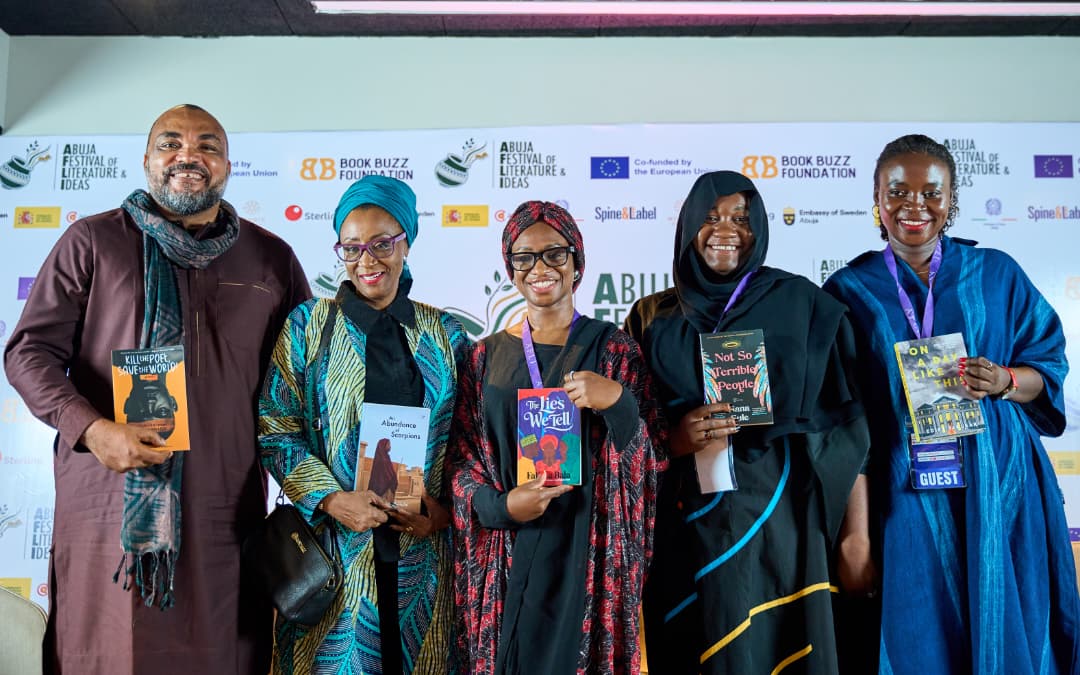
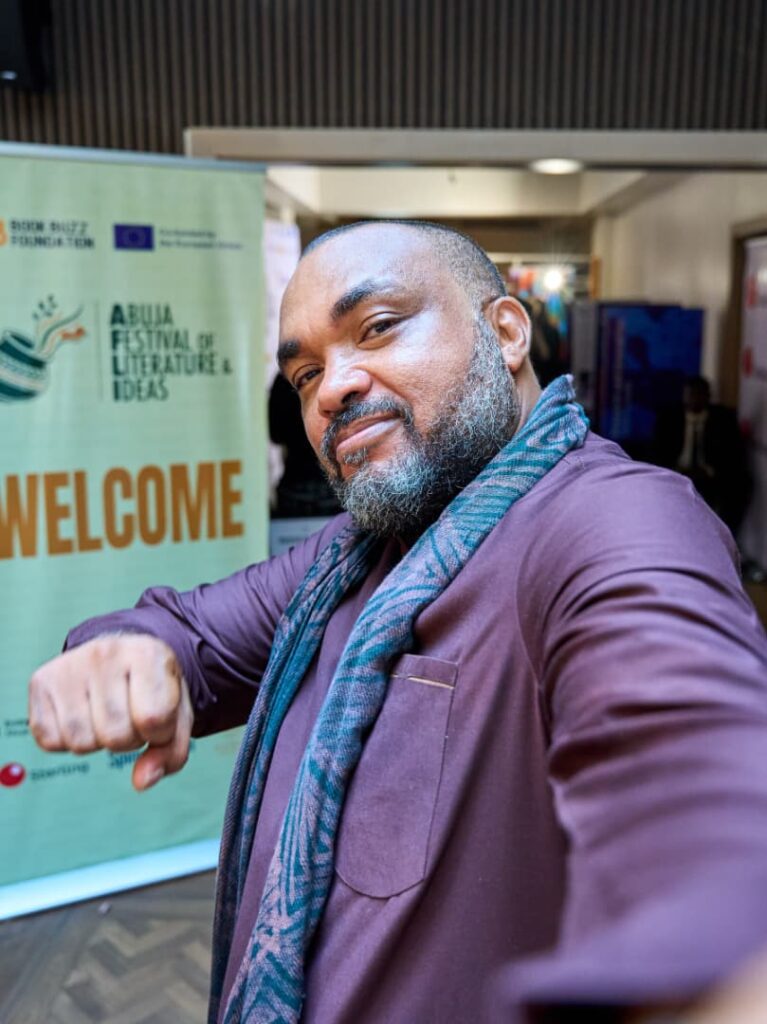
Abuja wears a different face for everyone. To the ordinary Nigerian, it’s a city of big men. To the politician, it’s a pot where the national food is prepared for them to feast upon. To struggling young people, it’s a place, just like Lagos, where the lottery of dreams is played, won or lost. To culture enthusiasts, it’s a city with no soul. To them, a city’s soul emerges from its stories, creativity, books, and the fearless exchange of ideas. Yet until now, the city has lacked a platform of international repute to showcase it. Lola Shoneyin sets out to quench these enthusiasts’ thirst by founding the Abuja Festival of Literature and Ideas (AFLI). “Abuja deserves a world-class festival because culture belongs at the centre of national life, not at its margins,” she says in her opening speech.
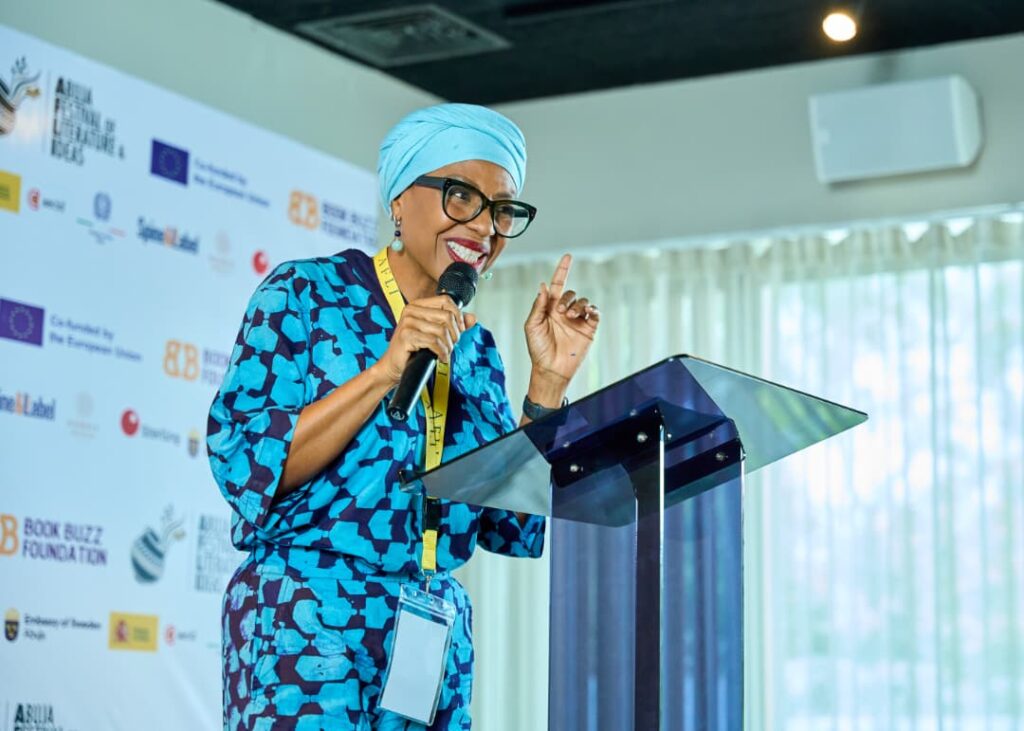
While this is true, Shoneyin might not have proposed this solution to the cultural gap in our national capital had the Kaduna Books and Arts Festival (KABAFEST) not been swallowed by irresponsible politics two years ago. Her choice of word — “restorative” — when the literary influencer Ike God asked her to describe the festival in one word in a viral Instagram video would confirm that AFLI’s birth was due to KABAFEST’s death. Now, Shoneyin is back in the North, 190 kilometers from Kaduna, and in style. While other cultural operators have attempted to give Abuja a befitting literary festival, such as the Abuja International Poetry Festival (AIPFEST) and the Abuja Literature and Arts Festival (ALITFEST), both have failed to create something as big as the just-concluded AFLI, and the cause can be directly traced to a lack of funding.
Consistent with Shoneyin’s trademark of women supporting women, she announces that the festival logo, a pot carrying plants and a book, is a libation poured to the legacy of the legendary potter and educator Ladi Kwali, a native of the Federal Capital Territory.
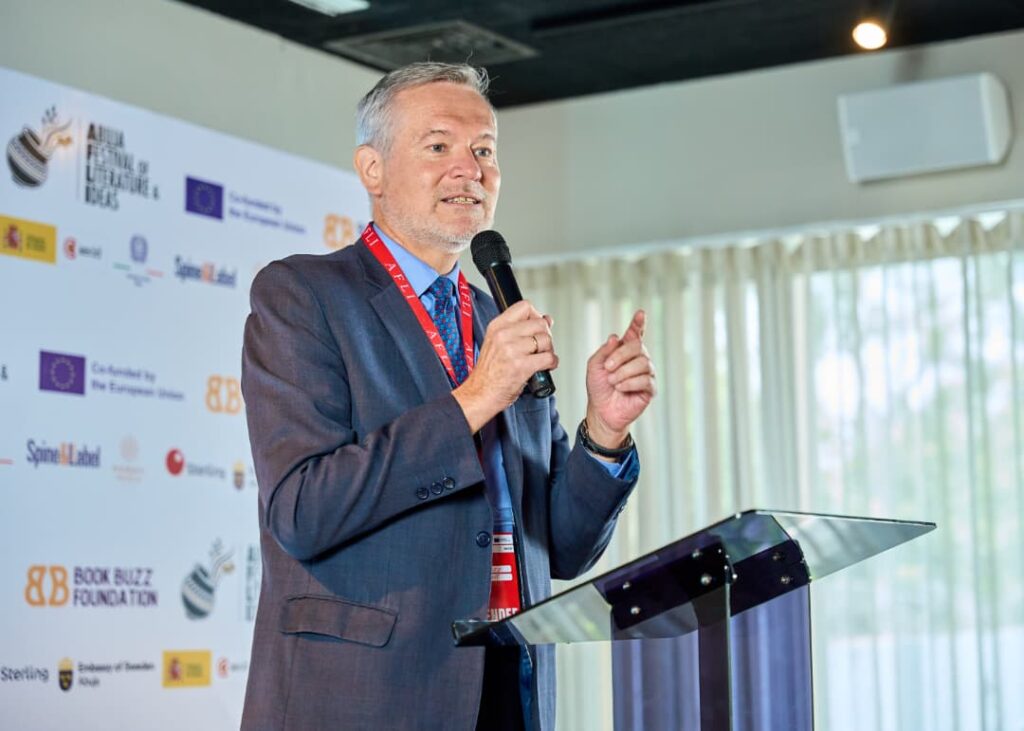
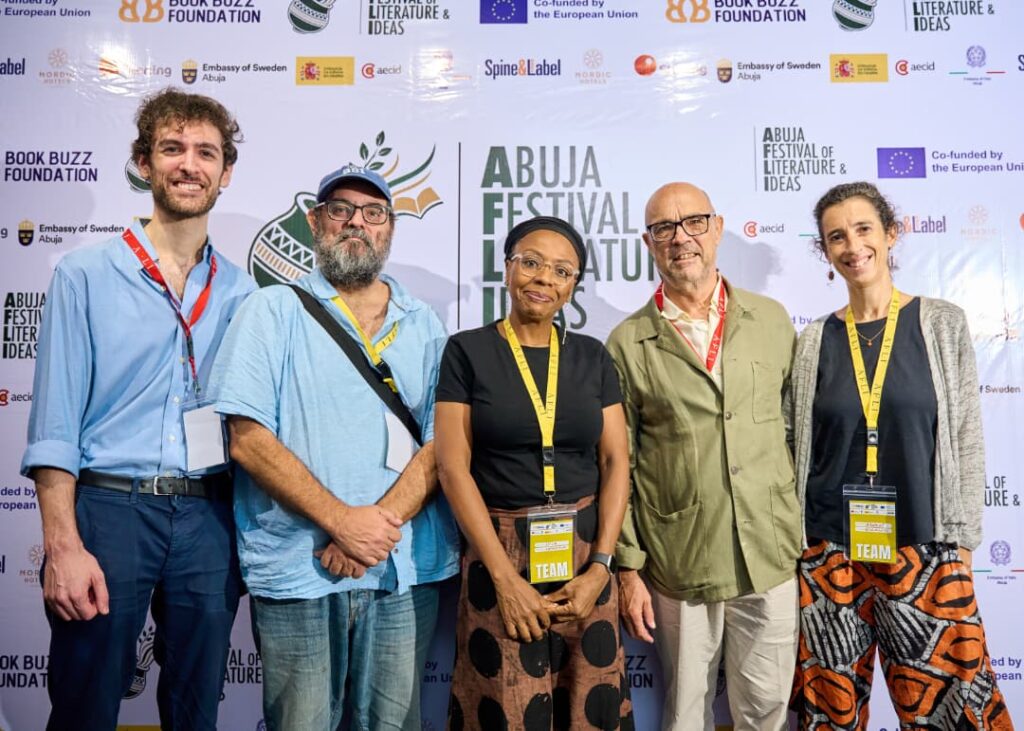
In a goodwill message, Ambassador Gautier Mignot, Head of the EU Delegation to Nigeria, cited the disparity in engagement with cultural activities between Lagos and other parts of Nigeria, particularly the North, as the motivation behind the EU’s decision to throw its weight behind Shoneyin to start a world-class literary festival in Abuja.
Deborah Johnson took the stage and performed a soulful dirge, decrying the disadvantage of being born a Nigerian, alluding to a popular joke that described the Nigerian child as someone scored 2–0 by life and the rest of the world. This child, she said, would have to climb just to reach the starting point where others have already begun running.
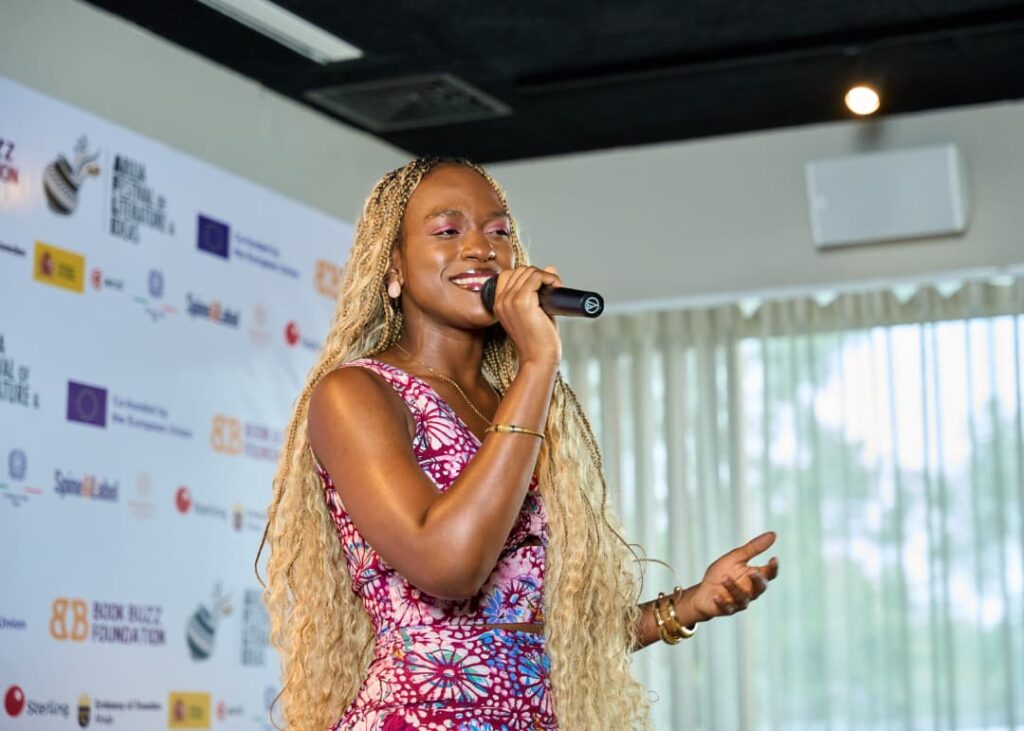
She said she was concerned that many people believe this joke and asked where the joke’s limits lie. Still, she is hopeful for a better future, as the country is populated by people who are used to bending without breaking. Her touching performance drew thunderous applause from the audience.
Swedish Ambassador to Nigeria, Anna Westerhonn, wearing an ankara that matches the festival’s logo colours of forest green and mustard yellow, joined the stage to deliver her goodwill message on behalf of the embassies of Spain, Italy and Sweden in Nigeria, and appreciated the festival’s name, saying that literature and ideas are one and inseparable.
Nkereuwem Albert read a passage from his longlisted novel for the CANEX Prize, The Bone River, before Jaqueline Ekpang, representing Sterling Bank, delivered the final goodwill message, in which she commented on the importance of stories and explained that even the figures they deal with on a daily basis in the bank are telling stories themselves.
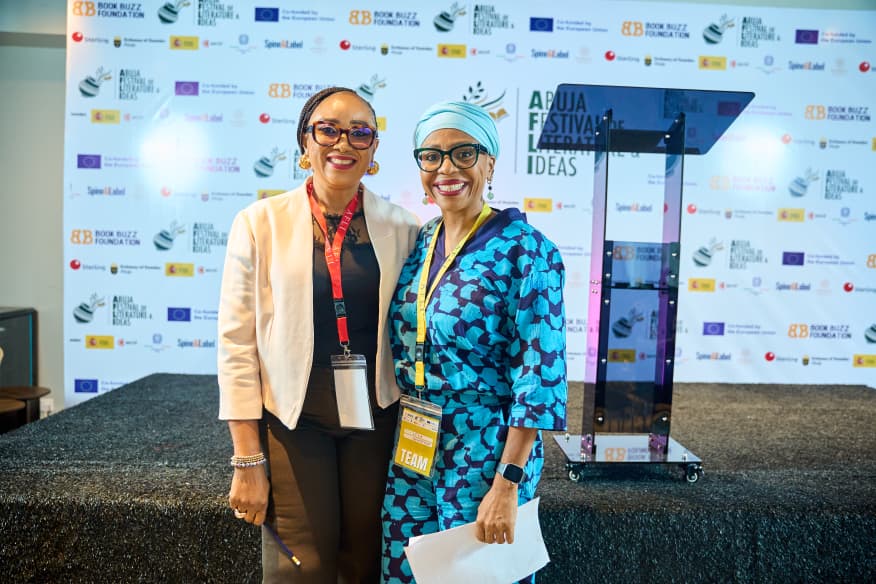
Ahead of Ayomide Oshunluyi’s vote of thanks, a goodwill message from Nigeria’s culture minister was scheduled on the programme of events, but like every other literary event — with the exception of the Katsina Books and Arts Festival in her home state — our culture minister had a reason yet again not to attend. To the attendees, there could be no better practical illustration of Deborah’s dirge, which describes our country as a joke without limit, than witnessing neither our culture minister nor her representative at the maiden edition of a world-class literary festival in our national capital. I have never seen someone who was at some point a lightweight public intellectual, who recently announced to the world her visual arts skills by painting our president being touched on the head by his late mother in a gesture of blessing, running away from the tables and stages where ideas are exchanged and challenged like Hannatu Musawa. Perhaps our Mama Minister is avoiding our intellectually engaging platforms because they are not suited to the showcase of her sartorial childishness, which culminated earlier this year at the Nwanyo Fishing Festival with her bizarre choice of jigi-bola.
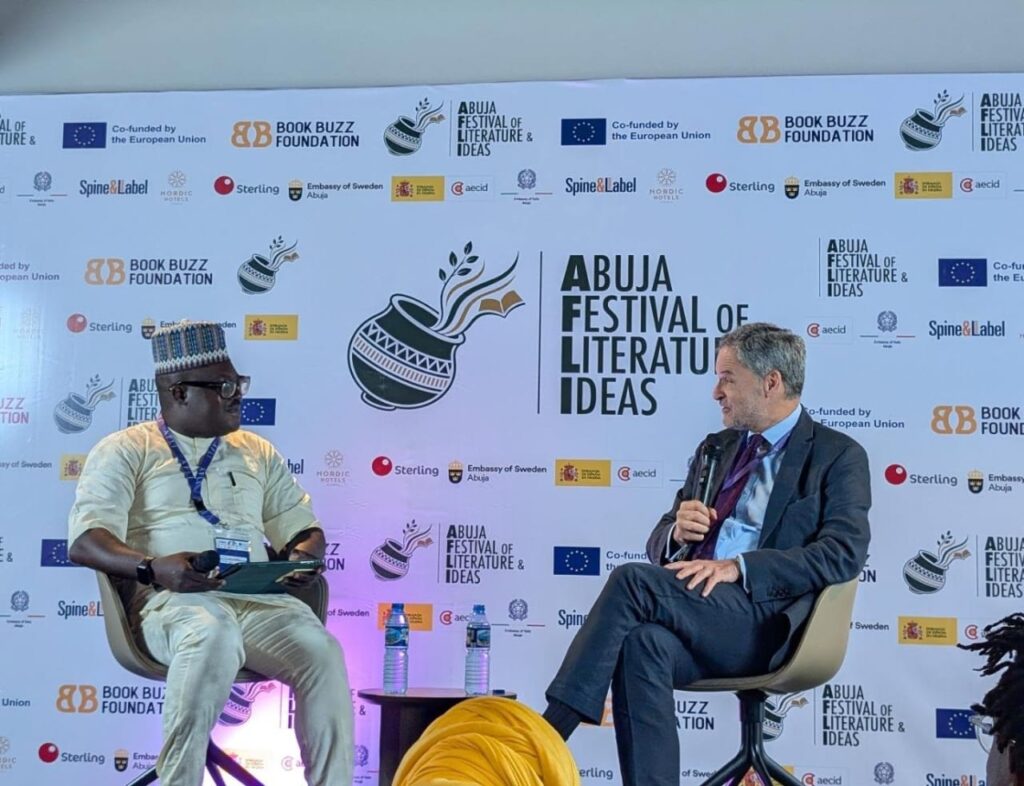
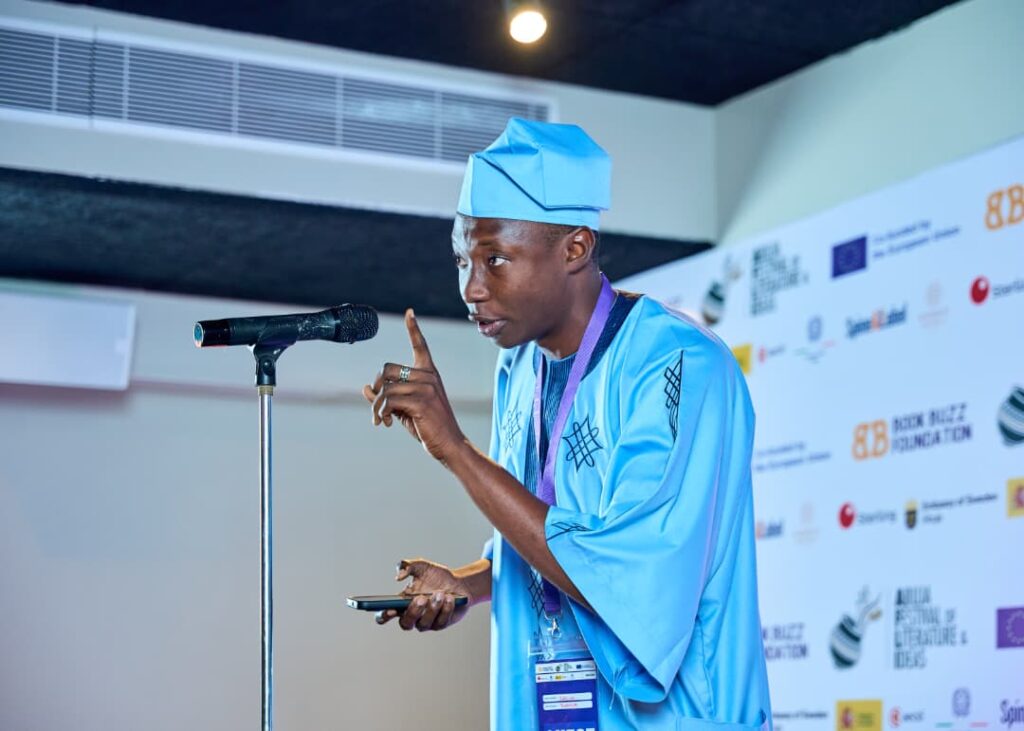
The festival opened properly with a discussion between Nigerian writer and public intellectual Richard Ali and Colombian public intellectual Sergio Jaramillo. From their outfits — Ali in a short-sleeved kaftan and zanna cap, Jaramillo in a suit and tie — the audience was reminded that this was a conversation across cultures, between Sub-Saharan Africa and the Caribbean. Ali first asked Jaramillo to react to his country’s collection of ready-made images for outsiders: of literature and the writer Gabriel García Márquez, of coffee, of drugs and past insurgency. Jaramillo responded by confirming those images and added that his country is a complex place with creative and enterprising people, similar to Nigeria.
The conversation veered towards Jaramillo’s role in brokering the peace deal a decade ago between FARC rebels and the Colombian government, and some of the lessons Nigeria could take from it. It attracted serious interest and engagement from the audience, who might not have thought AFLI panels could be that enormous. In the end, Jaramillo explained that peace with FARC was attained because the government appealed to them to put the Colombian people above their personal interests, and clearly pointed out that the government did not negotiate from a weaker position — that it initiated the peace talks after establishing military superiority over the rebels, which is very important in providing lasting solutions.
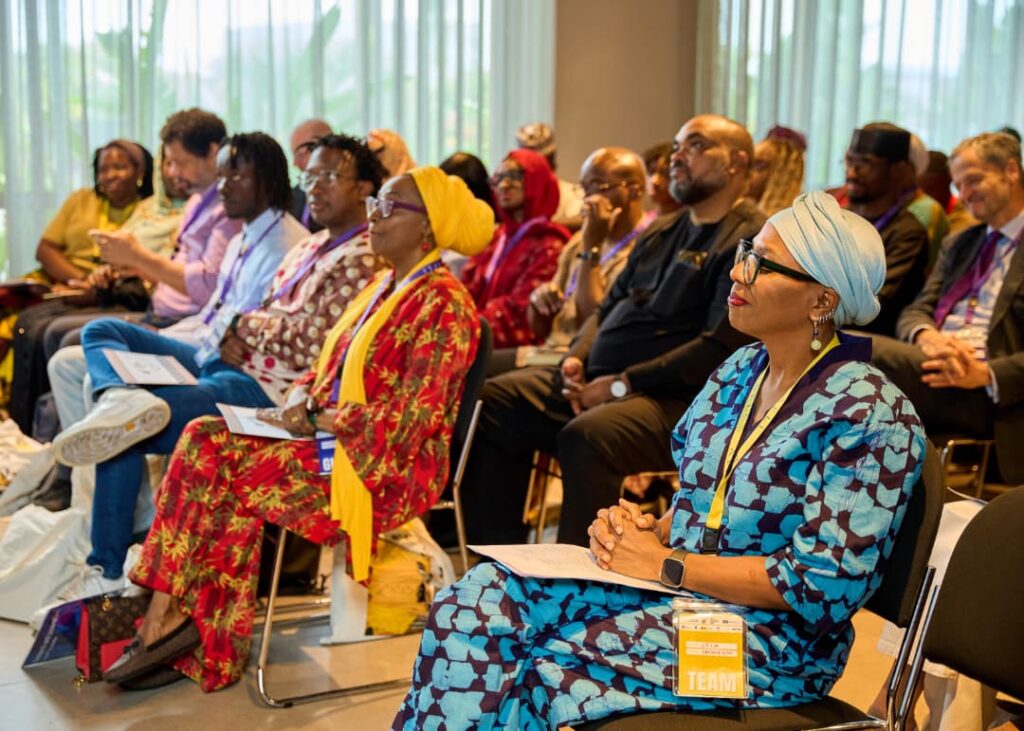
After the break, the audience was thrilled by what is arguably the festival’s most engaging session. It was an exciting clash between the eloquent Zimbabwean Oxford scholar and author Simukai Chigudu and the Nigerian lawyer and former BBC journalist Fatima Zahra Umar, who approached the chat about Chigudu’s coming-of-age memoir, Chasing Freedom, with the bravura and aura of an intellectual gangster. The energy in the room peaked when the host asked the author about his hip-hop influence and his love for his mother, a preacher’s daughter. After the chat, festival attendees treated Chigudu like a pop star or celebrity actor until the end of the festival.
If the encounter between Umar and Chigudu is the most engaging, then what follows is perhaps the festival’s most memorable session. Ismail Sanusi hosts Stephane Gruesso in a conversation about cultural creation, artificial intelligence, and the future. Sanusi asked Gruesso two questions and vacated the stage: What is AI? Is AI a net positive or net negative? Gruesso’s response isn’t absolute, but he thinks AI, which he constantly pronounces in Spanish with the sound “ai eh”, is a minus to all of us, but hopes it will be an addition to humanity if used responsibly.
Gruesso dramatises his presentation, thrilling the audience with laughter as he illustrates the magic of technology and the transition from Google to artificial intelligence, and how they shape our realities. He didn’t say it outright, but he seems pessimistic about the power these technologies hold over humankind.
The last panel of the first day carried so much hope and energy. Five youths — Khadija Yusrah Sanusi, Maryam Laushi, Raymond Yusuf, Usman Hayatu, and Nana Fatima Bello — were hosted by Lola Shoneyin in a panel setting that prepared the audience for an intergenerational conversation between mother and children, but what was discussed was what the future looks like for Northern Nigeria in light of its contemporary challenges.
Nana traces the root cause of out-of-school children in the North to the era of colonialism, when education and Christianity were almost inseparable, and to how the North received Western education with the suspicion that it was trying to change the region’s religion of Islam. She argues that this suspicion has not yet been overcome. Maryam, meanwhile, thinks the North is educationally backward because its leaders did not replicate Awolowo’s free and almost compulsory education for children in the Western Region. Usman thinks these challenges are in the past and views contemporary issues in Northern education as a lack of incentives and state funding. He cites graduates who struggle to put themselves through school and emerge into the humiliation of endless job hunting. This, in his own view, is a serious factor demoralising people from seeking education.
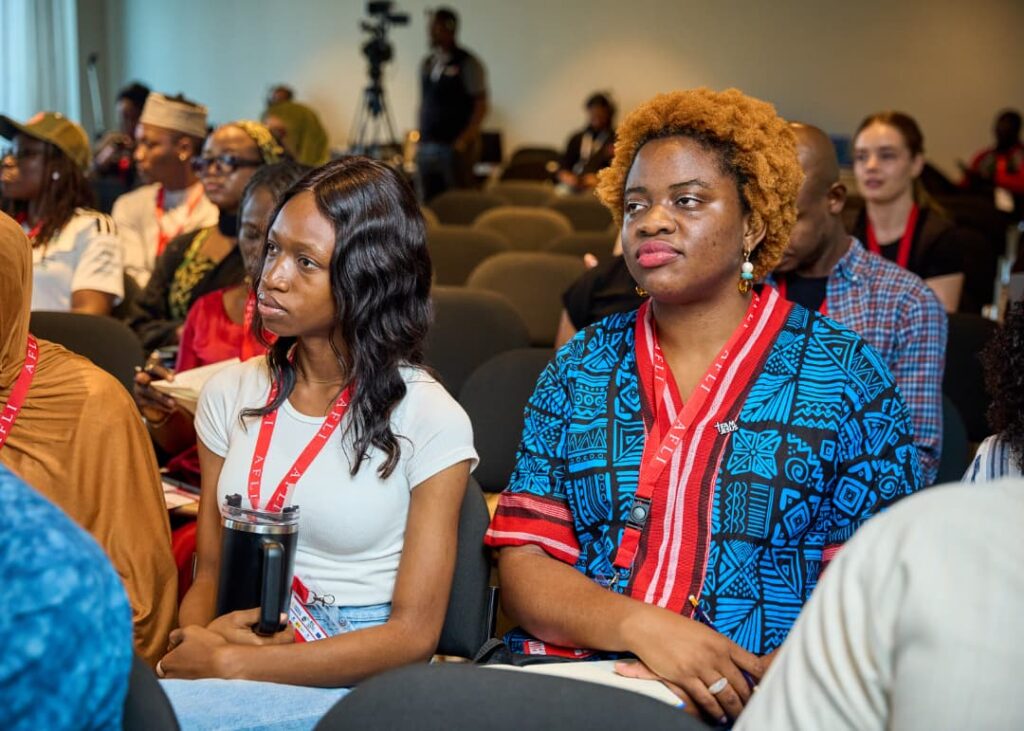
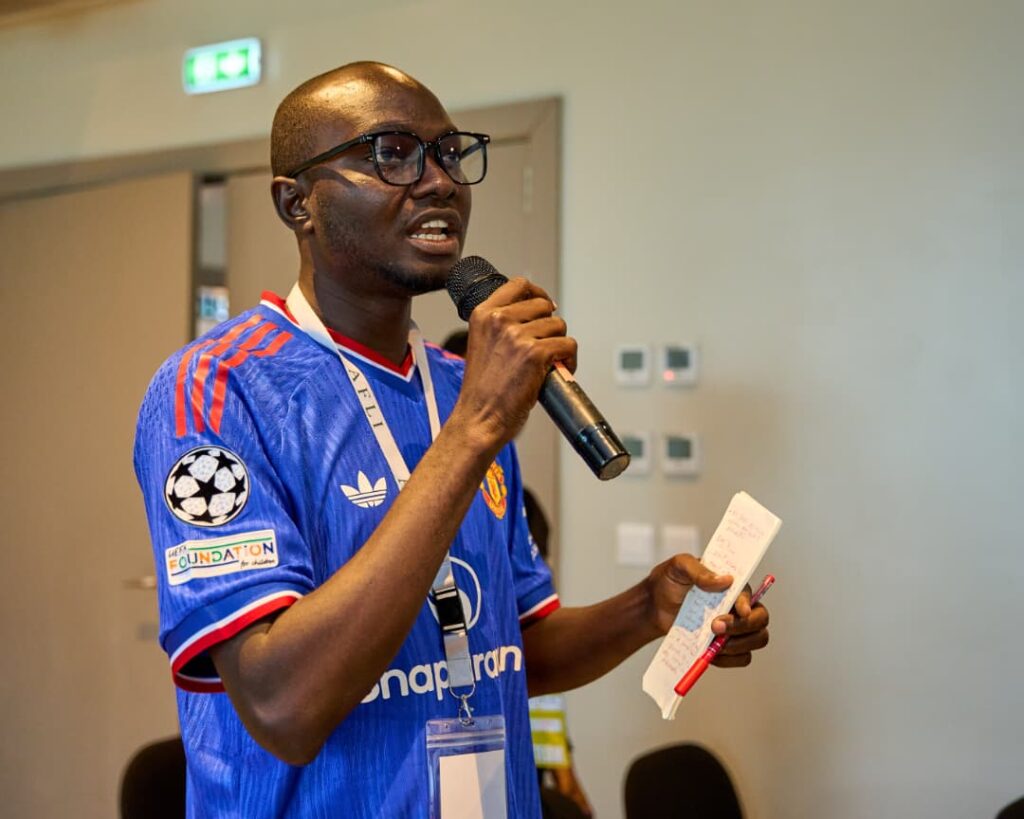
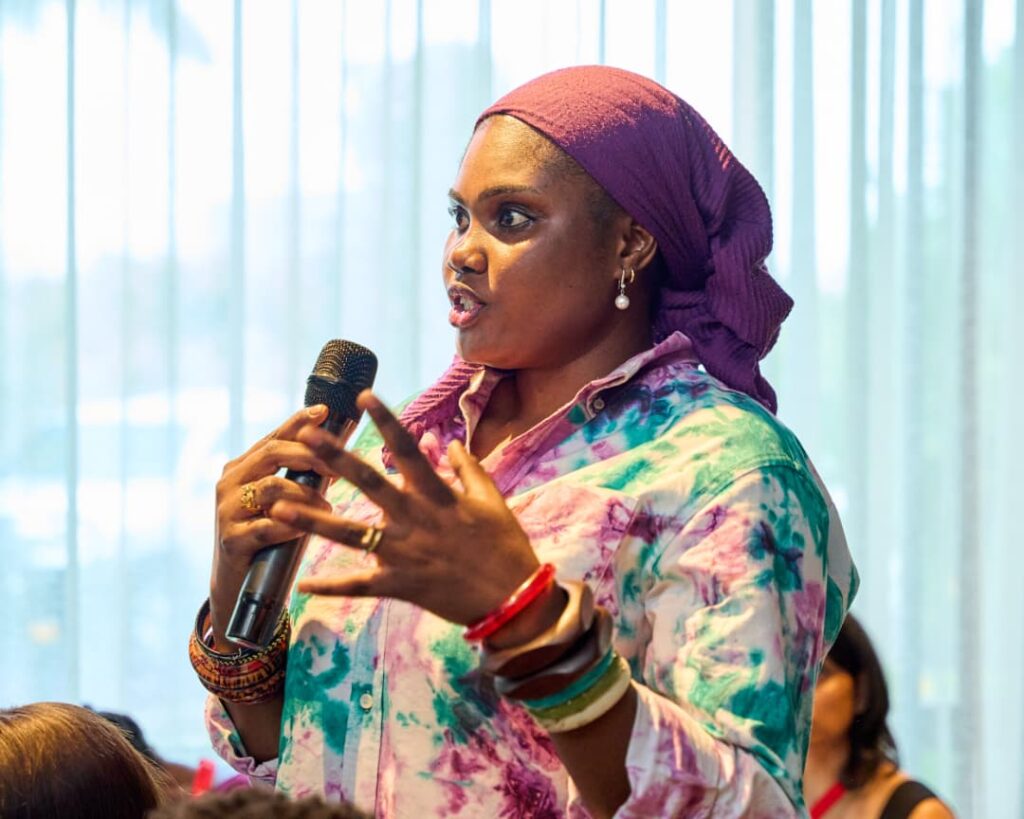
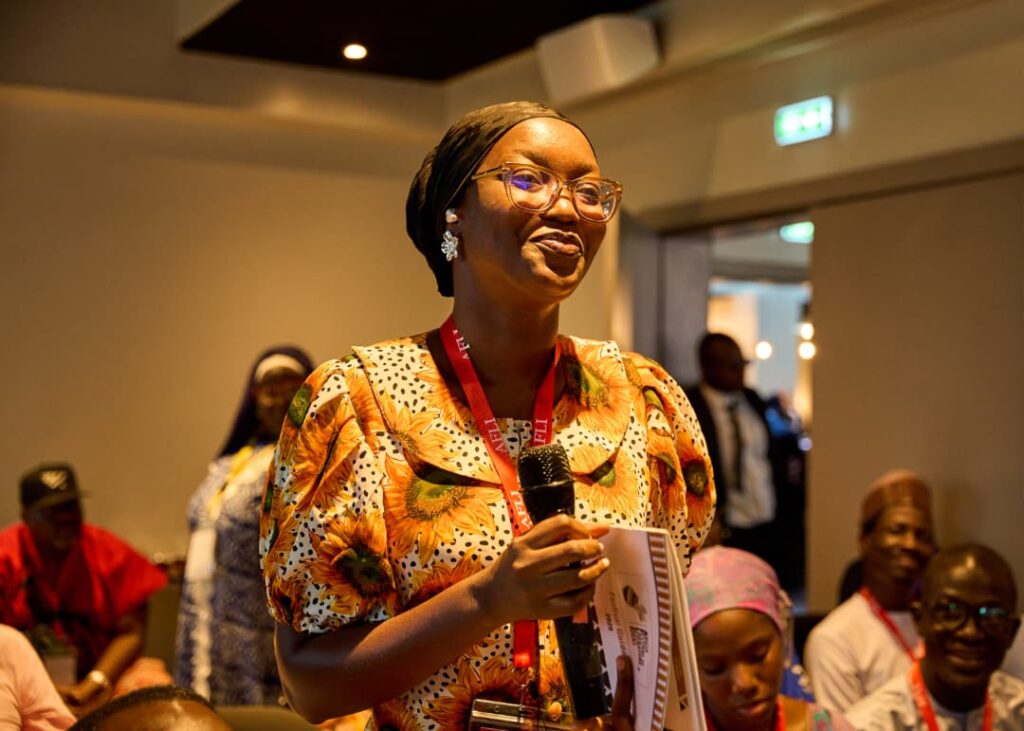
Shoneyin takes the conversation to drug abuse, where Nana erroneously blames it on the almajiri system, but her namesake, Nana Sule, quickly demands the microphone from the audience to correct her, mentioning research she co-conducted with the finding that married women abused drugs more than anyone else in Kano, which is the most populous city in the North. Also speaking to the audience, public health administrator Joseph Ike points to statistics that show southwestern Nigeria as the region with the most prevalent cases of drug abuse. He also differentiates between drug abuse and drug dependence as two separate concepts.
The conversation turns to the low expectations Northerners face from Southerners and the South’s general ignorance regarding the North. Khadijah recounted how, at the age of 14, her secondary school teacher ignorantly and stupidly asked her to tell her father to stop sponsoring Boko Haram. The insensitivity shocked the room, which seemed to be pretending not to know the extent of public imbecility in Nigeria. The panel closes with each panelist announcing the ideal future they wish for northern Nigeria, as the curtain falls on the first day.
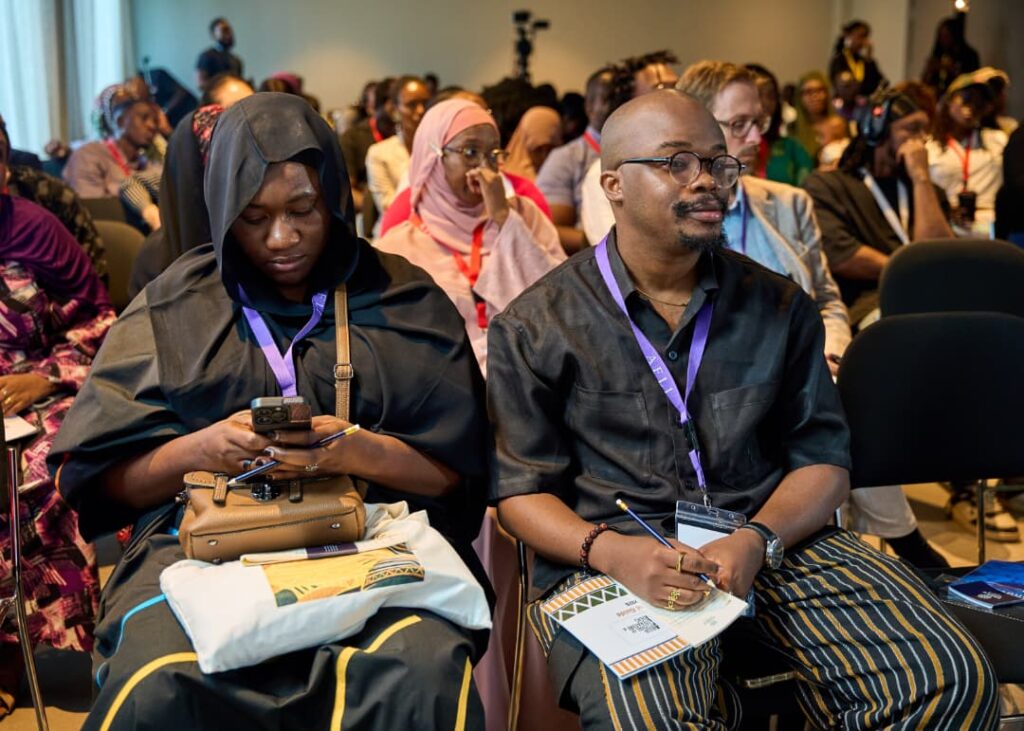
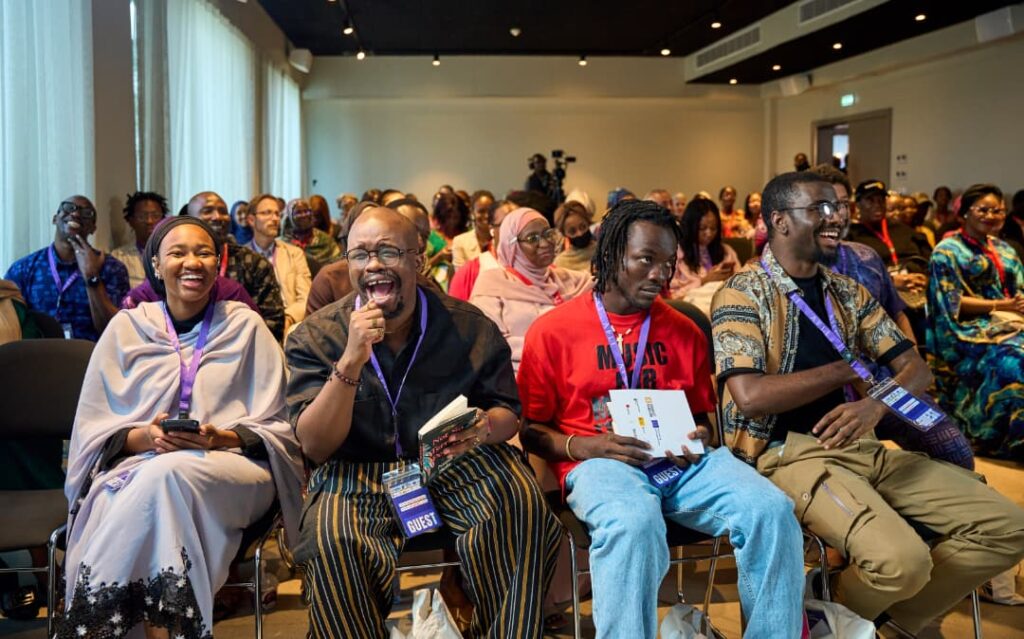
The second day opens with a book chat about Gloria Chinyere Okwu’s powerful memoir, On Close Examination, hosted by the novelist Nkereuwem Albert. As a cancer survivor, she reads from a passage recounting her terrible experience in a Nigerian hospital, pointing to a situation where there was no paracetamol in a national hospital emergency unit and how she was treated poorly by doctors and nurses. When Albert inquires whether she misses her father, she says no. Recounting his abusive relationship with her, how he beat her even as a mother and married her off at the age of 17, would end up turning the room’s atmosphere into a carnival of unrestrained emotions. Speaking from the audience and in tears, festival volunteer Testimony Odey also recounted how her late sick aunt was a serial victim of physical abuse by her husband despite having cancer. Those were difficult stories to tell, but the room was in a fearless mood.
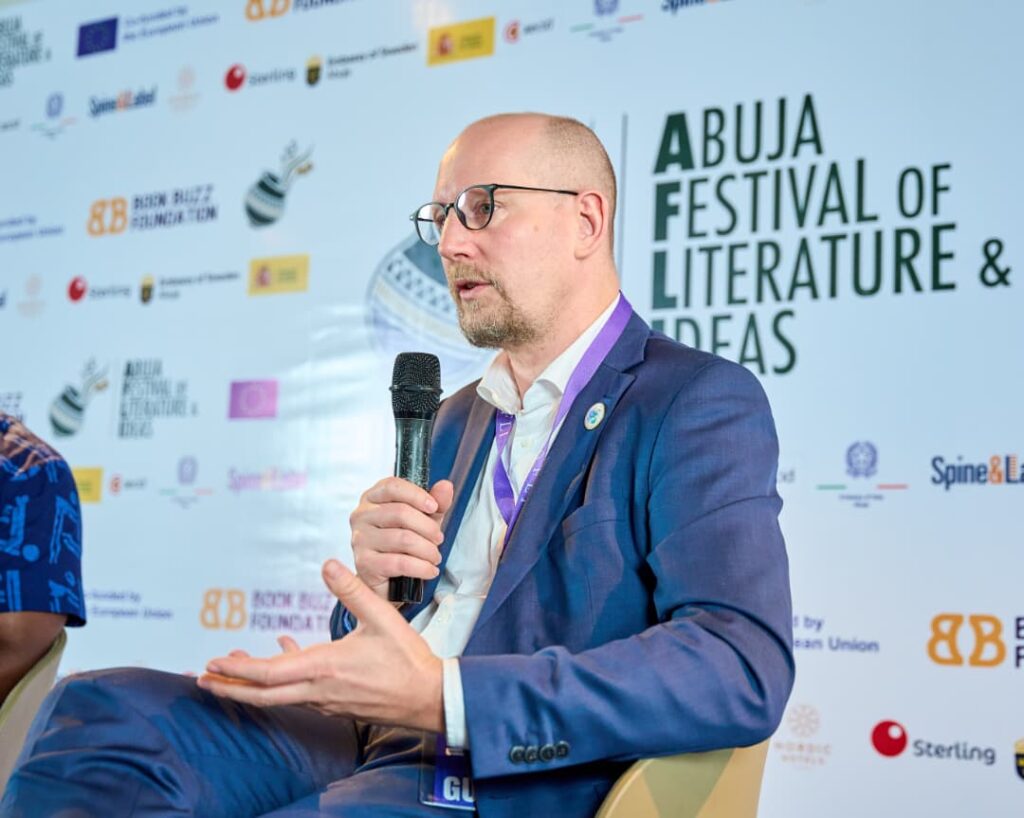
For the second event of the day, Joseph Ike hosted Swedish researcher and public speaker Carl Heath to discuss the internet and how it can be problematic. Heath outlined the spread of propaganda as one of the internet’s major problems. He particularly blamed China and Russia for using the internet toward these ends, but surprisingly failed to see how the West, where he comes from, cannot be absolved of similar blame.
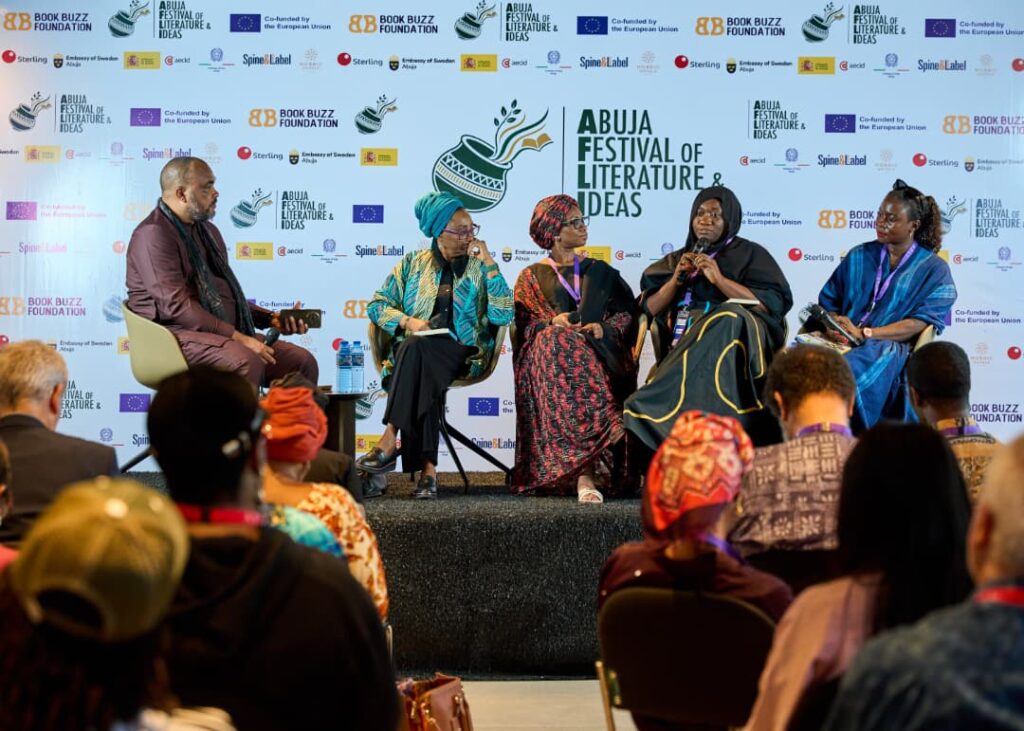
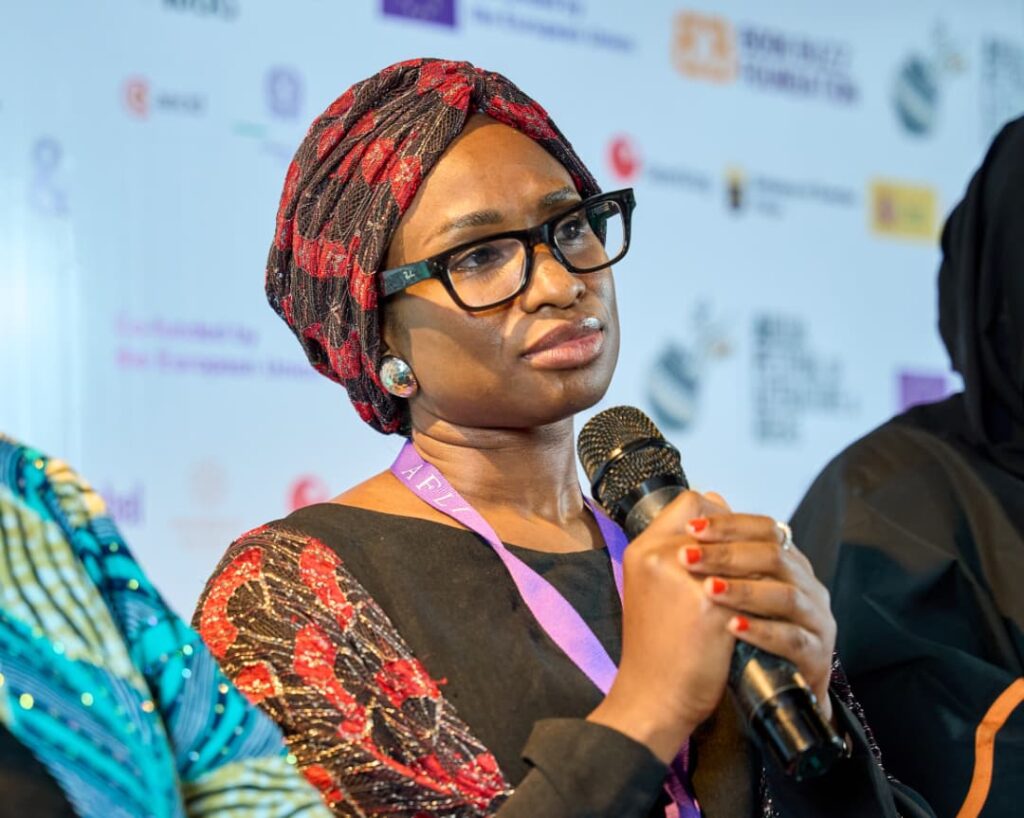
After the lunch break, multidisciplinary artist Abdulkareem Baba-Aminu hosted a panel of famous and acclaimed female writers from the North: Hadiza El-Rufai, Fatima Bala, Nana Sule, and Edify Yakusak, where the conversation focused on the right to write. The room listened with keen interest and actively participated in the discussion on how fear of reception and backlash from the knotty North influences these women’s writing, especially regarding the depiction of explicit scenes in their works.
If we had been sceptical about billing AFLI as a festival of literature and science rather than of the ideas in its title, the last book chat confirmed that scepticism (at least for this edition), as Olaokun Soyinka hosted Italian cosmologist and theoretical physics professor Roberto Trotta to discuss his popular science book, Starborn: How the Stars Made Us (and Who We Would Be Without Them), exploring the often overlooked ways the night sky has shaped humans, science, and culture.
The open mic was the festival’s final segment, hosted by Ayomide Oshunluyi, leaving attendees with a dazzling memory of their two days at AFLI. Poet Jochebed opened the stage with an energetic performance of a poem exploring migration and discrimination. Peter, a young man in a suit, thrilled the audience with a love poem, and yes, every audience loves a love poem.
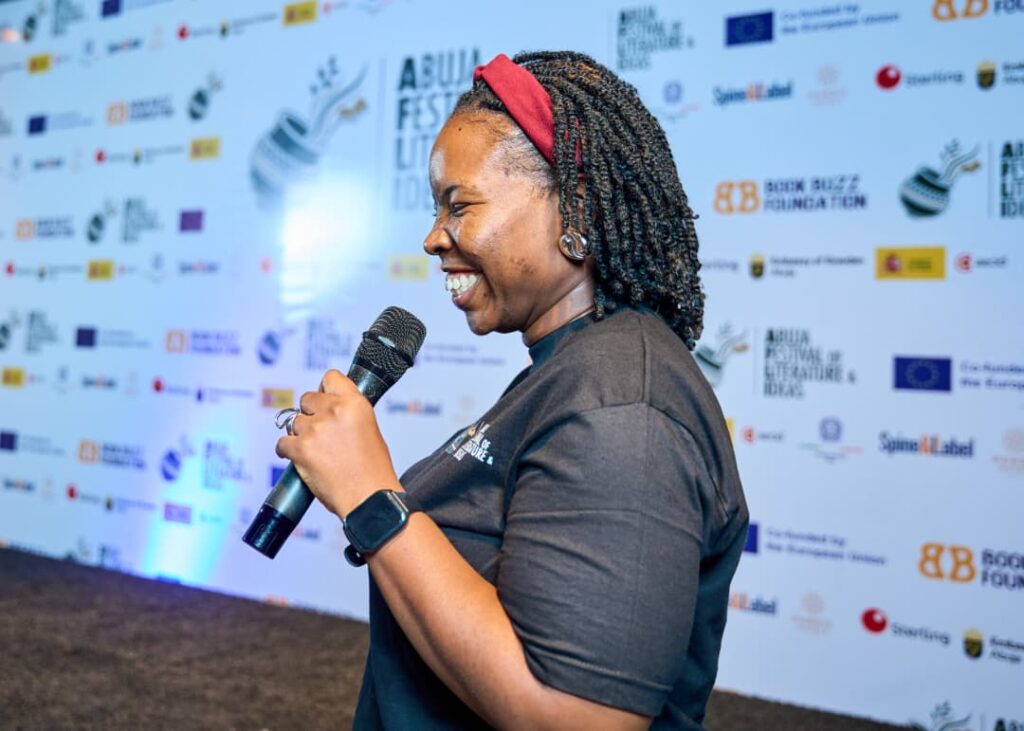
Hauwa Saleh, against strong opposition from the microphone, which interrupted her thrice, dazzled the audience with an experimental satirical poem exploring life and the hopelessness that “the best we can do is nothing.” The poet-soldier Umar Abubakar Sidi performed a radical poem from his avant-garde collection, The Poet of Dust. Maryam Abdullahi made her stage performance debut with a playful, deeply moving poem about womanhood and society, and another poem exploring a series of losses that stretched her faith in God without reaching an elastic limit. The poet Moyosola gave an energetic karaoke performance before Salim Yunusa performed a love poem in which he demands the extraordinary from love and rejects the notion of doing just fine with it, not in the Nigerian world where almost everything for the common man is on a level of “manage am like that,” with love, Salim demands the best.
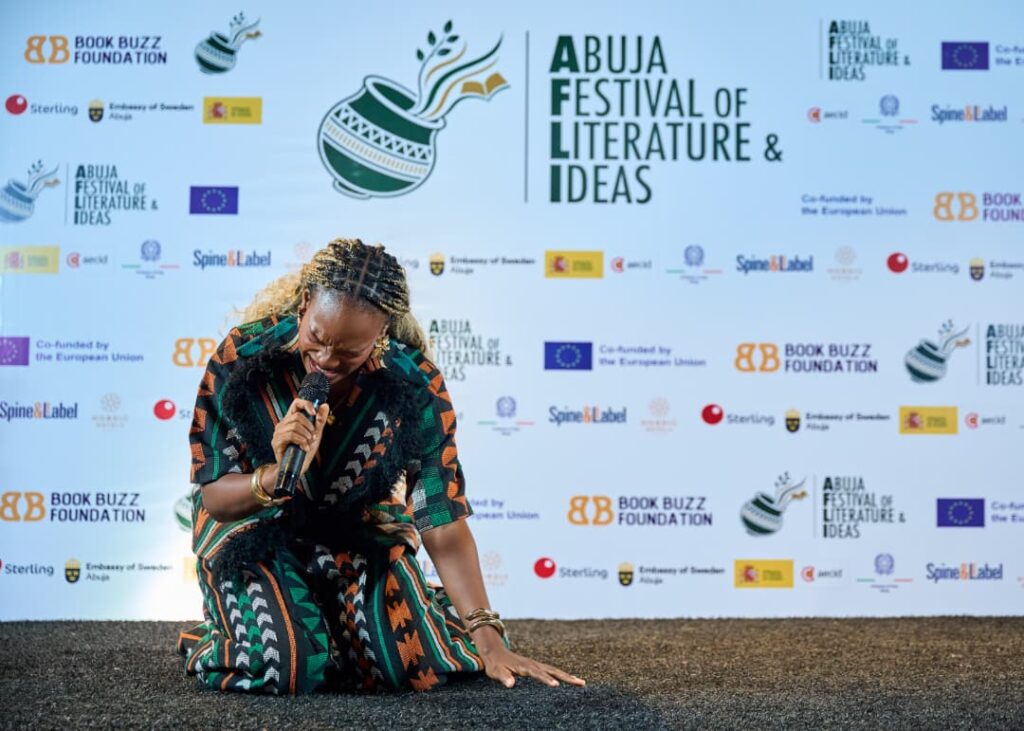
If Abuja was in search of a cultural soul, Deborah Johnson was on the stage, her voice carrying a harvest of souls to share among the attendees. She arrived with a slow and soul-piercing elegy, lamenting the stingy reward for the tedious labour of artistic creation in Nigeria. Her poem asked the unsettling question of how a starving artist is supposed to feed their audience’s soul, and recounted her conversation with a fellow poet, Abdulrazaq (Salihu), on how most of the people who inspired their generation into the craft have left in search of greener pastures. But Deborah is resilient and confident in her desire to create, saying nothing will ever replace it. She elevated the poet as God’s vicegerent on earth and reaffirmed the sanctity of poetry with the declaration, “This is a holy work.”
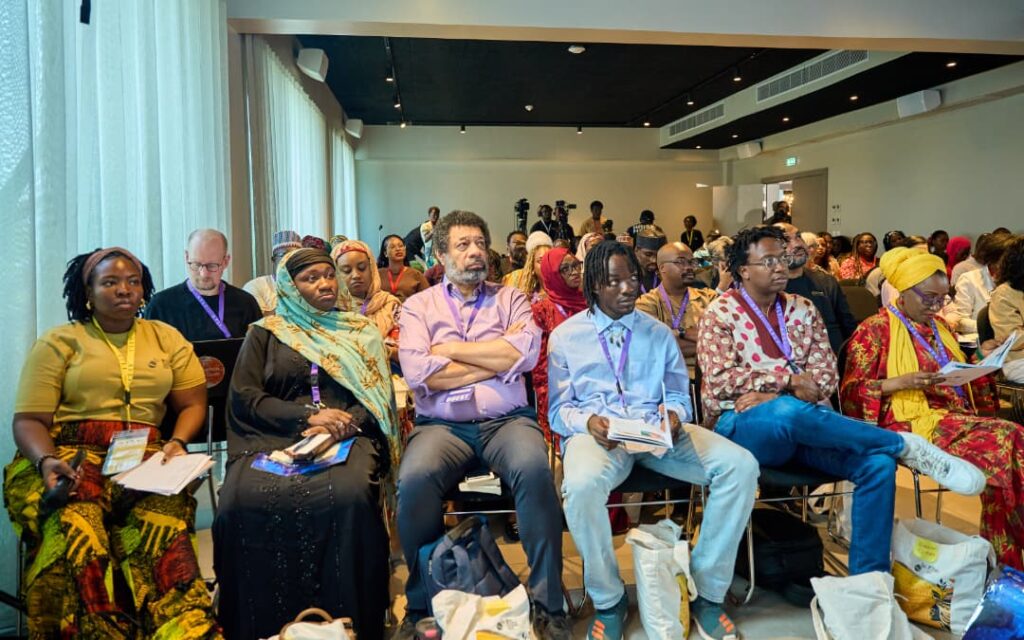
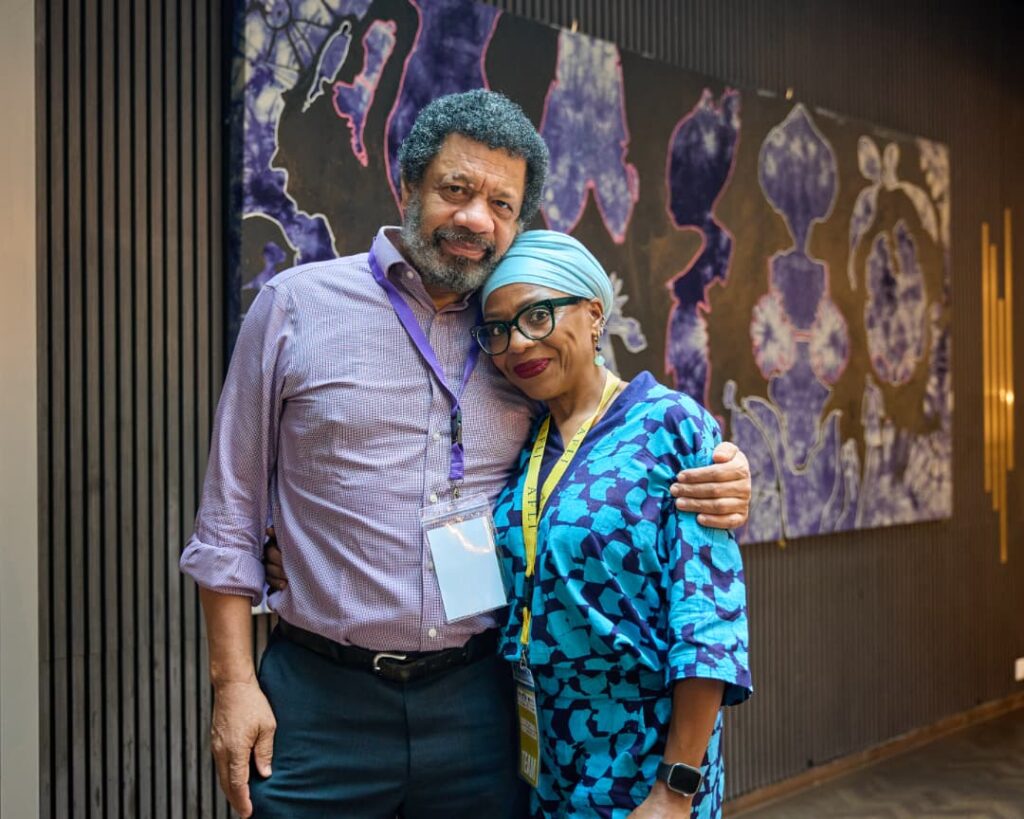
All good things must come to an end, and so it was with the maiden edition of AFLI, concluding with Deborah’s performance. Nevertheless, attendees left in high spirits, relishing the fact that Abuja now has a befitting literary shrine where faithfuls will gather every year to pay homage to African literature and ideas.

Ahmad Mubarak Tanimu
Ahmad Mubarak Tanimu is a freelance book reviewer and fiction writer based in Kano. In June 2024 he was selected for the Flame Tree Project that aimed at bringing new voices in Northern Nigerian literature, facilitated by two past winners of the NLNG Nigeria Prize for Literature, Abubakar Adam Ibrahim and Chika Unigwe. He was a finalist in the book review contest of the festival books of the 26th edition of Lagos Books and Arts Festival (LABAF)


