


![You are currently viewing [Featured Post] Bookish Alchemy: Building a Literary Renaissance from the Margins of Zaria](https://jaylit.com/wp-content/uploads/2026/01/IMG-20251124-WA0023.jpg)
Maryam Shehu Reflects on building Bookish Alchemy, Zaria’s foremost literary movement
In a city where creative spaces often depend on institutional permission, and where young dreamers are frequently advised to wait their turn, Bookish Alchemy has emerged as one of Northern Nigeria’s quietest but most determined revolutions. Its story is not one of sudden applause or abundant funding. It is a story of persistence, self-belief, and an unrelenting commitment to culture. What exists today did not begin from comfort. It began from a very human need, the need for a place where young people could read, write, imagine, and be taken seriously.
The origins of Bookish Alchemy were humble, almost fragile. In 2022, before it had a name or structure, it existed simply as Pen Warriors, a movement born out of absence. There were no active intellectual circles to join, no literary cafés, no accessible creative platforms for writers or curious young minds in Zaria. What existed instead was restlessness, and a conviction that the silence surrounding young creative voices was neither natural nor acceptable.
Armed with little more than belief, as the founder, I marked my 18th birthday by organizing a poetry competition with a ten thousand Naira (₦10,000) prize. The amount was modest, but the statement was radical: even without resources, it was still possible to create a doorway for expression. That single act planted the seed of what would later become Bookish Alchemy.
By 2023, the organization formally registered not because financial stability had arrived, but because the work demanded structure. Very early, the organization learned a difficult lesson: if support was not forthcoming, sustainability would have to be self-built. Bookselling, initially conceived as a supplementary activity, became the organisation’s financial backbone. Every program, outreach, festival, and fellowship has since been funded by approximately 5% profit from each book sold. It was not glamorous. It was deliberate. It was survival as strategy.
The journey has not been without resistance. In its early years, Bookish Alchemy reached out to stakeholders who dismissed literary advocacy as peripheral or impractical. One bluntly stated that supporting literary work could not meaningfully strengthen any ecosystem. Another, a senior public official, initially expressed interest through an aide, requested proposals, and was invited to chair Bookcentric 2.0. Yet upon realising that the gathering was modest and intimate rather than grand, he quietly withdrew, sending a representative instead and remarking later that support might come “when you people grow bigger.” Such moments were sobering but instructive. Bookish Alchemy learned that vision often walks alone before it is recognised.
Between 2023 and 2025, the organisation deepened its roots and expanded its scope. It evolved into a Limited Company with publishing ambitions, a media and cultural documentation platform, a book-to-film adaptation desk, and a Creative & Journalistic Writing Academy. Yet even as it grew, it remained anchored to community the same community that embraced it when it was nothing more than a poetry competition and a dream.
From 2022 to 2025, Bookish Alchemy has impacted approximately 5,000 lives, directly and indirectly, through school literary clubs, fellowships, festivals, masterclasses, competitions, reading programs, and public cultural events.
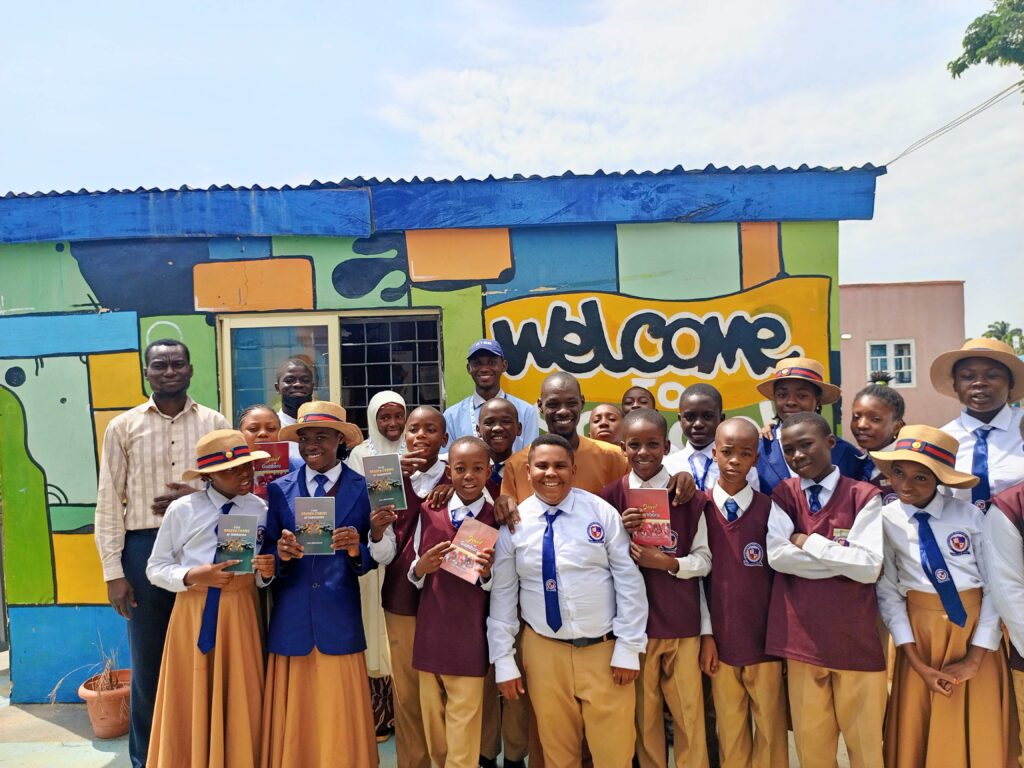
Structured literary clubs now exist in over 10 secondary schools, where students once disengaged from reading now write stories with confidence. Through consistent mentorship, more than 2,500 students have experienced literature not as a classroom obligation but as a means of self-discovery and expression.
A cornerstone of this movement is the Bookish Alchemy Creative & Journalistic Writing Fellowship (BACJWF). What began as a small training experiment has grown into a six-week hybrid fellowship equipping young writers with skills in storytelling, investigative journalism, digital literacy, and ethical media practice.
One of the fellows, Mubarak Abubakar Namada (BACJWF 2025), traces his journey back years before the fellowship:
“In 2020, a friend once spoke to me about building myself through learning as many skills as possible. I mentioned my interest in journalism, purely for exposure. Fast forward to 2025, the Bookish Alchemy Fellowship exposed me not only to journalistic writing but also to creative and personal writing. We learned investigative journalism, grassroots reporting, digital identity, and storytelling. The facilitators were experts who shared their lived experiences. The Fellowship was a game-changer for people like me who are curious to learn.”
Another fellow, Hauwa’u Bala Marafa, described the Fellowship as transformative:
“From the knowledge I acquired, I have built stronger confidence. I can now detect fake news from real ones, understand digital identity, and I’m currently building mine to push for the change I desire through a digital presence.”
The Fellowship’s expansion to Kano in the same year, 2025 further deepened its reach. Sulaiman Hamisu, a Cohort II fellow, reflected on the experience:
“The fellowship reshaped the way I think about storytelling and journalism. We learned that everyday experiences can become powerful narratives. For the first time, I truly understood how journalism blends curiosity with responsibility. Learning AI in journalism, photography, and personal branding opened my eyes to the future of media. The Fellowship was more than a workshop, it was a creative awakening.”
Beyond training programs, Bookish Alchemy has revived Zaria’s cultural pulse through festivals such as Bookcentric and the maiden Zazzau Books & Arts Festival (ZABAFEST). Curated in April 2025, ZABAFEST drew hundreds of attendees, marking one of the city’s most significant cultural gatherings in recent years.
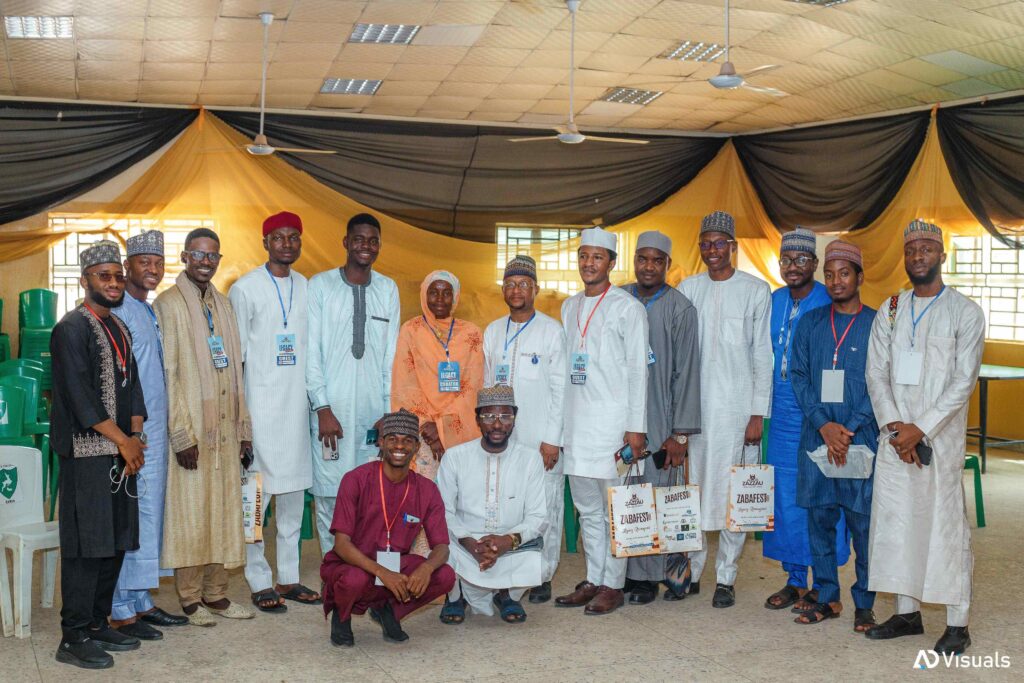
The festival’s impact earned formal recognition. In an endorsement addressed to the founder, Dr. Bukar Usman, OON, former Permanent Secretary in the Presidency and current President of the Dr. Bukar Usman Foundation and the Nigerian Folklore Society, wrote:
“The transparency in reporting is quite commendable. Warm and hearty congratulations for the successful hosting of the event. May Bookish Alchemy prosper to the benefit of the Founder and the realization of objectives that promote the literary progress of humanity in general.”
Bookish Alchemy has also partnered with institutions such as the Afris Tech, Poetic Wednesdays Initiative, Ibrahim Dabo ICT, Gidan Dabino Publishers, Duniate Culture Organization, Centre for Information and Technology Development (CITAD), alongside secondary schools and other cultural stakeholders. In 2025, its work attracted recognition from international literary and cultural organisations, affirming that grassroots initiatives can command global attention.
Yet its most enduring impact lies beyond numbers and endorsements. It lives in the quiet confidence of young readers, the boldness of first-time performers, and the growth of volunteers into leaders. For many young people in Zaria, Bookish Alchemy is the first space where their voice mattered.
Looking to 2026, the organisation plans to launch Bookish Alchemy Nexus, integrating technology, climate awareness, arts and paintings, calligraphy, artificial intelligence, and creative writing. The Renaissance Tour will take programs to marginalised communities, while initiatives such as Waste-to-Wealth & Arts, a Creative Bootcamp, Intellectual Mindset Transformation Discourse Circle, Documentation and Archiving and ZABAFEST 2.0 themed “Reclaiming the Future”, will expand its cultural reach, including children on stage as early custodians of storytelling.
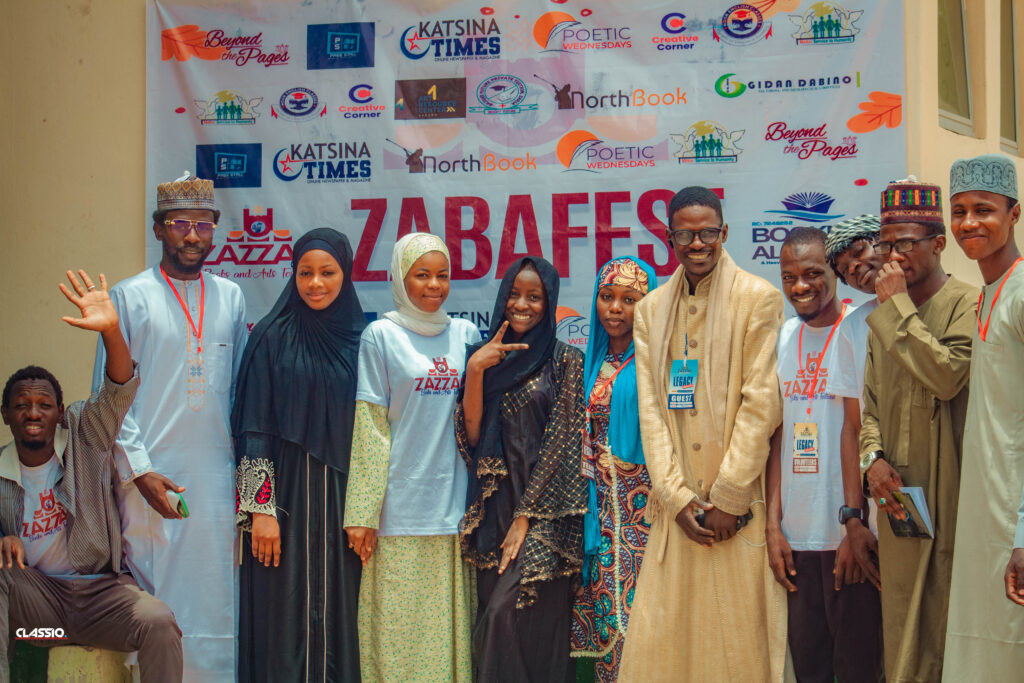
Bookish Alchemy is no longer just an organisation. It is a cultural heartbeat, a reclamation of intellectual heritage and proof that meaningful movements can rise from the margins. From a ten thousand Naira ₦10,000 poetry competition to a multi-layered institution impacting thousands, its journey shows what happens when vision refuses to die.
If the story so far is any indication, Bookish Alchemy is still only at the beginning.
For inquiries, or collaborations: bookishalchemyinfo@gmail.com
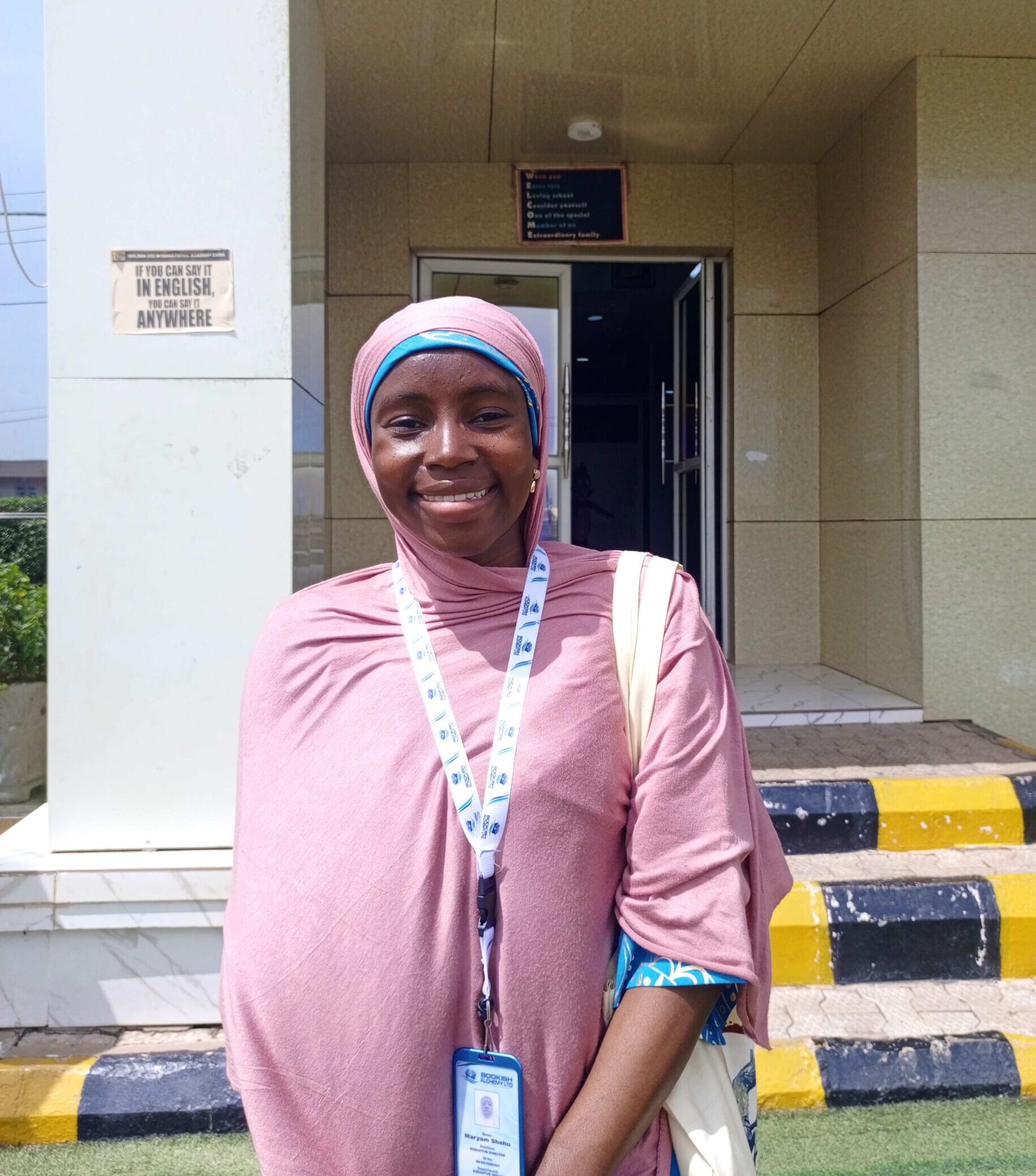
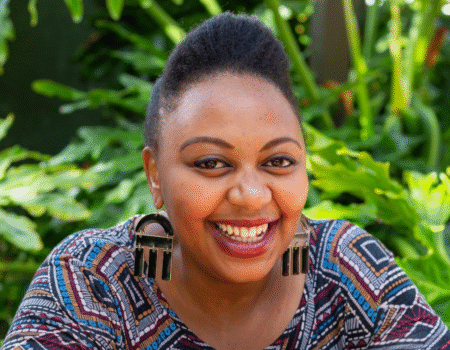
Maryam Shehu
Maryam Shehu is a literary advocate, freelance journalist, book reviewer, and law student based in Zaria, Nigeria. She holds a diploma in Shari’a and Civil Law from the Centre for Islamic Legal Studies, Ahmadu Bello University, Zaria, and is currently pursuing her undergraduate degree in Shari'a Law in the same institution. Her works appeared in World Voices Magazine, The Daily Reality, The Moveee, North Journal Magazine, and other platforms. She was an intern with The Moveee Internship Programme in 2022 and has contributed to literary discourse as a panelist at the Reanimate Kaduna Monthly Discourse and as a guest speaker at Tertiary Institution Submit 2.0 by the IDEA Foundation. She is the founder of Bookish Alchemy, a registered youth-led literary and creative organization committed to promoting reading culture, storytelling, documentation, and creative education across Northern Nigeria. Since 2022, Bookish Alchemy has impacted over 5,000 youths and students through literary clubs, writing fellowships, festivals, mentorship programs, and cultural documentation initiatives, including BOOKCENTRIC and the Zazzau Books & Arts Festival (ZABAFEST).
![[Featured Post] KAPFEST 2.0: The Three Days of Cultural Immersion in Kano](https://jaylit.com/wp-content/uploads/2025/10/IMG-20250906-WA0024-e1759510912992-450x350.webp)