Becoming starts with a step, acceptance, and the courage to be more. It is against this backdrop that the Abuja Festival of Literature and Ideas took shape, bringing together writers, poets, thinkers and creatives from different backgrounds and countries to engage in conversations about literature, peace, identity and the human experience.
From exploring how divided societies can learn to speak again to examining grief, identity and the courage to tell difficult stories, the festival created room for ideas to flourish and perspectives to be challenged.
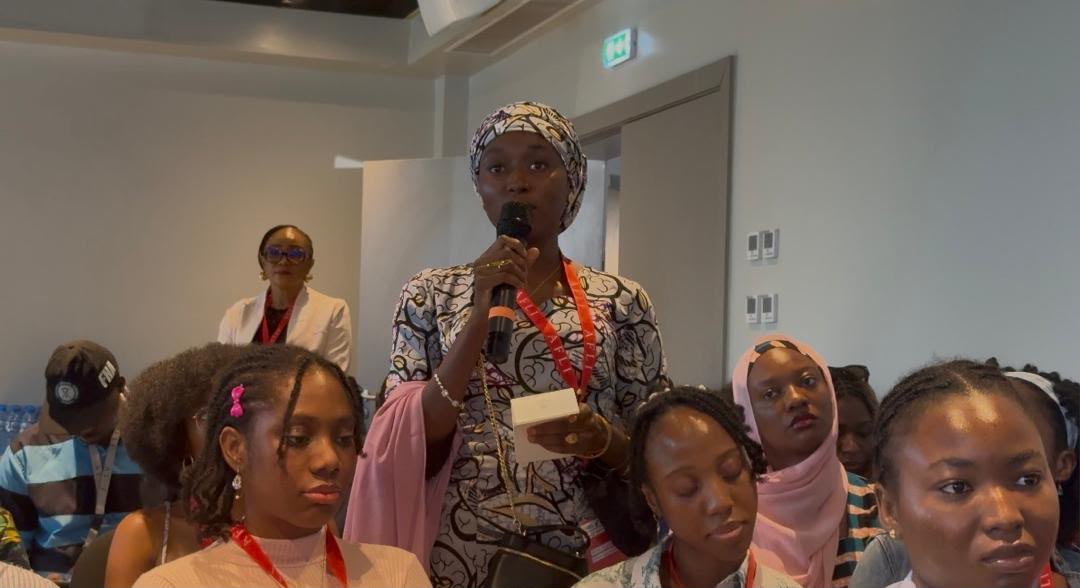
The inaugural edition, held on October 9 and 10 at the Nordic Hotel in Abuja, brought together participants to explore how literature can deepen our understanding of the world, challenge injustice and oppression, and offer new ways of looking at familiar problems. Organised by the Book Buzz Foundation, founded by Lola Shoneyin, the festival also drew support from partners including the European Union.
At the heart of the gathering was the idea that literature is more than words on a page. It is a way of making sense of the world, asking difficult questions and creating room for conversations that might otherwise never happen.
One of the first conversations, Improbable Dialogues: How Divided Societies Learn to Speak Again, featured Sergio Jaramillo, former Colombian High Commissioner for Peace, in a session hosted by Richard Ali.
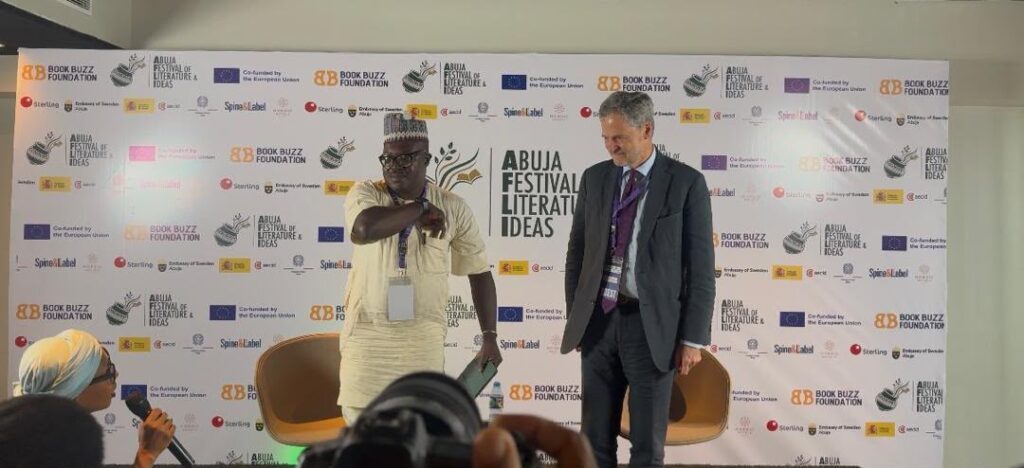
Drawing from Colombia’s experience with conflict and peacebuilding, the conversation examined how dialogue can help bring divided communities together and address the issues that keep them apart. It also raised questions about what Nigeria could learn from Colombia’s experience, particularly in dealing with conflict, mistrust, and divisions.
The discussion went beyond the idea of peace as the absence of conflict. It pointed to the need for people to listen, engage with difficult truths and recognise one another’s humanity, even when their experiences and beliefs differ.
It reminded us that sometimes the first step toward resolving a conflict is creating space for people to speak and, more importantly, to listen.
From how societies find common ground, the festival turned to another deeply personal subject: how people find themselves through the stories they tell.
During the session New Northern Nigerian Women’s Writing, Hadiza Elrufai, Fatima Bala, Nana Sule and Edify Yakusak explored writing through the lenses of grief, sadness, identity and becoming.
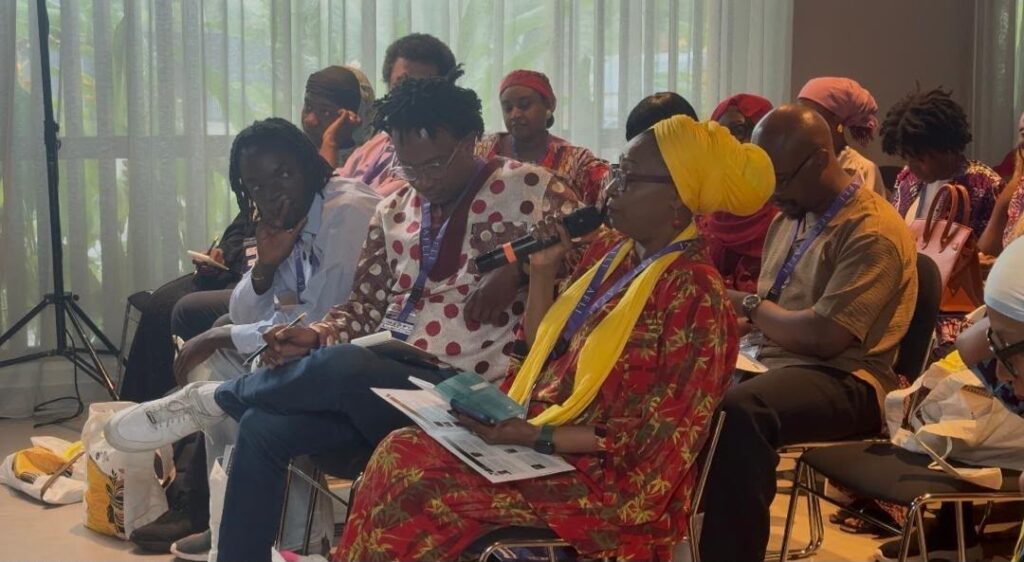
For Hadiza Elrufai, writing requires the courage to create authentic characters, people who are not perfect but carry their own flaws and complexities. Reflecting on the relationship between age and creative freedom, she observed that growing older can also mean becoming freer in the way one writes.
Fatima Bala spoke about sadness and the process of becoming, explaining that she wrote the stories she wanted to read. For her, becoming involves embracing uncomfortable experiences that may ultimately make us better, while learning to let go of what no longer serves us. It is, in many ways, a process of finding one’s way back to oneself.
Nana Sule brought identity into the conversation, encouraging a deeper look at imagination and the personal journey of becoming. Her reflections offered a gentle reminder that growth takes time and that people must learn to be kind to themselves and give themselves grace along the way.
Edify Yakusak, on the other hand, spoke about writing stories that would not leave her alone. Her experience pointed to the self-awareness required of a writer, as well as the persistence needed to give life to a story that demands to be told.
Although their perspectives differed, the writers shared a common understanding: becoming is rarely a straight path. It involves confronting difficult experiences, accepting uncomfortable truths and allowing ourselves the freedom to grow.
Beyond the sessions themselves, the festival also offered an opportunity to reflect on the person behind the gathering. Lola Shoneyin, founder and organiser of the festival, stood out through her spirit throughout the event. Beyond bringing writers and thinkers together, the energy and commitment behind creating a space where people could exchange ideas, challenge perspectives, and celebrate literature felt meaningful.
The festival reminded us that gatherings like this don’t happen by chance. They require people willing to imagine something different and take the first step toward making it real.
And perhaps that brings us back to the idea of becoming.
Life is shaped by experiences, choices and, sometimes, circumstances beyond our control. Yet, we often allow our differences to become reasons for resentment instead of opportunities to understand one another. The conversations at the festival invited participants to look beyond those differences, to approach one another with greater empathy and to recognise that every person is navigating a journey of their own.
Becoming is about owning who you are without fear or the need to apologise for what you believe in. It is about accepting that growth requires change, that some experiences will challenge you, and that finding yourself sometimes means letting go of who you once thought you had to be.
As Hadiza Elrufai reflected during the conversation, there comes a point when “you reach a stage where you have become.”
Perhaps that is what makes becoming so powerful. It is not simply about who we hope to be someday, but about the courage to grow into ourselves, one experience, one story and one difficult conversation at a time.
“And just maybe, the Abuja Festival of Literature and Ideas has become.”

Maryam Dalhatu
Maryam Dalhatu is a media correspondent, project manager, writer and entrepreneur passionate about the intersection of technology, education, governance, and leadership. A graduate of the University of Jos with a degree in Educational Administration and Planning, she currently works in media and technology, using storytelling, innovation, and leadership to contribute to meaningful change. She is also the founder of Poetic Duel, a platform that promotes poetry and creative expression. Maryam aspires to contribute to Nigeria’s educational development and build solutions that create lasting impact in society.