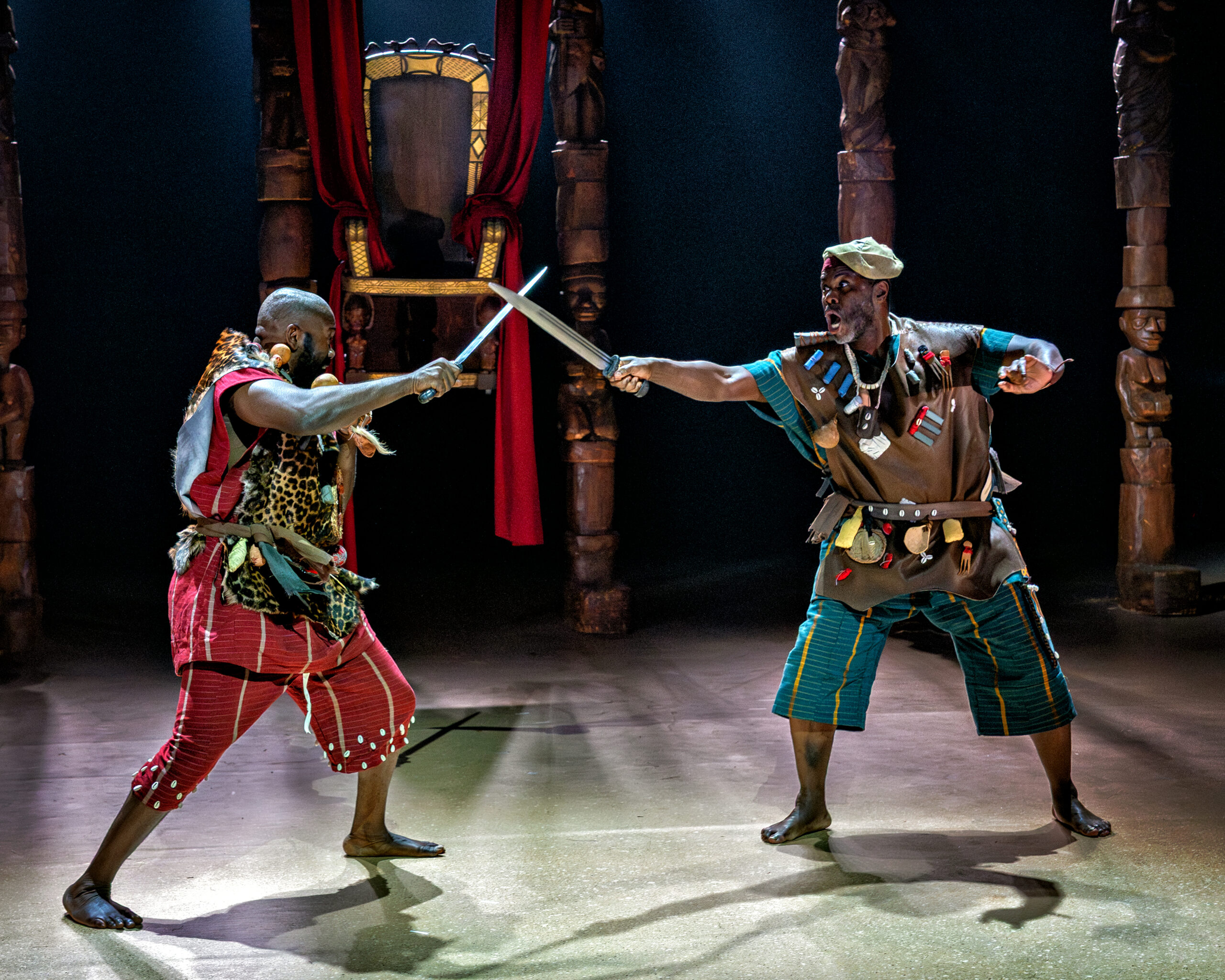
Macbeth has always been my favourite of Shakespeare’s tragedies. As an adolescent, I connected with it deeply because it reflected the stories I grew up on. A cautionary tale about the intoxicating allure of power, complete with prophecy, witchcraft and political corruption– it has the narrative poeticism of an African parable and the dramatic turbulence of a Nollywood script. You can imagine my delight then, when I found out about Crown of Blood, Oladipo Agboluaje’s adaptation of Shakespeare’s 420-year-old play, set far from the Scottish Moors in 19th century Yorubaland.
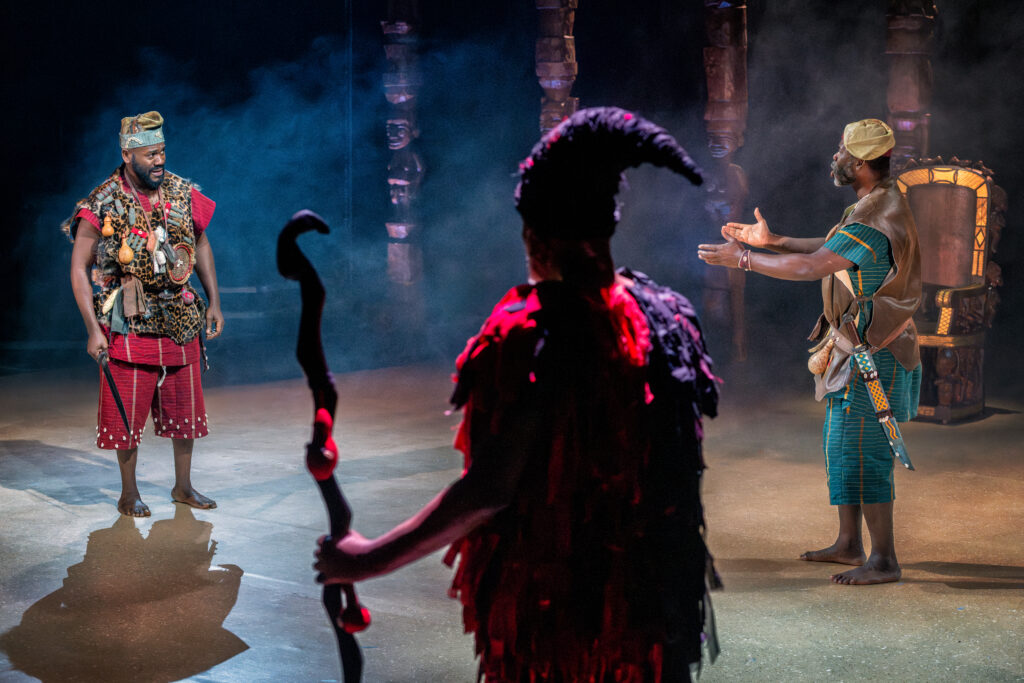
Produced by Utopia Theatre, Crown of Blood is grounded in the real history of the Oyo Kingdom, which is regarded by many as the largest and most powerful Yoruba state of all time. It follows Aderemi, a fearsome Oyo warrior defending a once great Kingdom on the brink of decline. Spurred by his wife Oyebisi’s divine vision, he begins a homicidal ascension up the ranks, with his sights set on the Oba’s throne.
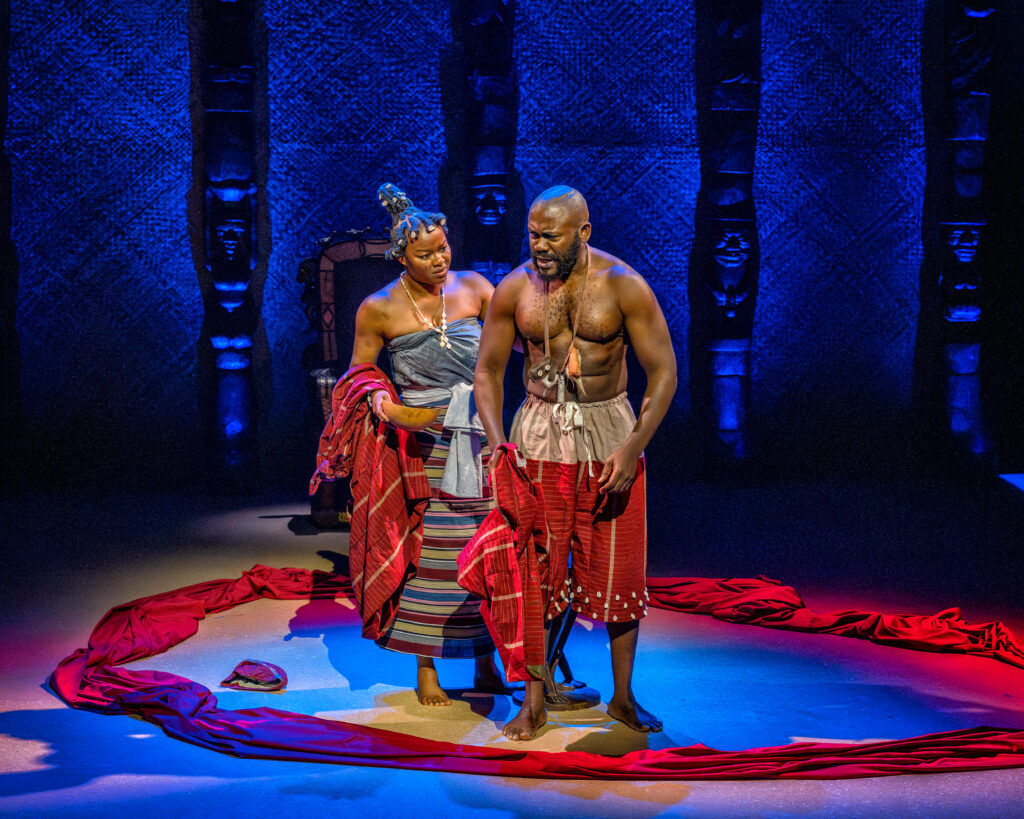
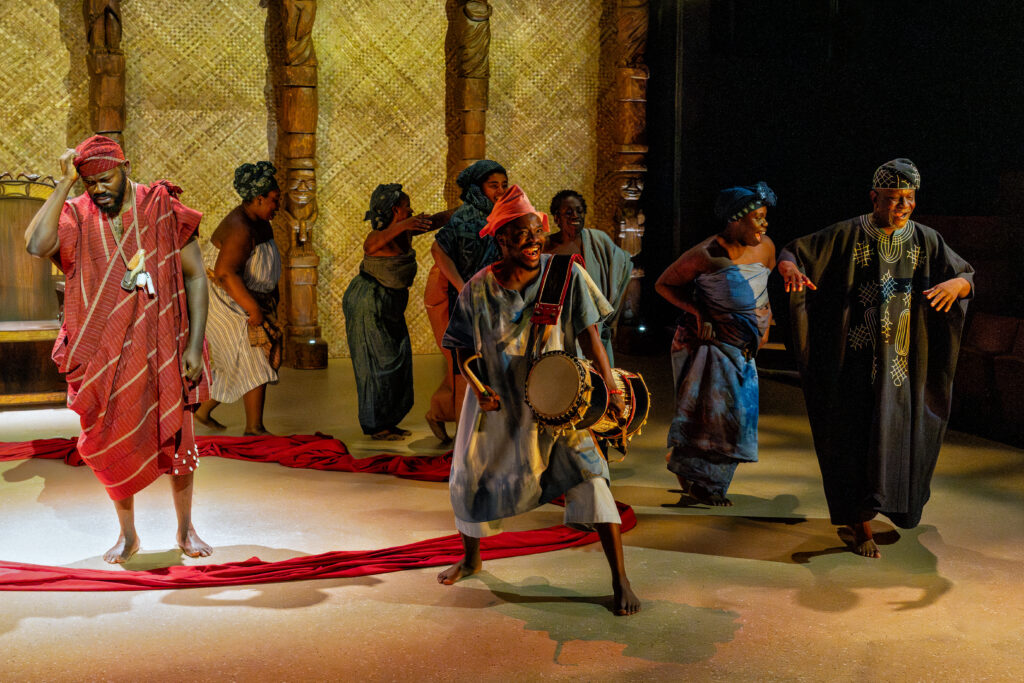
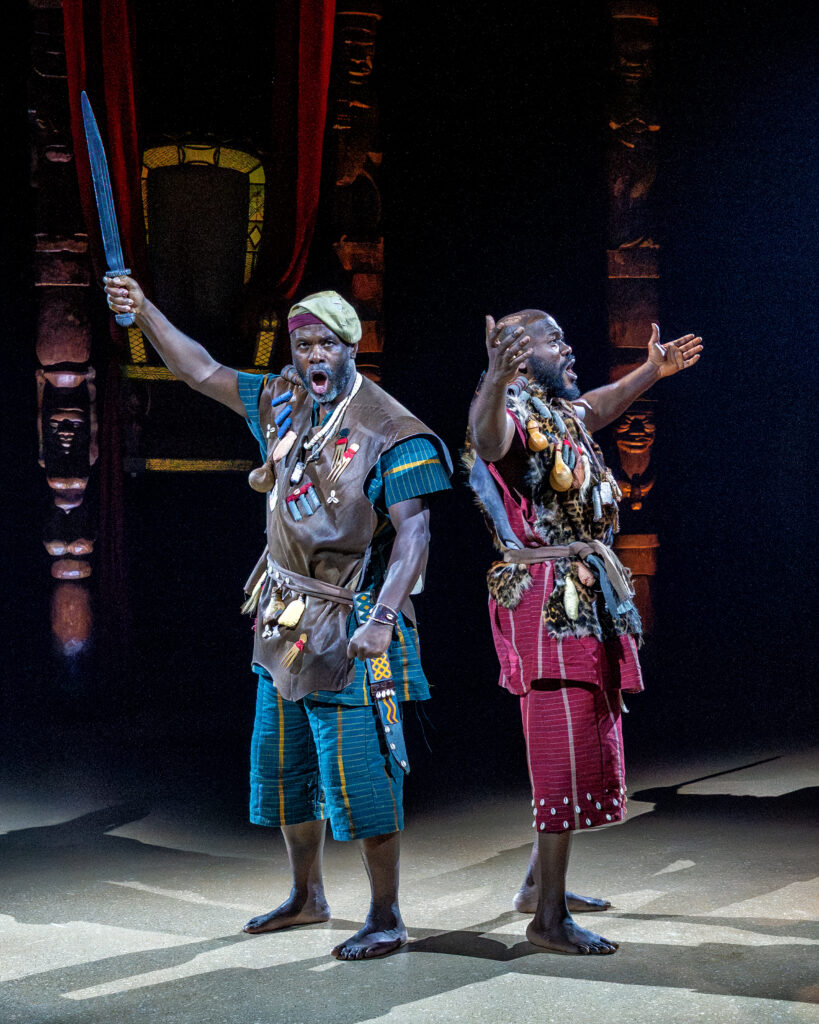
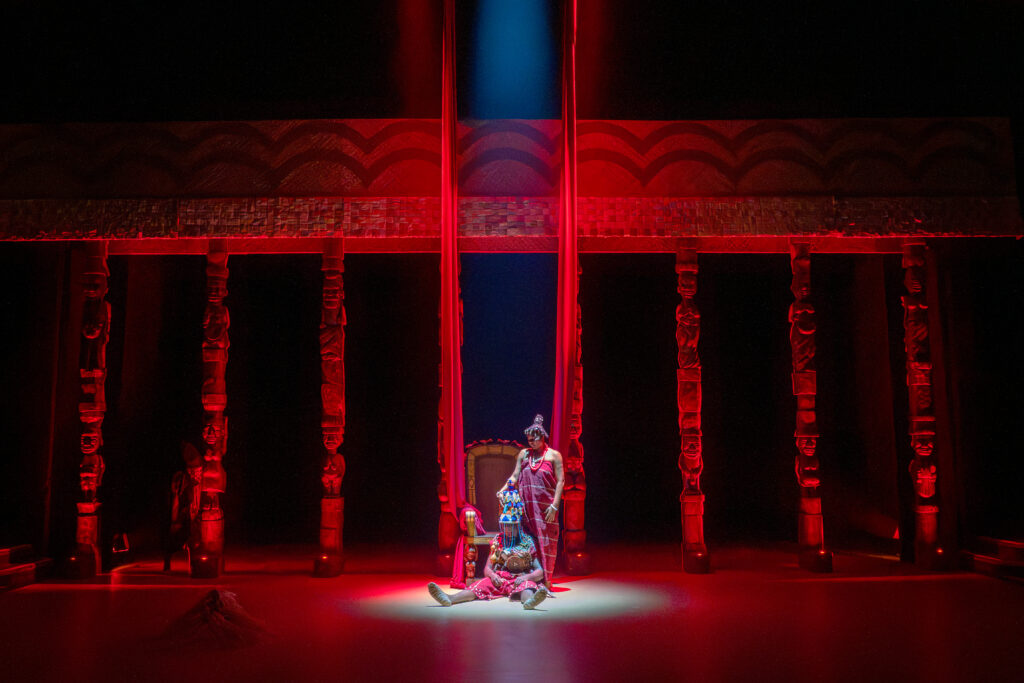
It was clear that the cast and crew, including Deyemi Okanlawon, Kehinde Bankola, Jude Akuwudike, Tunji Falana, Adura Onashile and Director Mojisola Kareem put their all into the show. Their effort, combined with evocative set design, hauntingly atmospheric music, arousing choreography, oriki, poetry and chanting that stayed with me long after the play was over, resulted in a production that moves audiences through the full spectrum of emotion. I was locked in for the whole thing which, considering my less-than-basic understanding of the Yoruba dialogue, was a remarkable feat.
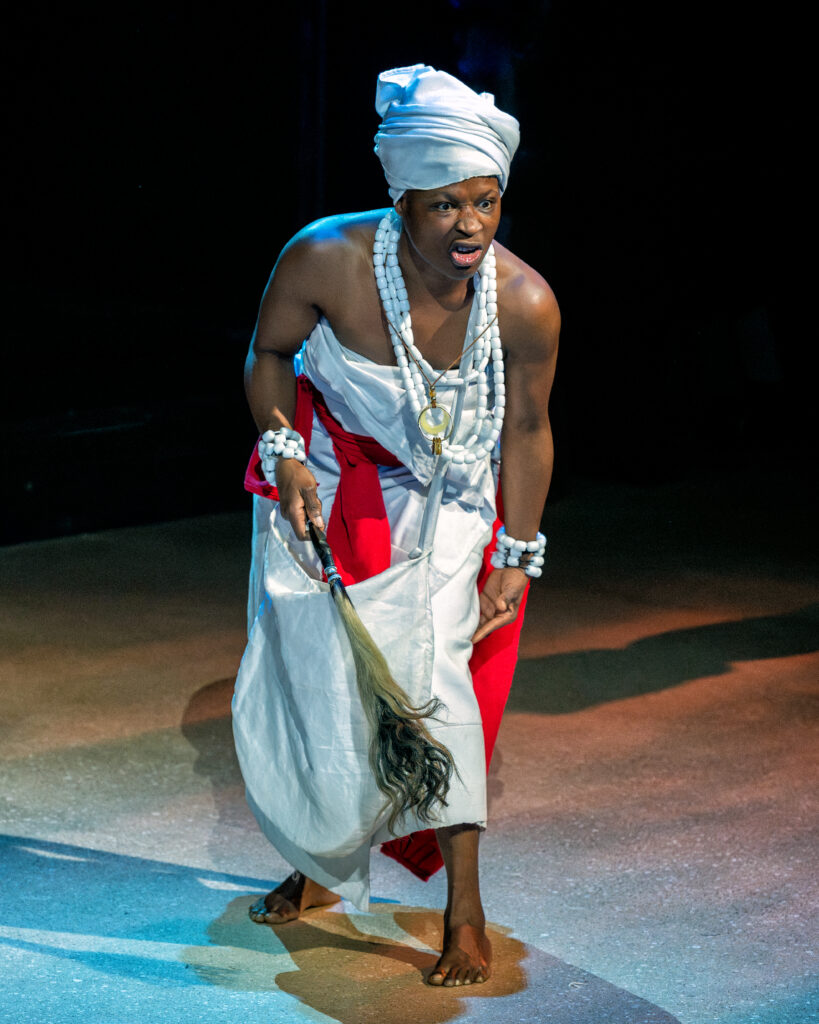
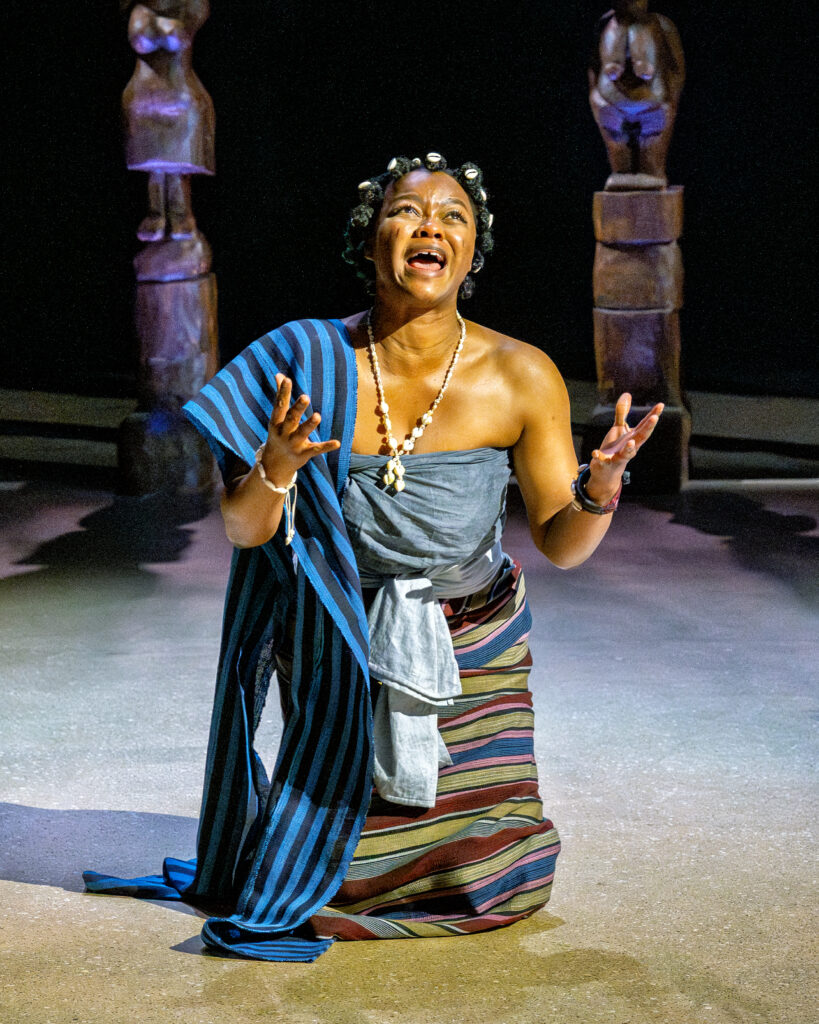
Even more remarkable, was the affinity I felt for Oyebisi. Just as I was enchanted by Lady Macbeth all those years ago, it was Oyebisi who affected me the most in Crown of Blood. Kehinde Bankole’s portrayal of the character was sensitive and transfixing. From the subtle sharpening of her tone in the presence of ‘enemies’, to the way she embodied an all-consuming bloodlust, that seeped out through her stride, the pendulum sway of her hips and the tightness of her grip– her performance was exquisite throughout. Beyond the brilliant acting, I think the character speaks to me so much because she is unabashedly a wicked woman.
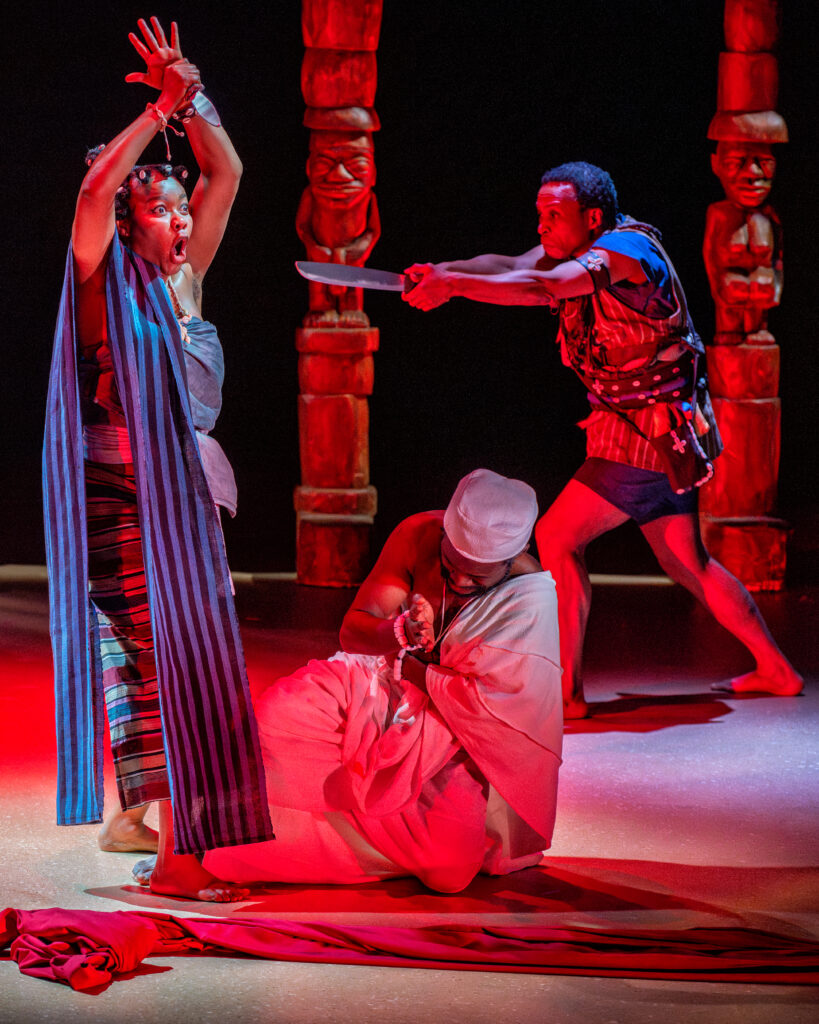
Lady Macbeth is perhaps the most formidable female antagonist Shakespeare ever wrote. Most interpretations of her lack depth, portraying her as a hysterical succubus leeching off her husband’s esteem but the budding feminist in me recognised she was bad ass, even as a pre-teen. Oyebisi’s character arc intrigues me even more because it defies the tropes of wicked womanhood that prevail across cultures and time periods, the same tropes that are mainstay in contemporary West African cinema (think Beyoncé vs Rihanna or basically any role that Patience Ozokwor has played).
What sets Oyebisi apart from the villainesses that saturate African media is the incredible autonomy that she has in her wrongdoings, and the context we’re given as to the origins and objectives of her bitterness. Though she uses her husband’s ambitions as a vehicle for vengeance, she– unlike many Nollywood vixens and even the original Lady Macbeth– is driven by something deeper than a naked hunger for power by proximity. Her depravity is hers entirely, born before her marriage and more demanding than her love for her husband. As such, she is sovereign in her resolve, and she wields this darkness of spirit with a beautiful vulnerability.
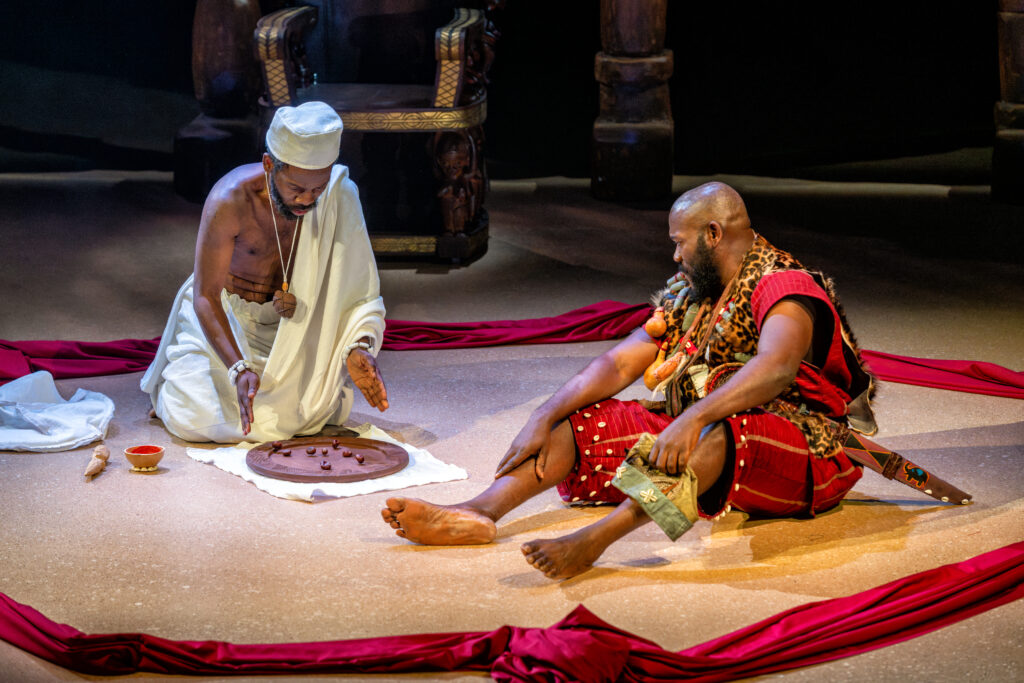
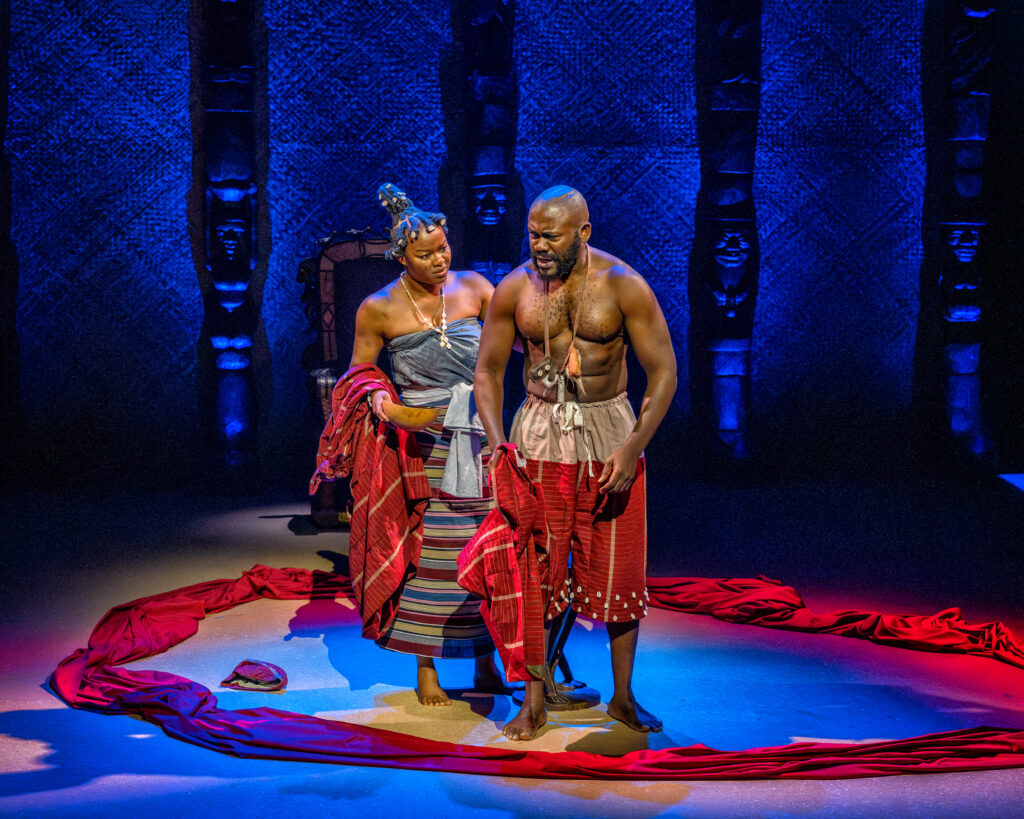
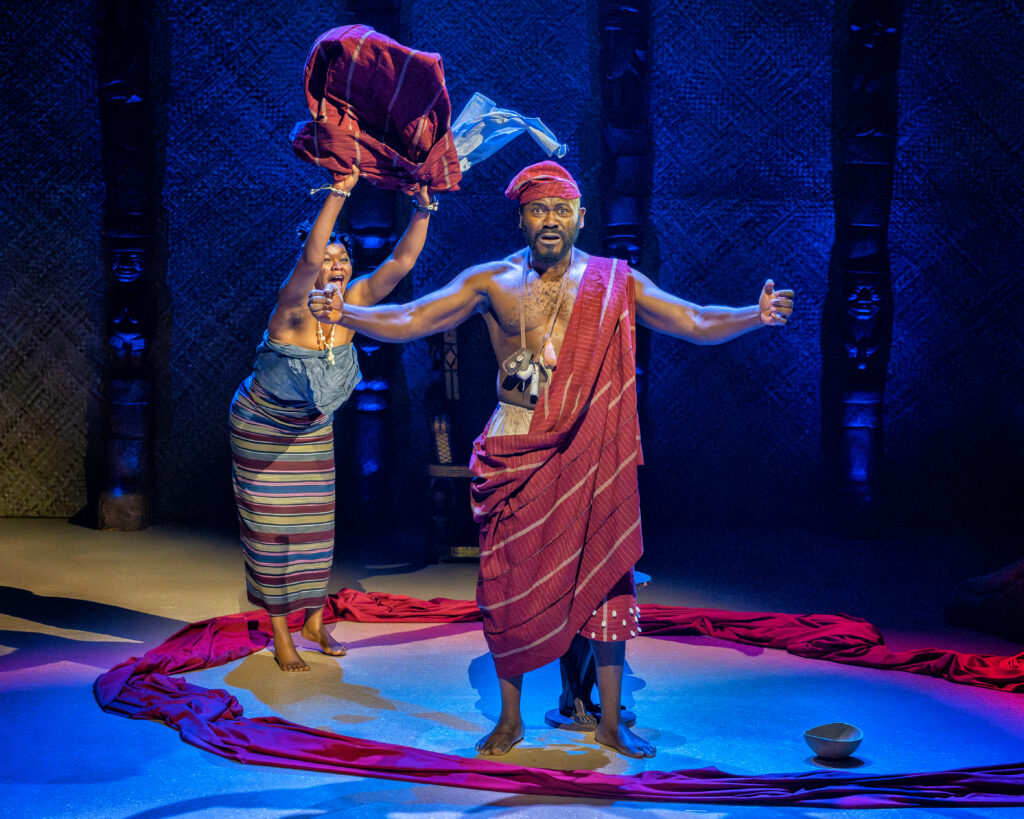
In a scene that stuck out to me more than others, Oyebisi petitions her husband, who is becoming complacent in his contentment with his military promotion, to aim higher. She wants him to see as she does and when he tells her she is taking it too far, she hits back, remind him of the childhood wound (kidnap and enslavement) that fuels her furious fire. When she realises that he does not share in her pain, her desperation and aspirations as she does his, we see her heartbreak compound, and all the couple’s affairs go downhill from there.
The vision she professes to her husband at the start of the play (however fraudulent), is the instigator for all the following events. The play’s characters are all living in her manifestation and so the plot unravels and she does. Her fall from grace is as honourable as it is inevitable because she’s an all or nothing type of babe. And though she doesn’t realise her dream of standing by Aderemi’s side as he sits on the throne, her ultimate goal– bringing down the kingdom that robbed her and her people of their glory– does come to fruition in a way, as Oyo is left in complete disarray.
Stories like Oyebisi’s excite me and I find real satisfaction in watching wicked women who are afforded multiple dimensions. She is the typical manipulative seductress yes, but she is also discerning, cunning and possessive of a spiritual fortitude that allows her to literally challenge the Gods. Things may not end well for her but there’s power in the way she lived. In today’s age of rising conservatism and misogynoir, representations of this kind of raw, feminine power are all the more essential in African art.
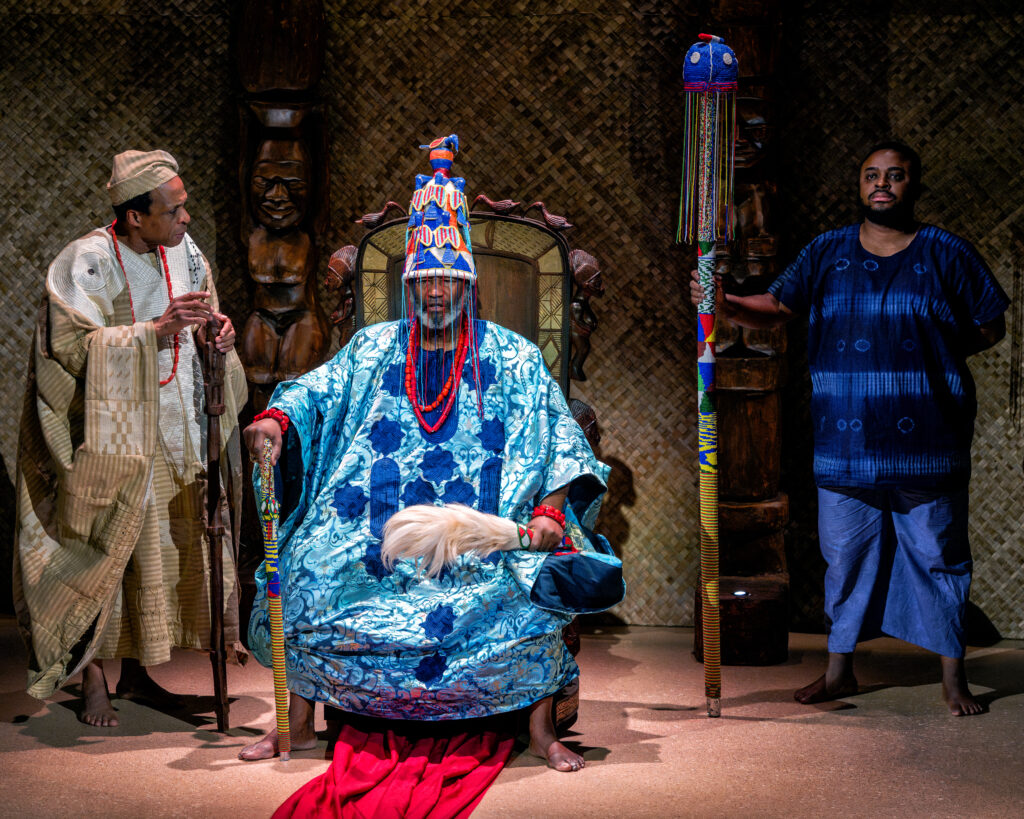
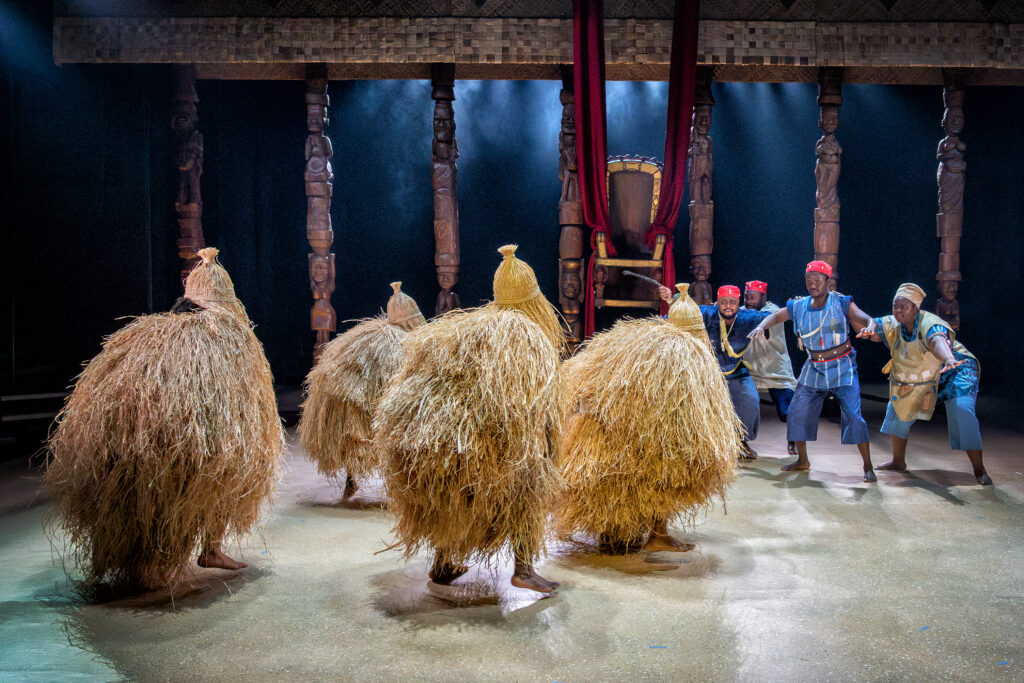
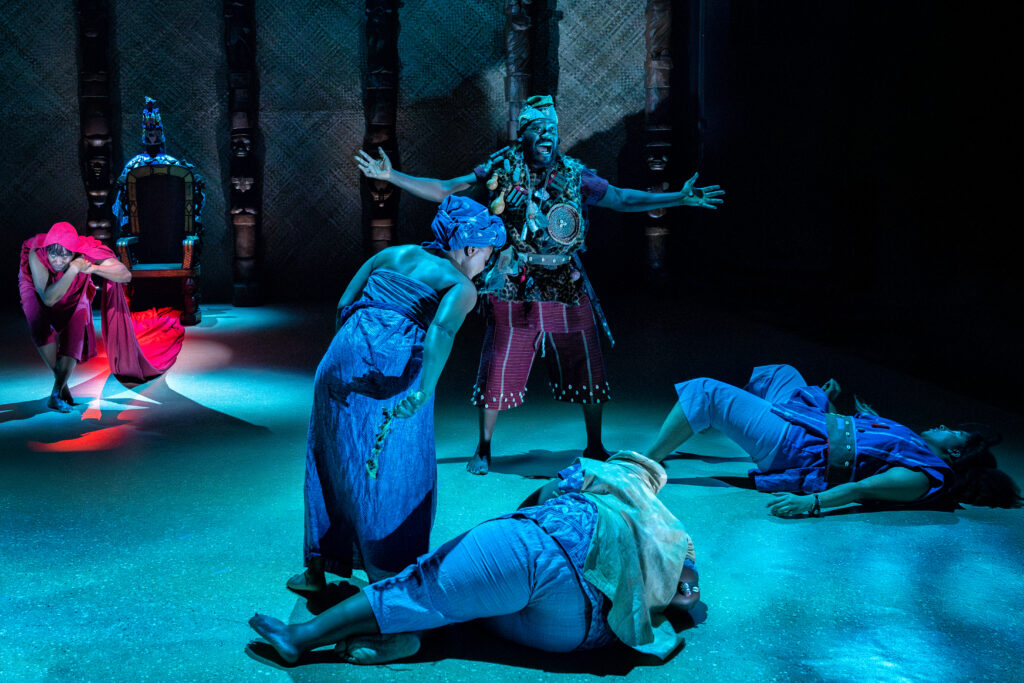
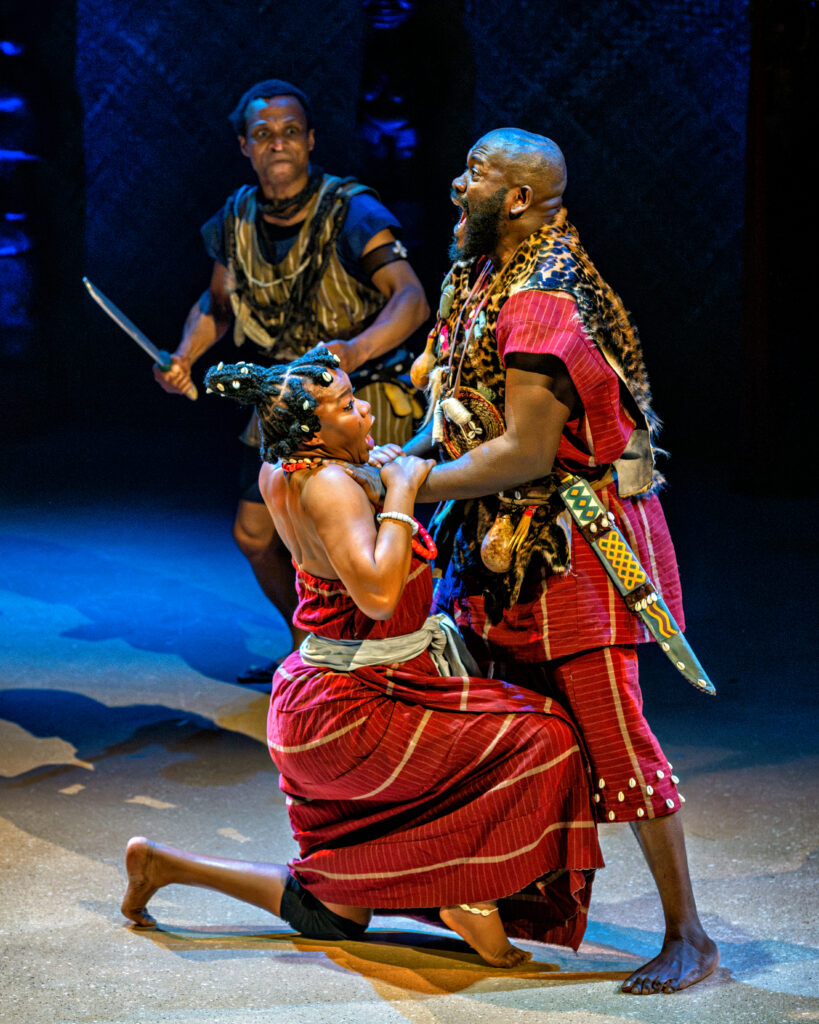
Crown of Blood will be performed at Edinburgh’s King Theatre in March 2027 with more 2027 tour dates and venues to be announced.
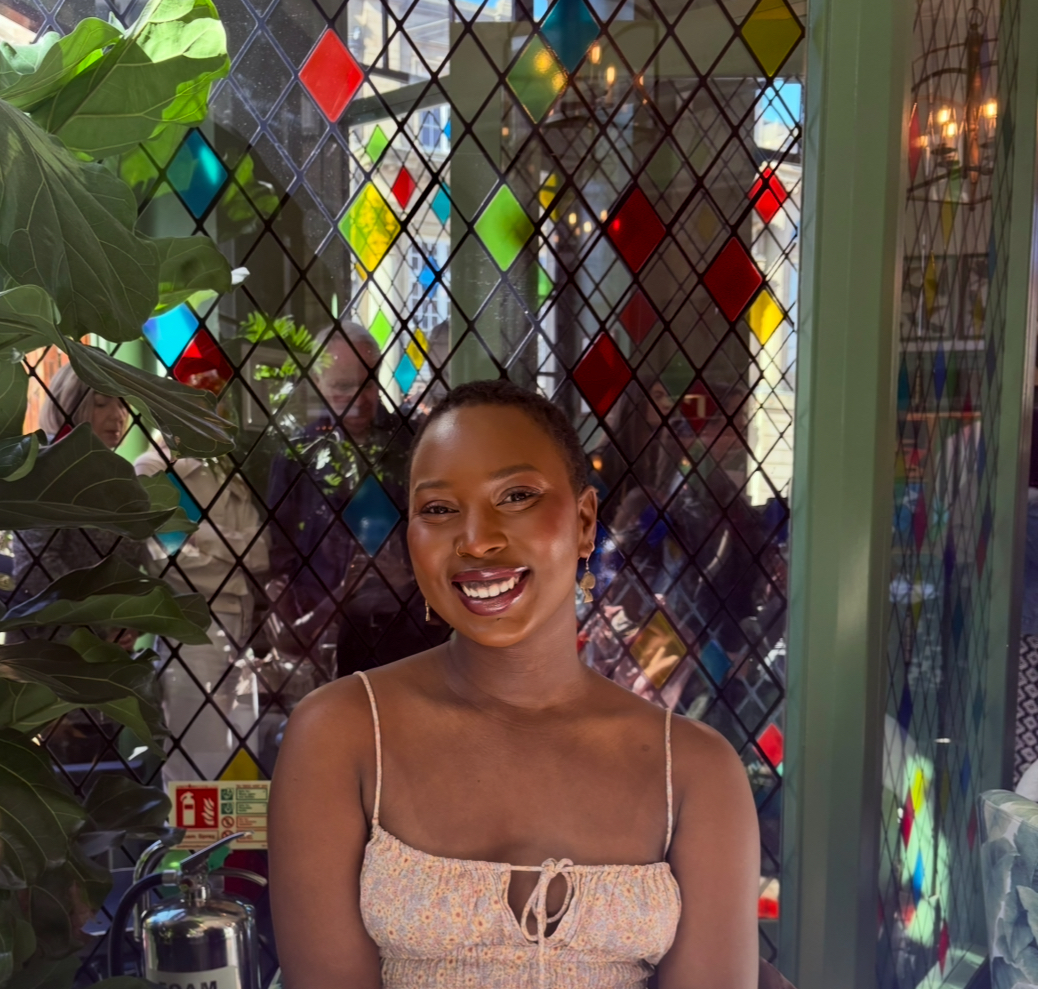
Memuna Konteh
Memuna Konteh is a multi-disciplinary writer who specialises in the
intersections of identity, culture and politics. Her work has appeared
in Thiird magazine, Reader's Digest, Glamour and elsewhere. In 2021 she
was runner-up in Hachette’s Mo Siewcharran Prize. She is currently
working on her debut novel.