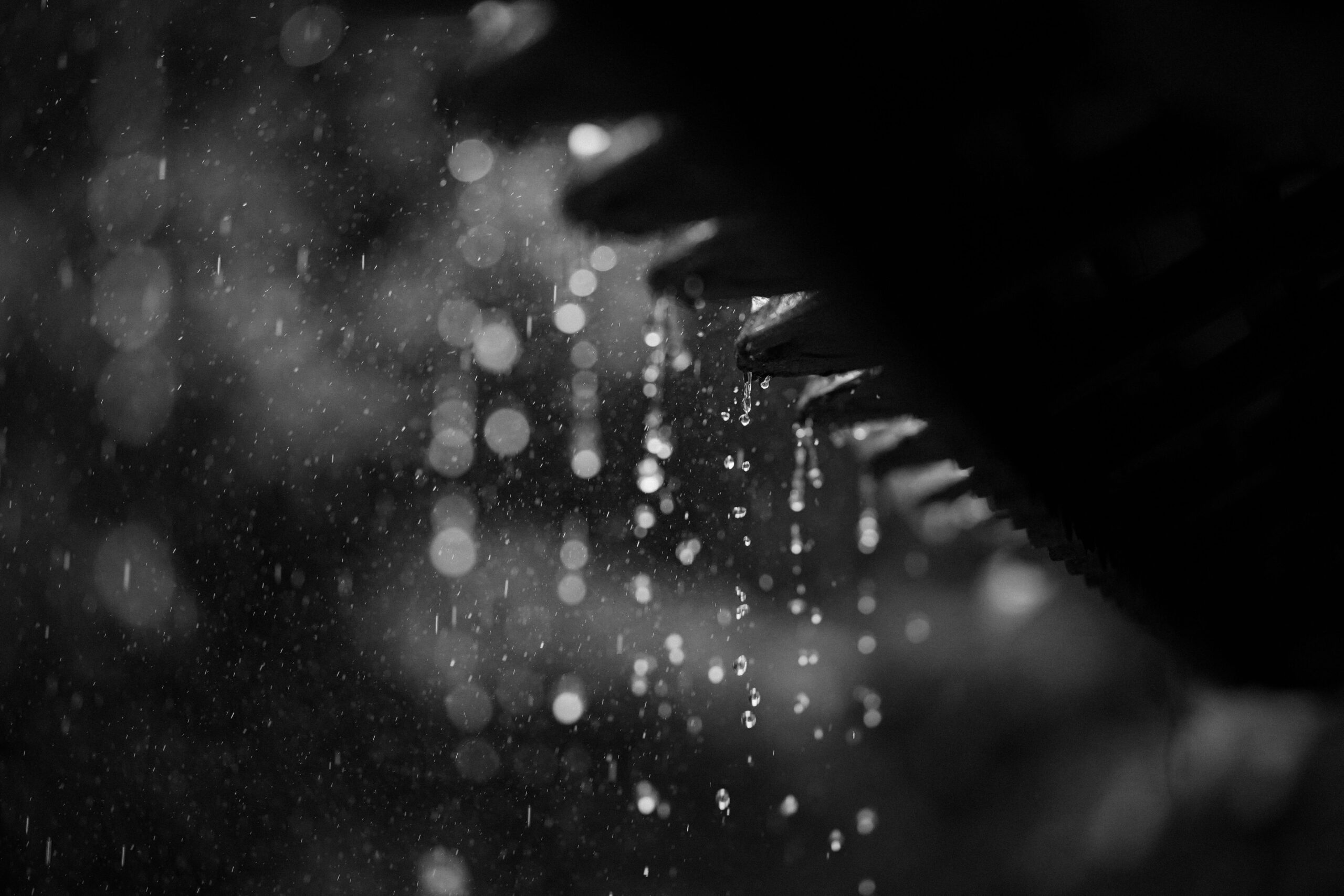
The day after a seven-day downpour, Soji’s body was found, swollen like bread left too long in water, ashen white like our hands after a rigorous Saturday washing. Ajeromi, the community where I lived, groaned under the weight of an immature death, mourning Soji’s demise. Amongst the voices that blamed the government for failing to dredge a certain River Niger was Mr Uche, our neighbor who owned a chain of supermarkets. The large man’s eyebrows twitched every time he counted money. He was always counting money—touching a finger to his tongue, blinking twice before touching the notes.
My father called him Okocha. “That man is very smart,” my father responded when I asked why he gave Mr Uche a nickname. I was curious, seeing that he neither played soccer nor looked like the ace Nigerian playmaker, not with his shirts that stopped just above his navel.
“You know he sets up different companies, and as soon as one company is due to pay tax, he sets up another one so the government wouldn’t tax him, provided the company hasn’t earned 25 million.” My father clarified.
Learning of Soji’s death, Iya Rukayat, with a face two shades lighter than her body—the same one who fought with the Class Four teacher who warned her against dumping refuse in the gutter—clasped her hands on her chest as she wailed. She didn’t blame the government as Mr. Uche did, but she didn’t reprimand herself too for telling the teacher that refuse had been dumped in gutters before the teacher grew hair on his balls.
She must have blamed God because I saw her several times stare into the burdened skies, shake her head, and then clasp hands around her breasts and wail again.
All I remember, though, as I watched, was how the gutter that swallowed Soji wasn’t always big—how we all once danced in it, squatting there when we played hide and seek. But I also remember how it gaped, widening its mouth every time someone dropped their refuse in it, swelling like a well-fed animal. It reminded me of how my mother said I would grow if I ate.
Garba was like all the men gathered by the gutter—quiet, contemplative. One could call him lithe, his body always pliant in kaftan. His tribal marks stood like the marks prisoners make on cell walls to count their time.
Garba did not wail. He only shook his head as he and a few men pulled Soji’s body out of the stagnant water.
But his eyes were not guilty, and I could sense he did not blame himself for extending his cement blocks in the path where water was meant to run through. My father did not call him Okocha, did not praise him for evading taxes, but I once heard people hail Garba with these words: The only Hausa man wey dey move like Igbo man. They slapped his back and hugged him the day he completed his blocks of flats.
Nobody said a word about the waters that spilled on the road when the rains descended. No one spoke of how rainwater no longer flushed into the gutters. They either pretended it did not exist, or maybe they didn’t see it, as eyewitnesses say Soji didn’t see the waters that grabbed his ankles and pulled him into the gutter. It is one of the things I noticed about the adults—how they became blind to the things they didn’t want to see, and how they chose to see the things that should not bother them. Things like how boys now play with only boys these days.
When my parents returned from a condolence visit to Soji’s parents, I scanned their faces, seeking guilt. My father wasn’t Mr. Garba; our house wasn’t on the waterway or obstructing the flow of water. He thought Mr. Uche smart, and he never spoke against Mr. Garba.
My mother kept all our refuse in the large plastic bucket outside our gates for LAWMA, the agency in charge of waste disposal. But I knew she didn’t dump it in the gutter just because she believed it was wrong. She didn’t dump it like Iya Rukayat because the gutter was far from our house.
I searched their faces, especially when they said Soji’s parents nor any of his friends did not attend the burial, according to tradition. “Abomination!” my father had called it.
I wondered then if my thoughts had crossed his mind. What if Soji had been me? What if it were my knees the floodwaters had grabbed? What if it were my body that had been excavated like swollen bread? My mother said Soji was loved by this community. And I didn’t quite catch if she meant that the community—all of us—should have been at the funeral, or that Soji being loved by the community could have saved him from drowning. Can a mere feeling of love save without commensurate action?
A week after the floods, after we all began to play again as we did when Soji’s joyful shrieks still echoed as we played police and thief, I see Iya Rukayat with her refuse in one hand, heading towards the gutter, her other hand clinching her wrapper to her waist. Garba’s house still stood despite the unpainted walls split into two, showing how high the floods climbed. Mr. Uche still counted his money with the gusto of the hungry feasting on their favorite meal. My father still lectured about Mr Uche, about his worldly wisdom. For me, I wonder what would happen when the next rain pours—which other child this community would take.

Oluwakorede Oluwatosin Obaditan
Obaditan Oluwakorede Oluwatosin (OBA.T.K.) is a Nigerian writer based in Lagos. He works in the private sector as a partner in a microfirm. His works have appeared in Kalahari Review, Writer Space Africa, BlackInk, Afapinen, Poliz, and One Sin Magazine. When he is not writing, he can be found running marathons and ultramarathons or attempting daunting fitness challenges that make many doubt his sanity. Obaditan is @obateekay on Instagram and @kingofkontenton X.