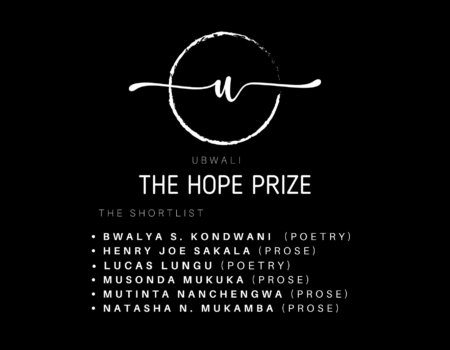
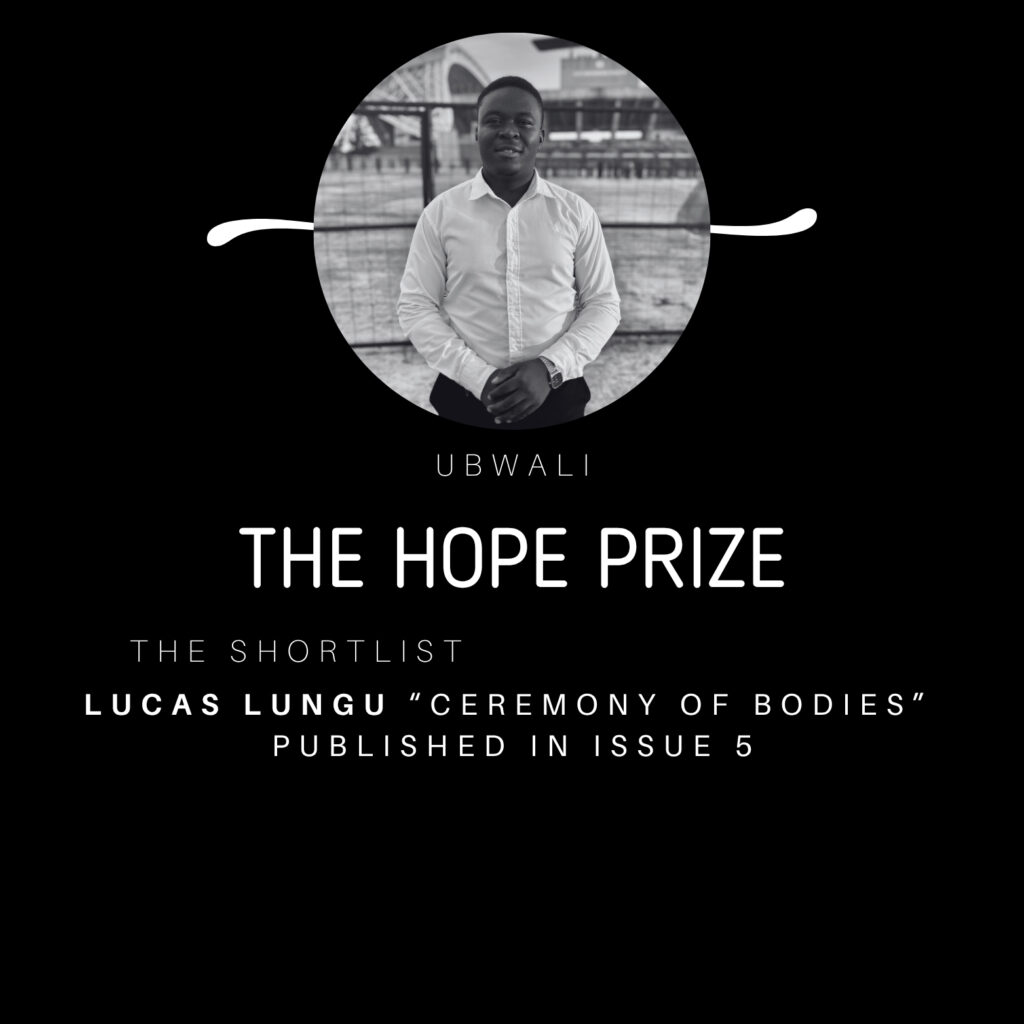
Lucas Lungu is one of six Zambian writers shortlisted for the 2025 Ubwali Hope Prize, presented by Ubwali Literary Magazine in partnership with Shenandoah. The Prize celebrates the best of Zambian prose and poetry. One winner is selected each year, receives an honorarium of $500, is featured in the fall issue of Shenandoah, has future publication in the Journal of African Youth and Literature (JAY Lit) and a year-long virtual writing mentorship with Mubanga Kalimamukwento.
Lucas Lungu was shortlisted for his poem, “Ceremony of Bodies”, published in Issue 5 of Ubwali Literary Magazine. The poem can be read here.
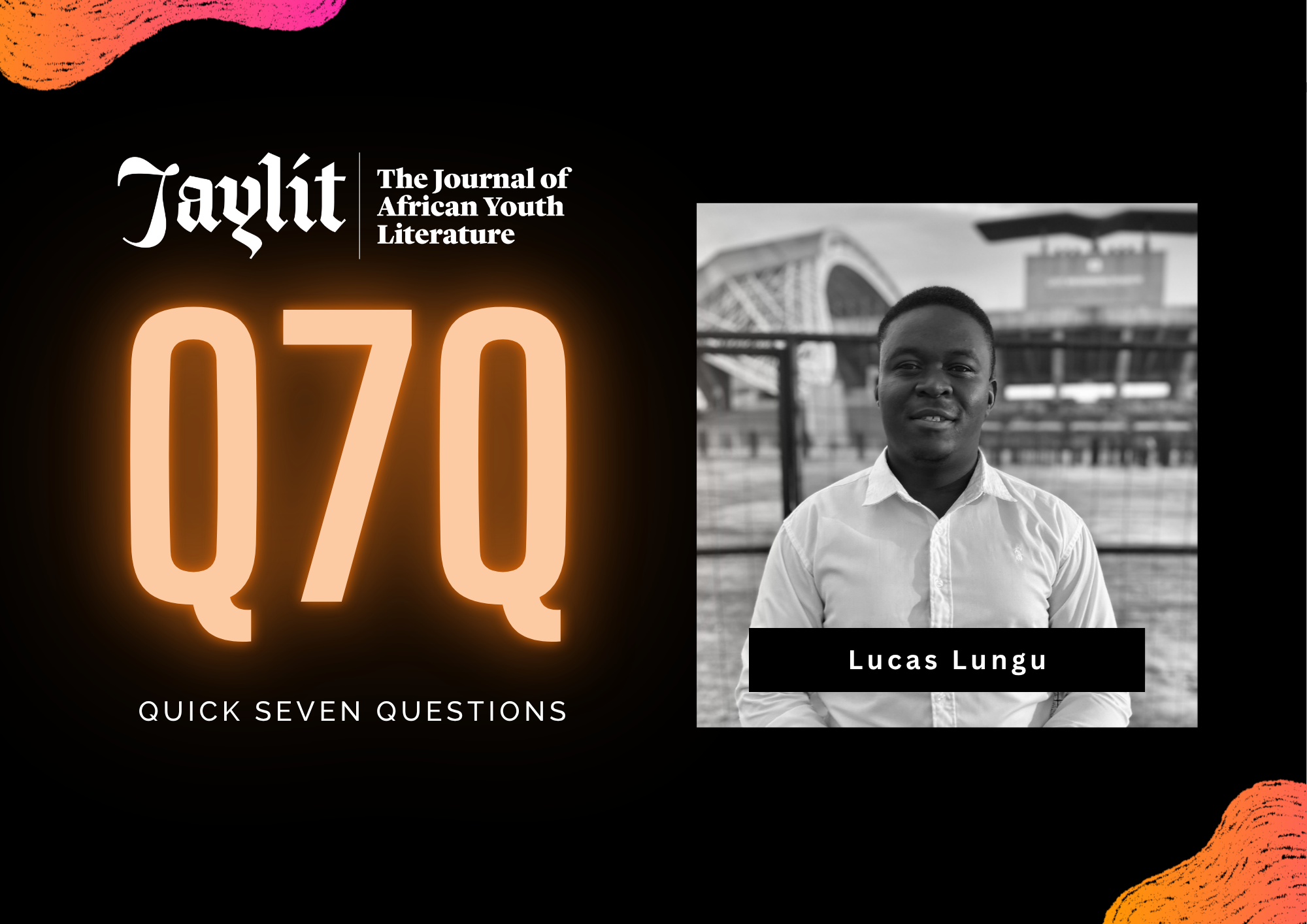
Below is our “Quick Seven Questions” interview with Lucas Lungu.
Enjoy!
~
Q1 – Who is Lucas Lungu?
Lucas Lungu., is a Zambian poet, published author, Biomedical scientist, and researcher. He is the author of Prayers End Here, a poetry collection, and a 2026 Pushcart Prize nominee. His work has appeared in Ubwali Literary Magazine and many other places. He loves reading and enjoys spiritual music that speaks to him as human. He believes he is nothing but a free, natural human being, and he lives as such.
Q2 – What is the inspiration behind “Ceremony of Bodies”?
Firstly, “Ceremony of Bodies” is partly nonfictionally & fictionally inspired. Death is one thing that I have grown up experiencing and watching more frequent. In 2016, I lost my elder brother to suicide, & Sipho, in the same year. Sipho was a person living with albinism in our community whom my elder brother loved to swordplay with. It is hard to be among a group of people that looks at you differently, and to face your worst discrimination at a cathedral after leaving home. I do not remember a day Sipho did not cry because of how un-belonging he felt daily, or talk about the fears he harbored in his beautiful body whenever he came visiting us.
Heartwreckingly, when he returned to Malawi; within a few months, we received the news of his departure due to murder. I lived in denial for many years, and I did not know how to speak about him or how to write about him, until last year on the memorial of my brother; I needed to vent, and I needed to be free from anger and grief. & in whole, this inspired me to write “Ceremony of Bodies.”
Q3 – What hopes did you have for the poem when you were submitting it to Ubwali Literary Magazine?
In all honesty, I only hoped for the poem to find its home, to be read, and to instill empathy in the audience toward people living with albinism, as well as awareness of matters marked by such horror. I am a believer that writing is a way to make people live in the moments of a character, & leave a long-lasting impression on how they think, how they behave, and their perception and judgment of justice. Thus, my hope was to reach a wider world of readers, which Ubwali gave me the chance to do, & for that, I am most grateful.
Q4 – What does ending up on the Ubwali Hope Prize shortlist mean to you?
To begin with, I had absolutely no idea that “Ceremony of Bodies” would be recognized for the Hope Prize. However, this has come to me as bliss, as encouragement, and as comfort. It has given me another chance to relive the poem and to experience its life again.
The process of writing is the first intent of every writer, while recognition comes later, and ending up on the shortlist is an encouragement & comfort, that makes me reflect on the of effort, and the constant refinement of craft to communicate messages to audiences in the most solemn and beautiful ways.
Q5 – What would winning mean to you?
Winning the Hope Prize would mean a lot to me, both as a writer and as a person whose work is deeply tied to memory, grief, and truth. It would affirm that “Ceremony of Bodies” has found a home beyond me and that the lives at the center of it matter.
For me, this poem carries the weight of so many memories of my brother, sipho, and I. To see it recognized would feel like honoring their stories even more. It would also remind me that even the most painful experiences can be transformed into something that reaches others.
More than anything, winning would reassure me that honest stories still have a place in the world and encourage me to continue writing work that speaks to difficult realities with so much humane.
Q6 – How has this changed, inspired, motivated, or improved you, the writer?
This recognition has encouraged me to trust my voice and the kind of stories I choose to tell. As a writer, there are moments of doubt where you question whether your work will connect with others or whether the themes you explore will be understood. Being recognized by the Hope Prize has reminded me that deeply personal stories can resonate far beyond my own experience.
It has also pushed me to become more disciplined with my craft, to research more deeply, revise with greater care, and remain patient with the creative process.
Most importantly, this experience has strengthened my confidence and reminded me that growth as a writer comes from persistence, curiosity, and a commitment to becoming better with every piece I create.
Q7 – What future plans do you have for your writing?
My future plans are centered on growth, consistency, and expanding the reach of my work. I want to continue writing poetry that explores memory, identity, grief, departure & exile, and the differences of human experience in ways that feel honest and alive. I’m also interested in experimenting with other forms of writing, particularly essays and fiction, to challenge myself creatively.
Beyond individual pieces, I hope to publish more collections following Prayers End Here and continue sharing my work. I also want to engage more with literary communities, mentorship opportunities, and spaces that allow me to learn from other writers. Ultimately, I want to build a body of work that lasts longer, and work that speaks to people across different places and experiences, and leaves readers feeling seen, challenged, or transformed.
~
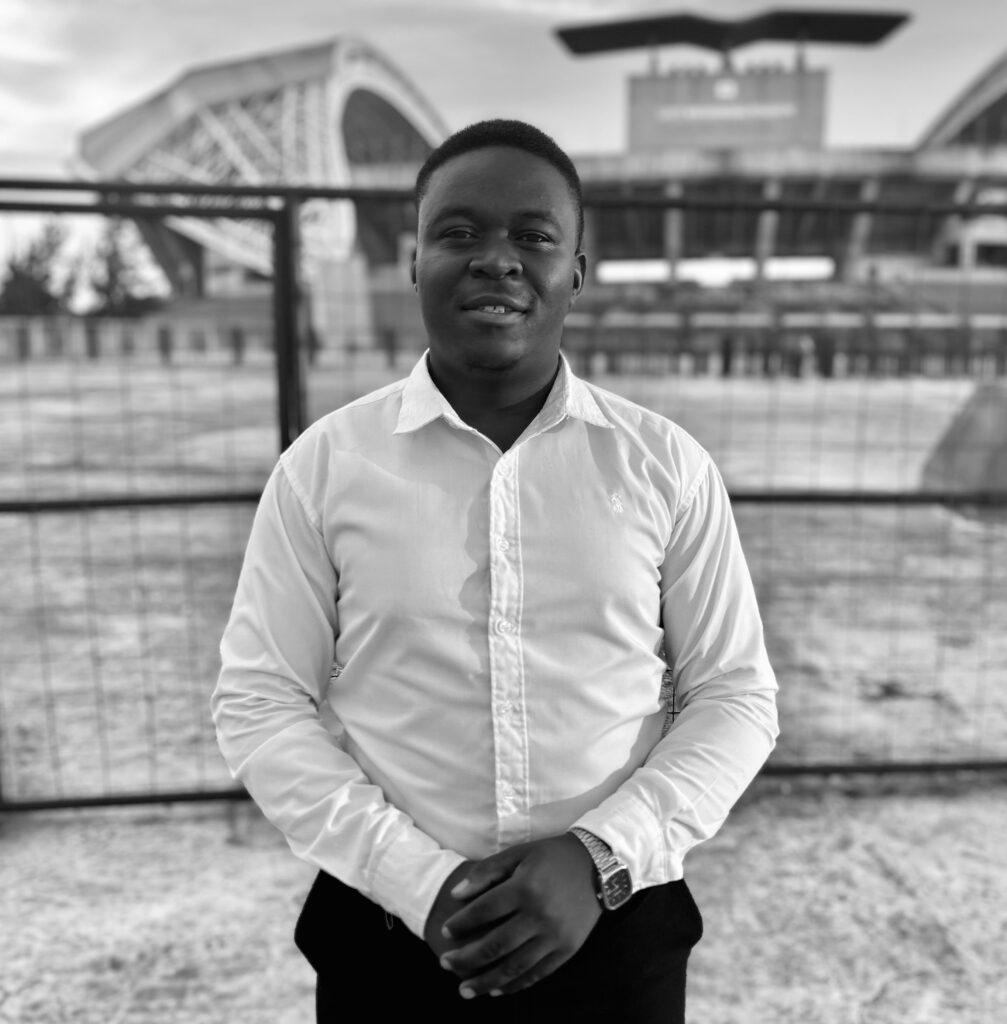
Lucas is a Zambian poet, published author, Biomedical scientist, and researcher. He is the author of Prayers End Here, a poetry collection, and a 2026 Pushcart Prize nominee. His work has appeared in Ubwali Literary Magazine, Usawa Literary Review, and many other literary spaces.