I.
The air was putrid. Sulphur and chlorine mixed in an unholy vat of drinking water fit only to be shared by poor men and livestock. He was a poor man, so he survived.
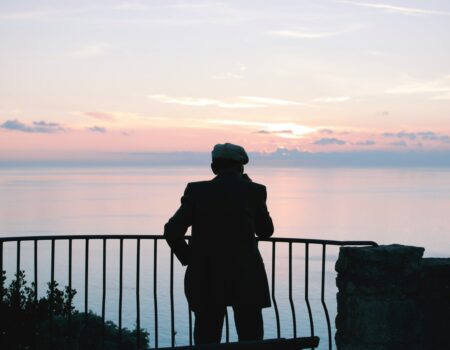
He had awoken in agony; it was the only reason he found himself here. His night terrors had returned and would not let him rest. In the brief moments when he snuck in restless respite, he dreamt of a gaping wound with flies fattened on the juiciest morsels of moist flesh. It never closed, never itched; it only invited the interrogation of his index finger because it was there, ready to be investigated. He hoped he would not awaken.
I love you, but life has defeated me, so I must go. He scribbled hastily on a piece of paper, neatly folded it several times over, then buried it under a mound of sand. It would have been discovered by its intended recipient had he found a matchbox. Here he sat in the waiting area, faintly smelling of kerosene.
His eyes opened as he clutched his left breast with his right hand. It did not hurt, per se, but it was even more present the following morning. The sleeping man, now the recently awoken man, was not used to this feeling. His days passed by in a haze that was best not experienced. The melancholy into which he sunk like a perfectly worn armchair was nothing if not boring, so he thought about death. That is the only part of being awake that a man in his condition can look forward to. After years of living in possibility and anticipation of a second, an eighth, the last chance, all he had was the faint expectation of a certain end, and it was beautiful.
The reception bulletin board was full of fading posters with phone extensions of countries far from his own. The doctors who pried away at rotting flesh for a living only did so because of morbid fascination. The lives below throbbing pustules were only a minor inconvenience. The hospital had no use for the living, only the dead. Yes! Only the dead! It was pale cheeks and purple lips slapped on black faces that brought donors to their greedy knees. They claimed to be saving the sick; really, they were saving the walking dead, who were numb to everything except impending doom and the need to purchase salvation.
A young woman stormed out of the lobby, exasperated by the empty shelves and a nurse who had nothing but apologies to offer. “She would have been more understanding if the nurse didn’t look like the woman who slept with her husband,” the awoken man whispered to the corpse sucking shallow breaths of warm air next to him.
He had taken a special interest in the woman. She was younger, but not by much. He looked into her eyes and found life in them. He saw it in how they darted around the room anxiously. Worry is reserved for those who expect to get something they treasure.
“She’ll fight the mistress, I bet,” he continued musing to the fleshy mountain of bones. She was the type of woman who still bothered to do such things. But it was the natural order of things: men cheat, understanding partners take issue with the interloper. Under the right light, not the sterile white of the state hospital, but the right light, she looked like the love he gave up long before. If the husband and the mistress were outside, he would swoop in and make an honest woman of her. He would not hurt her the way her husband had – she would never find out about the local whore he kept on retainer. He rolled his eyes; she would surely come looking for the money he owed her for last week’s impromptu rounds.
The awoken man gave up on talking to the body to his left, so he entertained himself with invented stories of the other morose faces in the room. He stole glances to fuel the next tangent. He was building a house in a snazzy upmarket neighborhood when they called his name. He did not look back at the jilted woman still shouting and waving her hands outside.
The doctor was a burly American. No one else in the dying man’s line could tell white men apart. The dying man smelled the brown liquor seeping from the doctor’s skin. Johnny Black. He thought about what he would do for a single swig. He stared intently at the raised stitching on the breast pocket of the doctor’s white coat.
“What’s your name, sir?”
“Sive.”
“What brings you in today?”
Sive was quiet. He was caught in the strange melody with which the doctor spoke.
“What’s wrong?”
Sive descended from his daydreams and pointed at his chest.
“Any pain?”
“No.”
“No?”
“Little bit.”
“Mhh.”
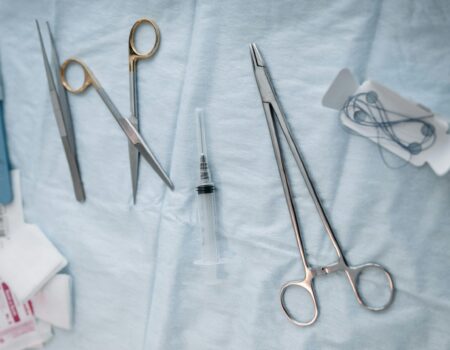
The doctor undid another button then poked at the mass and gazed upon its strange colours. He took a small, shiny tool and shaved a near-imperceptible sample off. He slid the tiny mass of skin into a tube, tossed the tube into a bag, and made some illegible markings on the bag.
“Anything else? Headache? Sore throat? Cough?”
“No.”
“No?”
“No.”
“Come back next month.”
“Next month? With any luck, I’ll be dead by then,” he suppressed, responding to the doctor’s instruction with a nod and an uncharacteristically shy “okay”.
“Yeah, next month,” he read Sive’s quizzical expression perfectly. He had enough experience letting hopeless masses down. “Too many tests in front of the line. This country eh.”
And with that, Sive buttoned his shirt on and walked out.
He did not yet know that such mercy was coming. Perhaps if he had, the buildup would have turned his hope sour and relief into deep sadness. Hospitals, clinics, and outpatient centres—every place that treated the sick was more eager to see them leave than walk in. Yet he was instructed to come back; something was afoot.
The first few nights, he was tormented by the test in a way he could hardly believe. Sive never struggled to sleep, but here he was, awake at night, trying to take stock of the heaviness in his chest. He could not accept it was sadness, but he found rest only when, during a particularly restless evening, he decided to name it that and fell into a deep slumber.
The first time was a quick visit. The second was not.
A child sat in the chair opposite his own, in a different office than last time. It was quiet and air-conditioned. The plastic lining held tight over the brown leather chairs, which did not appear to have a single flaw in them—these seats did not see many buttocks like the ones in the common examination room, he decided. The child’s desk was bigger than the doctor’s. And much more organised. Sitting on new chairs was a last-minute kindness; he knew he was a man marked for death. He was going to be one of those gaunt mounds of flesh on the bulletin board posters.
“You have stage 4 melanoma. You’re lucky the doctor caught it during your last visit.”
“Lucky” he repeated to her in the same professional tone the child had just employed.
She was quiet. He knew what she meant, but he could not bring himself to care. They could not help. Nor did he want them to. During a long night of tossing and turning, he had decided that whatever may come, he would face it like a man.
The child told the dying man that he would be put on some philanthropist’s sheet of desperation—they would try find a place for him in the next cancer bus going for treatment in South Africa. She did not expect to hear anything warm in response. She was wise enough to know that the sardonic voice would not be moved by anything else on the piece of paper in front of her. “Good luck, Sive,” she said as he walked out of the office.
The sun’s rays bore down on his bare arms. A thick stream of sweat formed and fell off his head. The thin patch of hair on his crown made no attempt to respond to the moisture. The luscious border of dense, short curls jutting out of healthy follicles became wet and slick, then congealed and dried white with salty flakes. The sky looked the same, flowers smelled the same, the children in the kombi annoyed him the same, but he looked at them differently.
II.
The air outside Sive’s shack in the city had been just as putrid an hour earlier when he made the decision to head back to the village where he grew up. He did not make the decision without help, it must be said.
The landlord was becoming a problem. Night and day, he would knock on all the doors of the nonpayers and give them the same speech about all the costs he needed to take off and how the late payments disrupted his schedule. The answer to the landlord’s tyrannical impulse was simple: to be quiet as a church mouse until you heard the strained sputter of his old Japanese lorry. The lower the volume of the whining 1-litre engine, the safer you were.
Sive had sinned when the landlord knocked on his door while he slept. Instead of playing dead, he burst into the yard with a jagged machete and hurled his rage directly at the man.
His landlord was a stout man with hairy arms, so seeing him squirm on his back before flipping onto his front like a toddler made quite the sight. He ran away, making cartoonish movements, almost jumping into the lorry through the driver’s side window, and willing it to start with frantic key turns. Sive knew from the bits of mud clinging to his wifebeater that the stubby man would not let this go. He chose to leave before he could find out what a portly fellow with anger issues was willing to do after such embarrassment.
Besides, Sive could not let his final plan go unfinished.
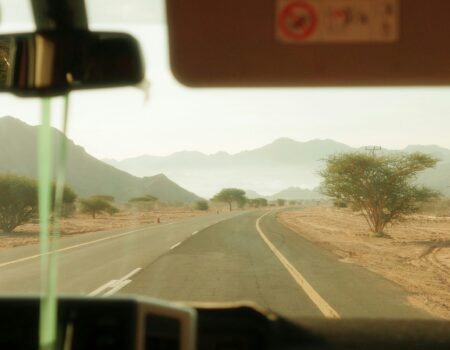
Sive missed the last bus, so he hitched a ride on the back of a light delivery lorry. He set his bags on top of a pile of timber in the load bed and slotted himself neatly in between a gas bottle and a petrol-powered water pump. When the lorry driver slowed down, Sive came to. He had fallen asleep somewhere between 20-30 minutes ago. Sive stepped around the children who had probably boarded at around that same time, kicked the goat that was tied to the lorry’s roll cage for peeing on his black canvas duffle bag, and dared the little rascals to say something. As the lorry drove off, he leaned towards them and pulled the neck of his wifebeater down. This move exposed the bloody, open wound and the yellowish pustules dotted around it.
The sun had set when he got to the small gate fashioned from random bits of discarded wire. His nephew was the first one to spot him. The whole homestead ran outside shortly after to see about the commotion. It was too late in the day to slaughter a chicken for him. All the better, Sive did not fancy chasing down one of their two chickens.
“Long time,” Sive’s sister commented. She was tall with obsidian skin just like Sive’s, but smoother and unblemished without the years of sorrows drowned in whatever intoxicants he could get his hands on. The yard was bare–a 4-hectare bowl of iron-rich red earth religiously swept clean of any mention of topsoil in the name of cleanliness. There were islands of brown grass cut right to the bottom by cattle, which stamped a path through the yard, looking to stave off the death of drought. “Why are you here? We still have nothing for you.” Her laugh filled the home. “I’m teasing! This is your father’s home just as it is mine.”
“What’s up with all the questions then?”
“Hmm. You must be hungry.” And with that, Cebsile swept into the kitchen and made quick work of finishing the dinner she had been busy preparing before he arrived. She made no further mention of the strangeness of this rare visit, nor the hour of its occurrence—only how happy she was to see him. In return, Sive regaled his niece and nephew about his exploits in the city and the big surprise he had for them in a few short weeks.
He told a captivating story of his many fortunes made and lost, about the perils of not knowing your enemies and foes, and an account of how his greatest exploit was yet to come. At the end of the meal, his voice was hoarse and his body drained of energy from the way he was flexing, clenching, stretching, contorting his body as he told his stories.
Once the dishes were put away and the children asleep, quiet descended on Sive and Cebsile. Time moved at a different frequency in these parts. The silence was decorated with the sound of crickets chirping near and far. They sat a little way away from the fire, faces cast in the orange glow of the crackling flame where they had boiled after-dinner tea some hours before.
“Is it back?”
“Here, take this,” he handed her an envelope. She made to unfold it then bent it back and slipped it into her bosom.
“What it is?”
“It’s a letter from a lawyer.” Sive reached for a metal pole leaned against his chair. He poked at the burning logs and put the pot back on the short tripod to continue boiling.
“I knew you were coming.” The haze of red earthen dust around the fire’s light was the only sign of life. The sun was coming up, but darkness still loomed over the valley. “I dreamt of it. Leave it to God.”
“Save that nonsense for someone else.”
“He told me something else: you must move on now. We don’t have much time with you, and I’d rather not spend any of it dwelling on things we can’t change. That’s what killed Baba.”
“Baba was killed by those stupid men who made us abandon our fields.”
“Sive, it’s enough. A man can only hide behind the past for so long.”
“How can you be okay with what happened to us? With what’s continuing to happen to us.”
“Because I’ve been here the whole time. In the end, God balances the scales.”
“I’m not asking for your help.”
“Why are you here then, brother?”
“Where’s your husband?”
Cebsile sighed. “He took the nets out yesterday. But he didn’t come back.”
Sive slipped into his plastic sandals and marched out of the yard, each step seemingly heavier and kicking up more billows of smoke than the last. The children had just woken. He heard them struggle with the cast iron pot that served as a geyser–its legs intermittently scraped along the rocky ground when they carried it to the fire pit.
III.
Sive spotted the black tube from a distance and called for his sbali.
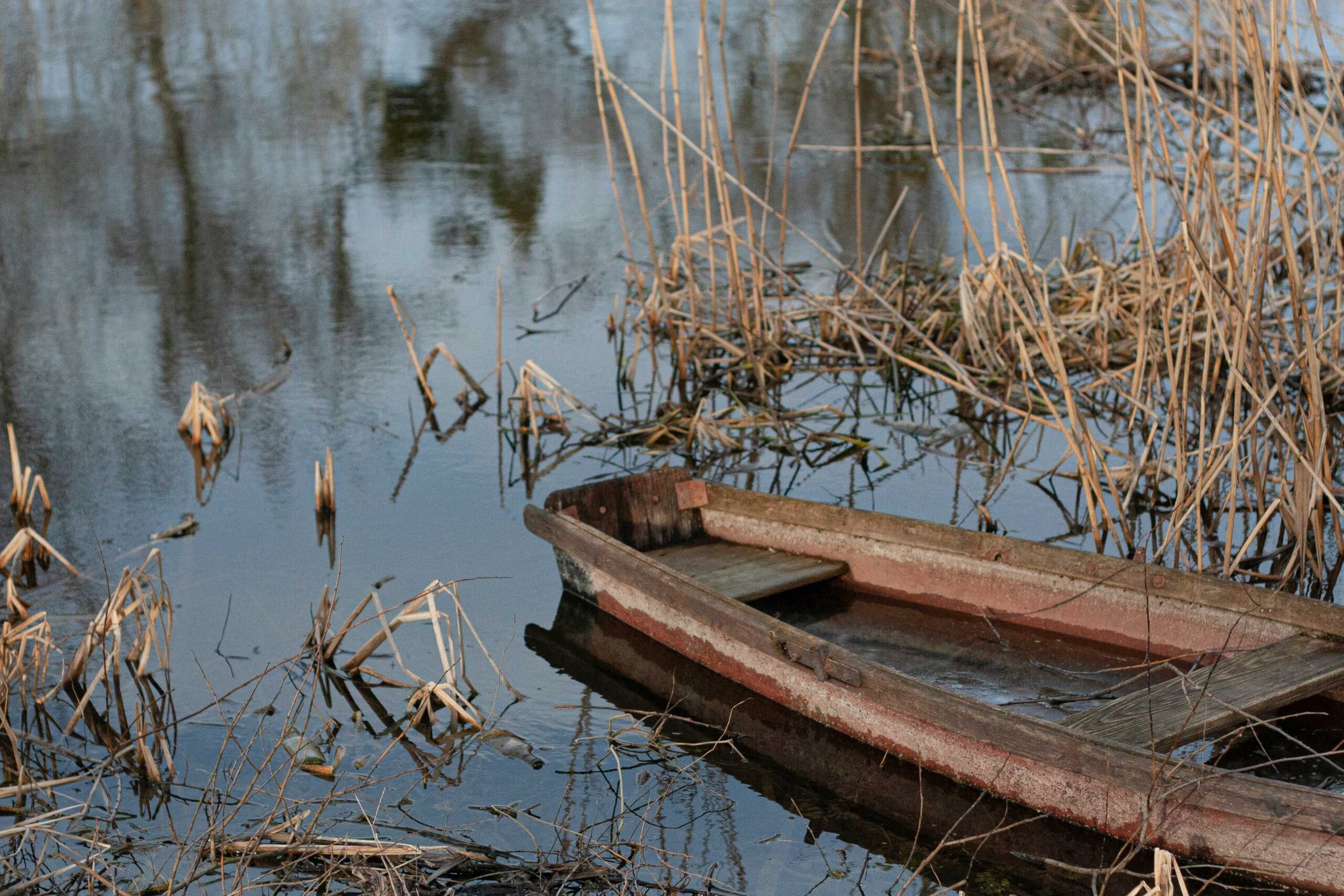
By the time he reached the slender clearing where a shallow pool of dam water made an ideal pad for illegal fishermen to launch their boats, and more commonly tubes taken from worn-out tractor tires, his brother-in-law was coming onshore. His tube had more patches than the surface area of the original rubber, and what remained of the black material was turning white from years of exposure to the elements. It was a dangerous trade, especially during these summer months, when crocodiles were known to float to the surface and snap their ferocious jaws at unsuspecting fishermen, dragging them to the bottom of the dam.
They embraced. “Good to see you. When did you arrive?”
“Last night.”
“That’s good. Help me with this, would you?”
Sive took hold of the light raft from the dam bank while Bongani pushed it towards him, fighting against the slurry of mud into which he would soon sink if he stopped moving. The two men cut a miserable image as they struggled, but the waves coming from all their splashing barely registered a ripple against the magnitude of the manmade reservoir.
Sitting on the bank recovering from their exertion, the live catch of prawns and shrimp from the previous day’s casting tapped against a repurposed paint bucket. Sive was struck by the dam. He had not been taken by its sheer size since it was completed decades prior, and back then, he was a boy, knowing very little, easily impressed. But on this day, as the noon sun offered no respite from summer heat, he was captivated.
From where they sat, they could see how the dam was bordered by a parcel of land cutting in from the right. The bank was in front of an area that had been recently settled and fenced off by an unnamed face who flew in on weekends, escorted by a cloud of dust kicked up by his Land Cruiser. There were many such homesteads and equally many such homeowners on this part of the reservoir. Across the vast expanse of shimmering water, hectares upon hectares of bright green sugarcane just coming to maturity.
“I have to ask: why are you here?”
“Must I explain myself to a man who lives in his in-laws’ home?”
“Do not be offended, sbali wami. I’m only curious because the last you were here, our parting words were not sweet.”
“If you must know, I needed a comfortable place to die.”
“It has returned.”
“For good this time. Tell me, has your father finished selling your inheritance yet?”
“For as long as he breathes, everything is his to do as he pleases.”
“Our fates are decided long before we are born.”
“Maybe.”
“What do you mean?”
“Here you are–it appears leaving is only temporary.”
“Mr. Thinker man, that thing is dangerous eh, you should buy a real boat before you yourself become food,” Sive slapped the threadbare rubber tube, pushing a streamlet of air and water out of it as he did. They laughed.
“Soon. There is a man over there selling a small boat,” Bongani pointed to a densely forested area of tall trees jutting out among the leafless clumps of wattles behind Sive, “once I fix it up? I’ll be selling prawns to every restaurant in the country!”
“You’ve changed.”
“As we all should once or twice.”
Sive picked up a clump of the fine, nutrient-empty soil which had lent this place–Mahlabatsini–its name.
Nothing grew here with ease. The industrious farmers who had refused to give up their old lands had known; there was a reason the entire place was relatively uninhabited before the government mandate moved their homes from the fertile areas across the dam. But they preferred to control their destinies instead of submitting to a plan which had taken 30 years to materialise, like the lazy men who joined farming schemes. At worst, the hard workers thought, the dam would bring them a reliable source of water to allow reengineering barren lands into manors of gold.
Their resolve turned sour after the first harvests of the farming schemes paid out, and hardworking villagers saw their lazy neighbours make more from surrendering their lots of soil than they did from months of dedicated weeding, planting, watering, and harvesting.
This soil could not be rescued, so in two seasons, most had abandoned their initial missions and set out to protest their exclusion.
This was in 2008.
The state, fearing any further upheaval in the months following the financial crisis, scrambled to find an amicable solution. Naturally, they were only too happy to buck responsibility and appoint a committee of slow-moving bureaucrats to adjudicate the situation. Happy to bide their time and collect sitting fees, the committee decided, a year later, that forcibly increasing scheme membership was wrong after all. New members would dilute the shares of the first movers, and that was untenable: the government’s mission was to drive investment, and that meant risk. In the new world of the brave, mavericks deserved to be rewarded for gambling their way to riches. Everyone else would try again in the future. Maybe.
The compromise was the state funding at least 4 dozen greenhouse projects for excluded farmers; ‘at least’ being operative because that is all that was delivered despite the nudges and winks deliberately suggesting that quiet acquiescence would be rewarded with more. In the end, only 20 greenhouses were ever built. The others had been eaten on the way to their intended destination. Sive thought about how different his life may have been had his forebears made different decisions, brave decisions, lazy decisions–to give up to the future instead of fighting for the present. He stared longingly at the fields of sweet green across the water.
“Is it even possible? And what’s the point of it so close to the end?”
“You take for yourself. You can also take for others. What you can’t allow is for this place to take you.” The men had started on the way home, nets and cages cast, the tube deflated hanging around Sive’s neck. “Sometimes you just have to act and hope that the reason finds you after.”
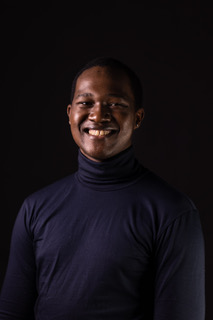
Sivuse Mbingo
Sivuse is a writer from Eswatini. He is a graduate of St. Olaf College in Northfield, Minnesota and hold an MA in Sociology from the University of Witwatersrand. He picked up his pen to write fiction after a raging bout of listlessness and general anxiety. He is currently working on a collection of short stories. He used to be on Twitter but can now be found on Instagram @SivuseMbingo.