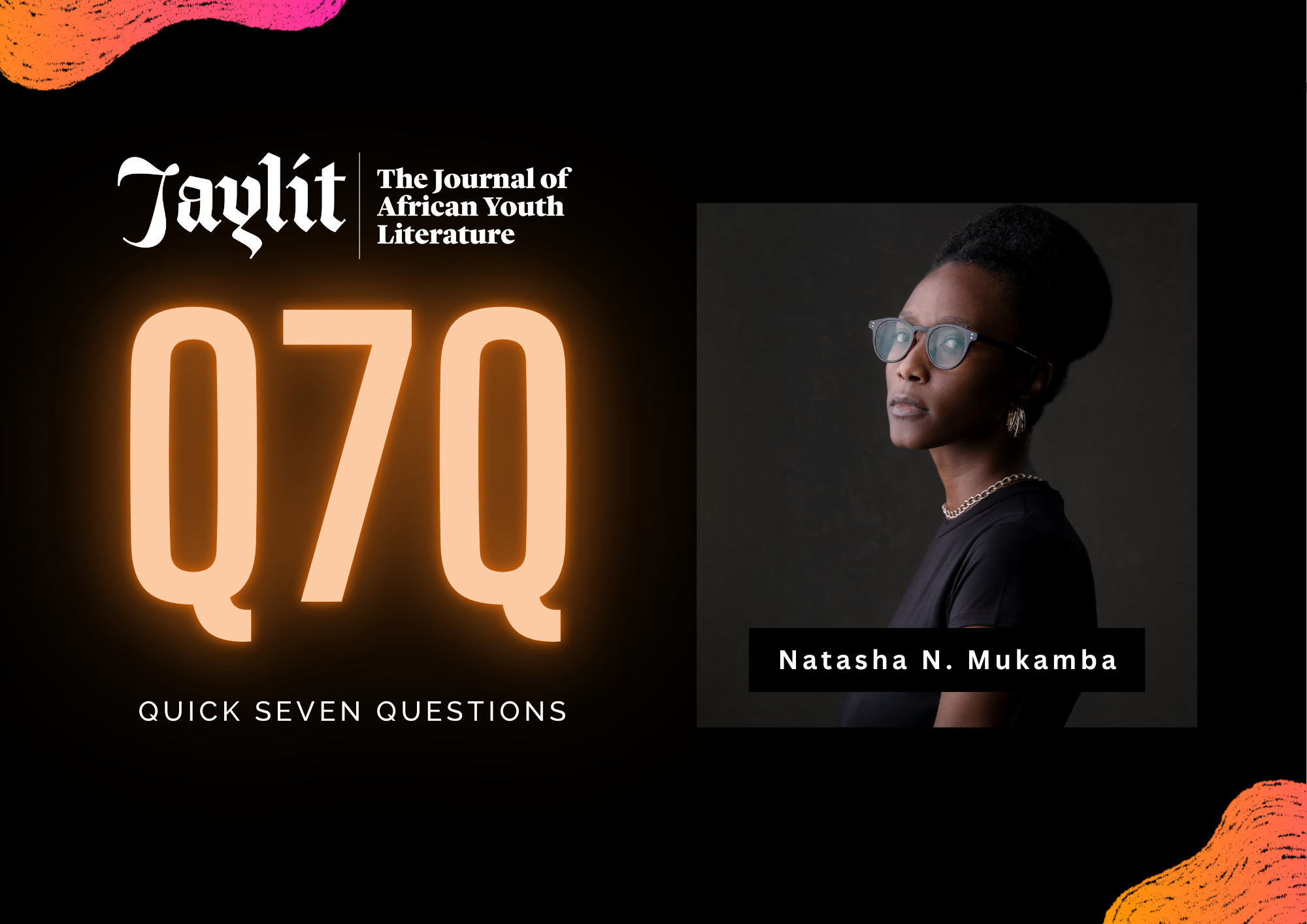
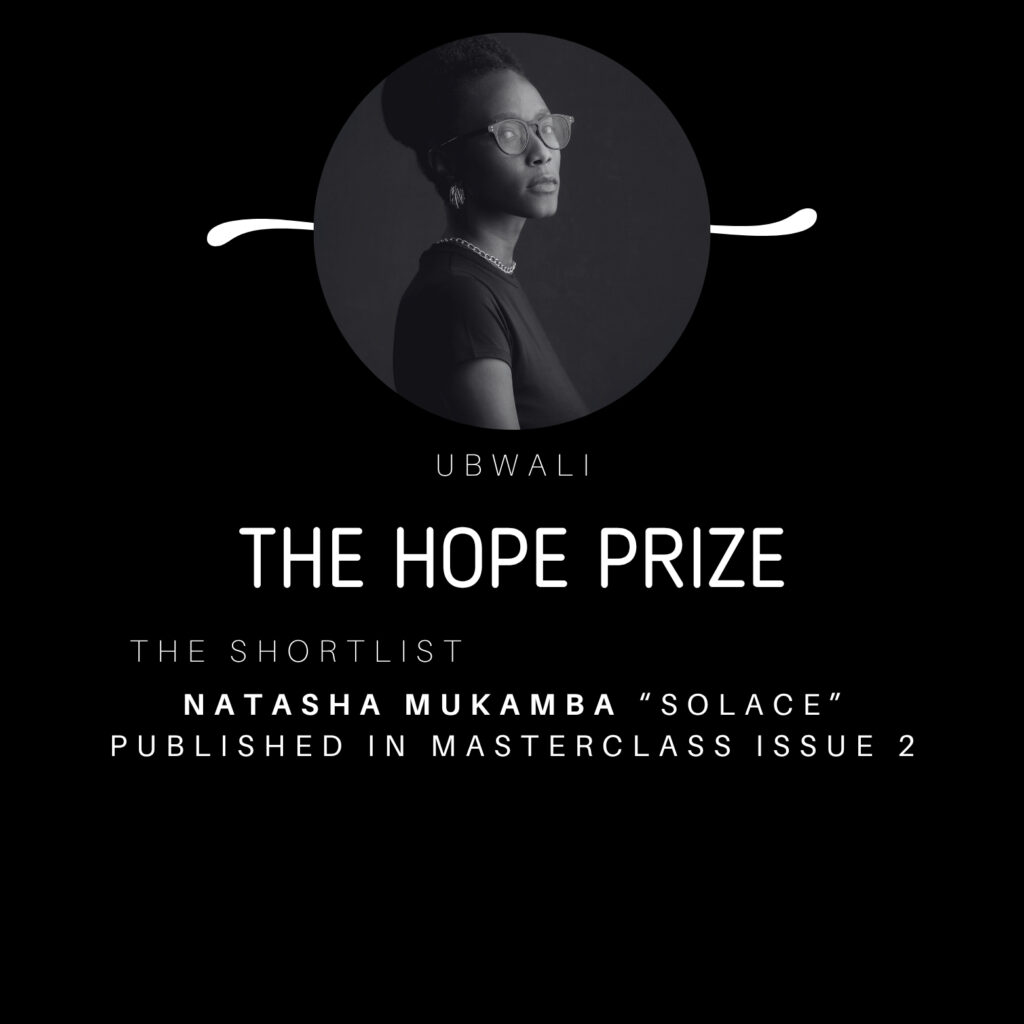
Natasha N. Mukamba is one of six Zambian writers shortlisted for the 2025 Ubwali Hope Prize, presented by Ubwali Literary Magazine in partnership with Shenandoah. The Prize celebrates the best of Zambian prose and poetry. One winner is selected each year, receives an honorarium of $500, is featured in the fall issue of Shenandoah, has future publication in the Journal of African Youth and Literature (JAY Lit) and a year-long virtual writing mentorship with Mubanga Kalimamukwento.
Natasha N. Mukamba was shortlisted for her short story, “Solace”, published in Ubwali Masterclass Anthology Issue 2. The short story can be read here.
Below is our “Quick Seven Questions” interview with Natasha N. Mukamba.
Enjoy!
~
Q1 – Who is Natasha Mukamba?
Natasha Mukamba is a Zambian writer and storyteller deeply interested in human behaviour, the quiet and loud resilience of women, the complexity of family, love and grief, longing, memory, and the ways people survive emotionally invisible battles. I write stories that sit with difficult emotions and ordinary moments alike because I believe there is extraordinary depth in the lives people often overlook.
Beyond writing, I am passionate about literature as a space for connection, reflection, and preservation. I care deeply about African stories, especially those that allow us to see ourselves fully, honestly, and without performance. Much of my work is shaped by conversations around identity, belonging, womanhood, faith, motherhood, and the tension between tradition and modern life.
At my core, I think I am simply someone trying to understand people through story.
I have also found immeasurable joy in being a wife and mother to my three boys, a role that continues to deepen the way I see love, tenderness, sacrifice, and the human spirit.
Q2 – What is the inspiration behind “Solace”?
I have always been drawn to grief in its various forms and the profound impact it has on the human spirit. I am deeply interested in how people love, what loss does to us emotionally, and how we are expected to continue functioning even after tragedy alters us completely. There is something heartbreaking about how the death of a loved one can freeze a person in a single moment while the rest of the world continues moving as though nothing has happened. Meanwhile, the grieving are left to gather the scattered pieces of themselves and somehow learn how to live again.
So with “Solace”, I wanted to explore what love after grief might look like. I was interested in the emotional conflict that can emerge when love returns softly and unexpectedly, especially when someone feels torn between holding on to the memory of what they lost and allowing themselves to embrace something new.
I also wanted to write about two people who have each experienced something beautiful, lost it to the cruel hand of death, and then find themselves standing before the possibility of a second chance at love. To me, “Solace” became a story about grief, tenderness, memory, and the quiet ways life sometimes offers us healing when we least expect it.
So, I would say the inspiration behind “Solace” came from both the cruelty of death and the unexpected grace of second chances. The possibility that even in our deepest grief, life can still gently ask us to pay attention to love again
Q3 – What hopes did you have for the story when you were submitting it to Ubwali Literary Magazine?
I first submitted “Solace” for the Ubwali Masterclass last year with the simple hope of being selected to be part of the class. At the time, I had no idea how much the experience would grow me as a writer or how deeply that growth would shape the evolution of the story itself. Looking back now, I realize “Solace” became stronger because of that journey.
My greatest hope for the story was simply that it would connect with someone. I wanted “Solace” to feel human, emotionally honest, and truthful enough to linger with readers long after they had finished reading it. I also hoped it would find a home among readers and editors who appreciate quiet, emotionally driven stories, and I am incredibly grateful that it did.
Ubwali Literary Magazine has become such an important platform for literary voices in Zambia and across the continent, so even submitting the story already felt meaningful to me. To now see “Solace” shortlisted for the Hope Prize is something I genuinely do not take lightly.
Q4 – What does ending up on the Ubwali Hope Prize shortlist mean to you?
I am honestly still in shock. I did not expect this at all and was not even thinking about the possibility, so when I received the news, I had to sit with it for a moment and let it sink in.
Only last year, after years of writing stories quietly during my 9-5 job, I made the difficult decision to step away and take a career break so I could intentionally focus on my writing for a year or two. That decision came with a lot of uncertainty, fear, and questioning. So ending up on the Ubwali Hope Prize shortlist means a great deal to me, both personally and creatively.
Writing has always felt deeply personal and, at times, isolating. It is a process often filled with uncertainty and self-doubt, so to have a story recognized in this way feels incredibly affirming, especially because the Hope Prize continues to spotlight powerful emerging and established voices in storytelling.
Being shortlisted also encourages me to trust my voice more as a writer. Sometimes we wonder whether quieter, slower, more introspective stories will resonate in larger literary spaces, so this recognition feels especially meaningful to me.
On a personal level, it feels like a gentle reminder to keep going, to keep writing, and to continue believing in the stories I feel called to tell.
Q5 – What would winning mean to you?
Winning would be an incredible honour. Beyond the excitement itself, I think it would feel like affirmation for the kind of stories I am drawn to writing, stories that are intimate, emotionally layered, yet deeply human.
It would also mean visibility, not just for me as a writer, but for the kinds of narratives I think also deserve space within African literature. I care deeply about stories that explore the invisible things people carry, and recognition like this helps create room and visibility for those stories.
As someone passionate about storytelling and literary culture in Zambia, I also believe opportunities and recognition like this can open doors, build confidence through mentorship, and create momentum for future work. Sometimes all a writer needs is one moment that reminds them their voice matters.
Most importantly, I think winning would strengthen my belief that vulnerability in storytelling is worthwhile, that stories rooted in emotional honesty can still move people, connect us, and leave a lasting impact.
Q6 – How has this changed, inspired, motivated, or improved you, the writer?
This experience has reminded me to take my writing seriously, even during seasons when doubt feels louder than confidence. Recognition like this forces you to pause and reflect on your growth, not only in terms of craft, but also in terms of courage, discipline, and belief in your own voice.
I think it has especially encouraged me to trust my instincts more as a storyteller. As writers, we sometimes question our choices, our style, or whether the stories we feel compelled to tell will resonate with others. This experience has reminded me that there is value in trusting the emotional truth of a story and allowing it to unfold honestly.
It has also inspired me to continue sharpening my craft and remain committed to telling meaningful stories with depth and vulnerability. More than anything, it has encouraged me to keep writing even when the process feels uncertain, isolating, or exhausting. I think every writer reaches moments where they wonder whether they should keep going, and experiences like this quietly remind you why you started in the first place.
Q7 – What future plans do you have for your writing?
I hope to continue building a body of work that explores the themes I find myself constantly returning to because they are so deeply connected to how we understand ourselves and one another. I am currently working on a short story collection while also slowly wetting my feet in longer-form fiction. I have become increasingly interested in stories that explore generational relationships, silence within families, the emotional landscapes women navigate, and the ways love, grief, culture, and memory shape us across time.
I also hope to continue pushing the boundaries of my storytelling and challenging myself creatively with every new project.
Beyond my own writing, I am passionate about contributing to literary culture in Zambia and across the continent, whether through literary conversations or creating spaces that celebrate African storytelling and writers.
Ultimately, I want to continue writing stories that make people feel deeply seen, understood, and a little less alone.
~
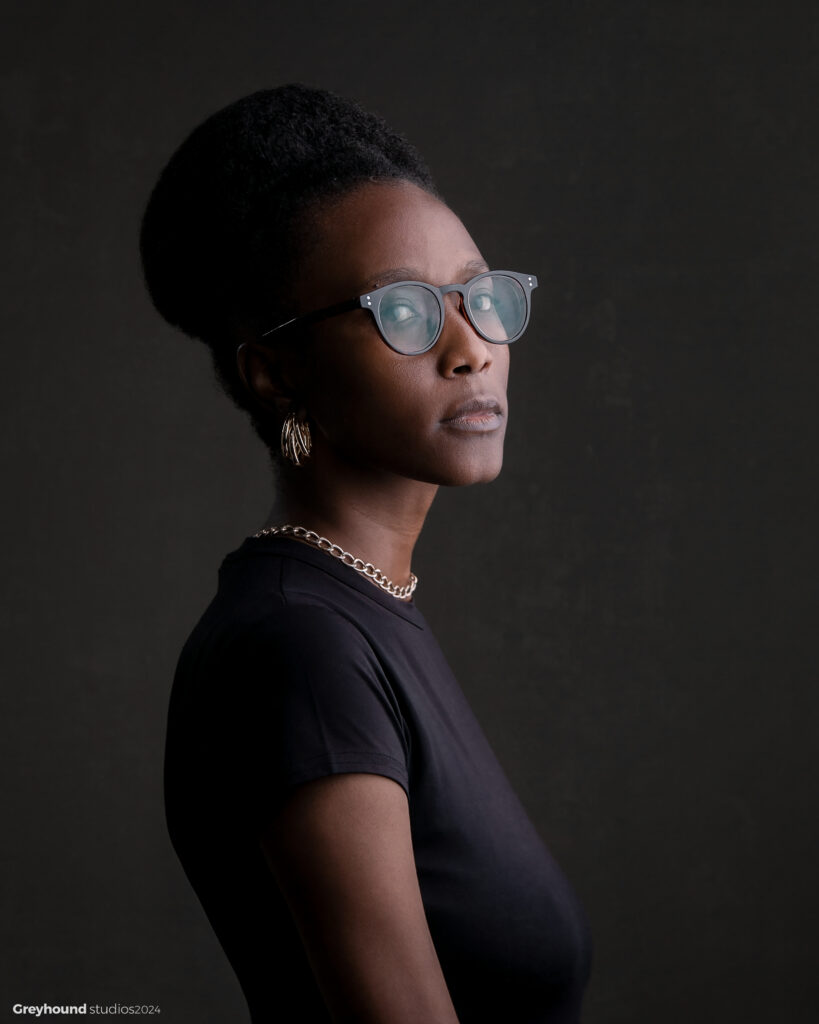
Natasha is a Zambian writer and storyteller. Her work explores love, the complexities of family, and the emotional landscapes of African womanhood. She is the author of Bits and Pieces, a 2025 COPPA Book Award–nominated nonfiction book for young women, for which she was a runner-up. Natasha’s fiction and essays appear in Ponmo is a Bird That Has No Place in a Cultured Culinary Sky and Other Stories (Noisy Streets), Alone and Other Short Stories, the Sister Wives Anthology (Myaambo), and WOMEN’S WORDS: Experiences and Realities (The African Dialogue). She has been featured on The Girl Table’s GT Story Project, The Stripes Literary Magazine, and other platforms. In 2025, Natasha received the Frances Ogamba Scholarship Award for African Writers from Ubwali Literary Magazine. She was honoured with the Creative Woman Award in Literary Arts at the HER Night Awards in Lusaka.