Zambian writers, publishers, and government agencies gathered in Lusaka on 24 March to confront challenges facing the country’s book industry, with calls for greater investment, stronger systems, and wider access to local content.
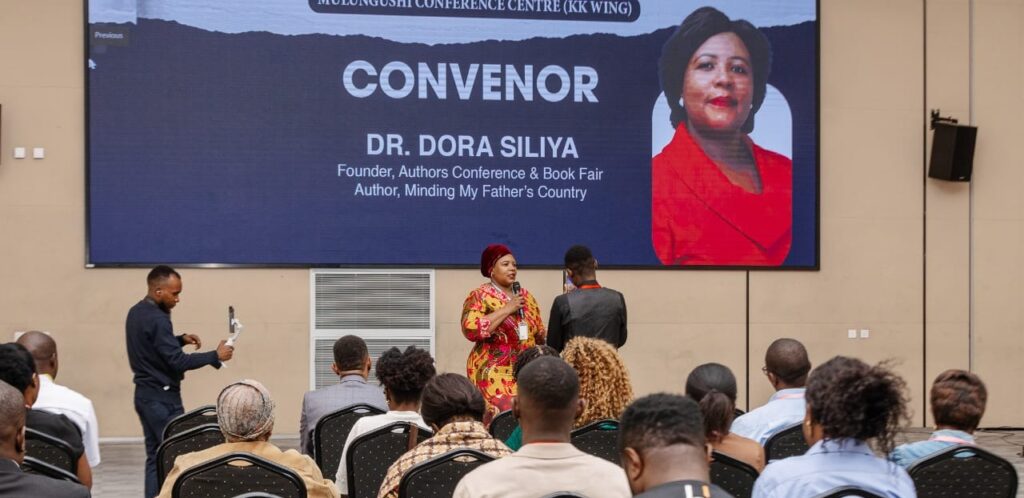
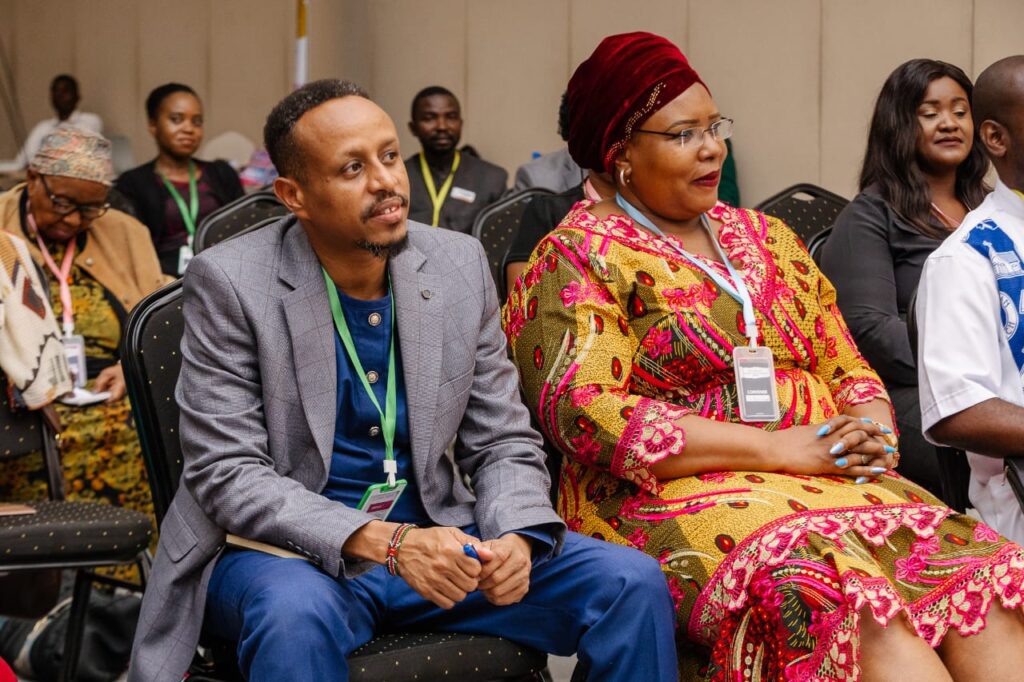
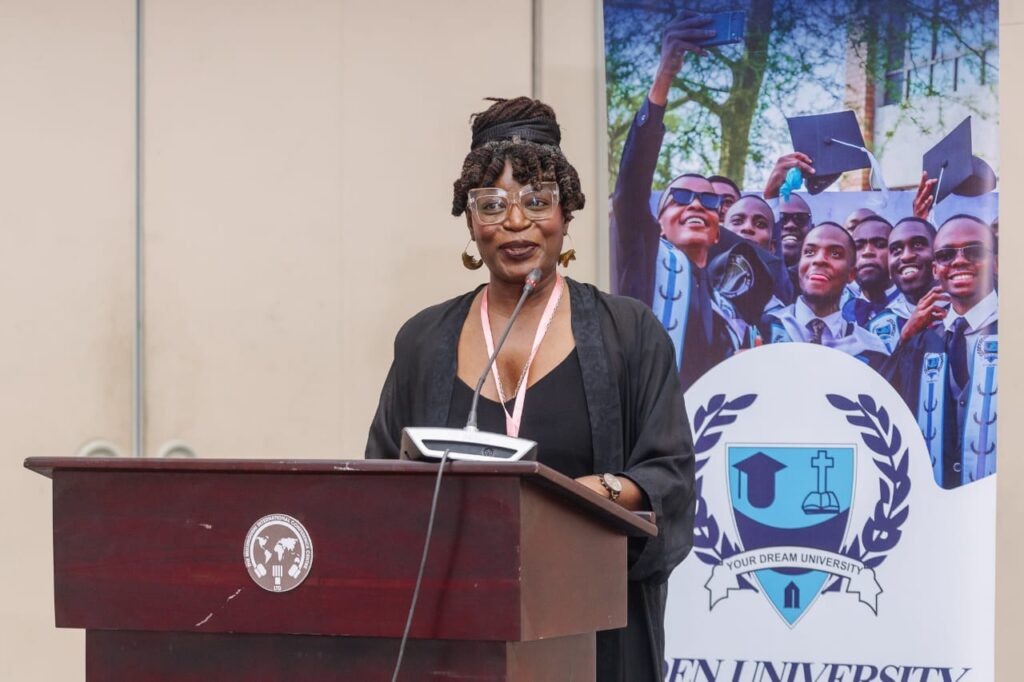
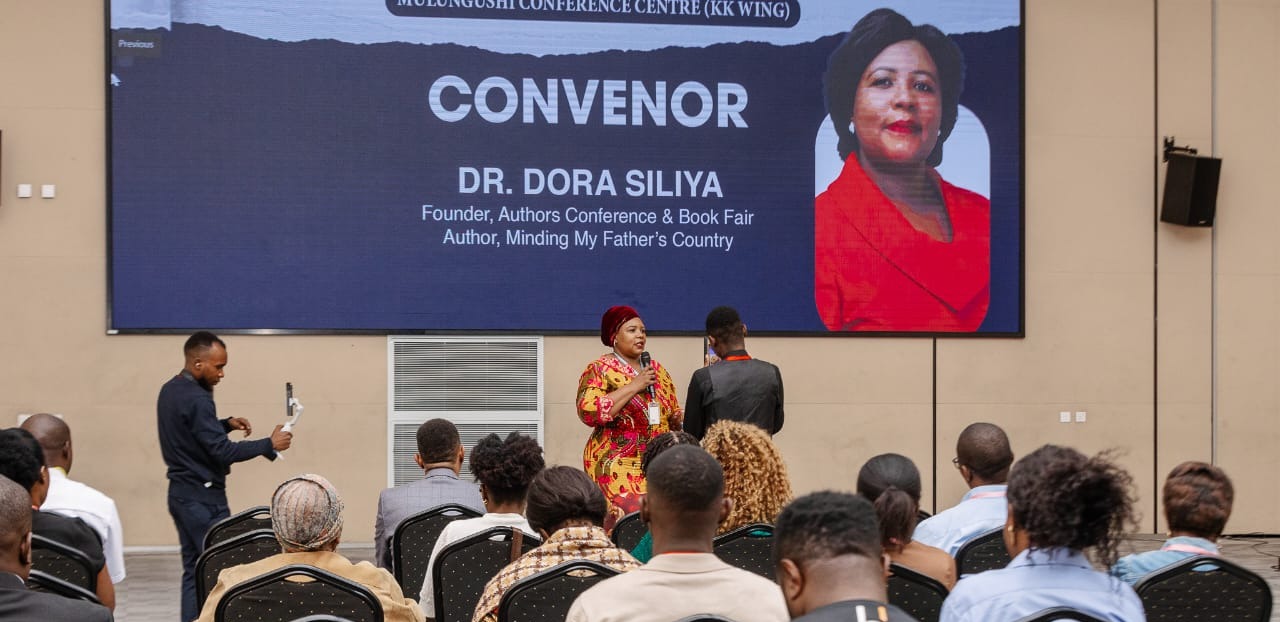
Held at the Mulungushi International Conference Centre, the second Platinum Authors Conference brought together industry players seeking practical solutions to longstanding constraints.
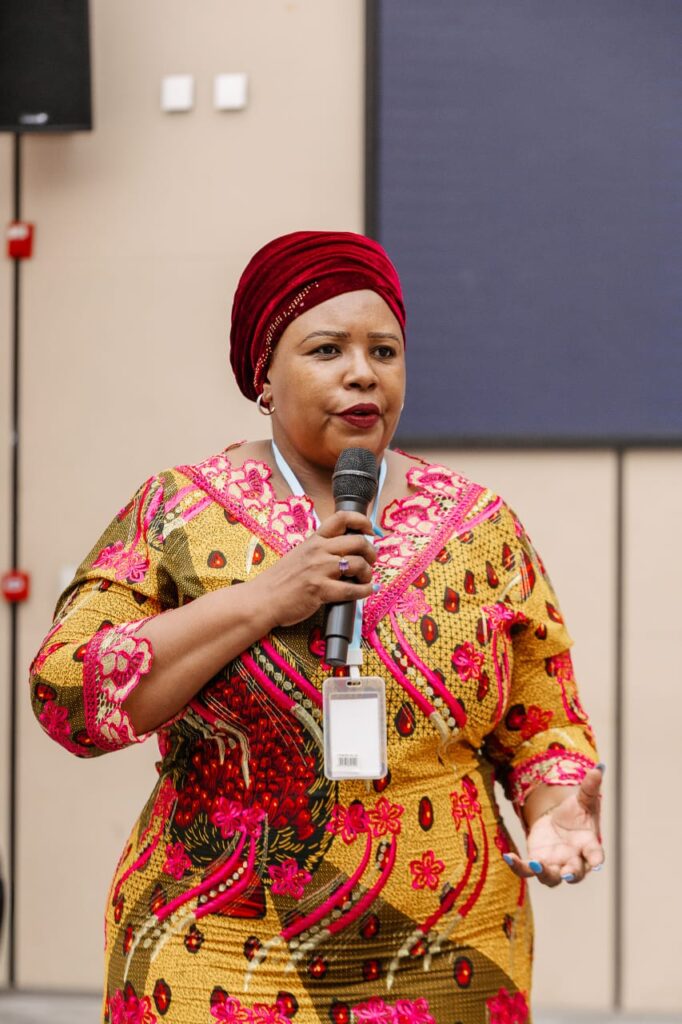
Setting the tone for the discussions, convenor Dr Dora Siliya stressed that books must be taken more seriously within national development. In her words, she said:
“We must ensure that books are not at the back end when we talk about development in Zambia. We must approach books as business instead of charity.”
Participants pointed to high production costs, limited distribution, and weak institutional frameworks as major barriers to growth.
Speaking on the cost of production, Hilda Chintu of 6 Light Media explained the structural limits facing local publishers:
“Local books are expensive since all printing consumables come from outside the country. Zambian books look disappointing because professional machinery is not available. However, no one will buy expensive industrial equipment for 50 writers. Investors will purchase professional machines when there are more authors to use them.”
For many, the challenge extends beyond Zambia to the wider African market. Pointing to continental trade imbalances, Abdullahi Bulle, founder of Kenya’s NuriaStore, highlighted the scale of dependence on imported books:
“In 2023, Africa imported books worth $597 million while exporting books to the value of $81 million. To sell more African books, we need authors who create original content. That’s a challenge because Africa imports everything.”
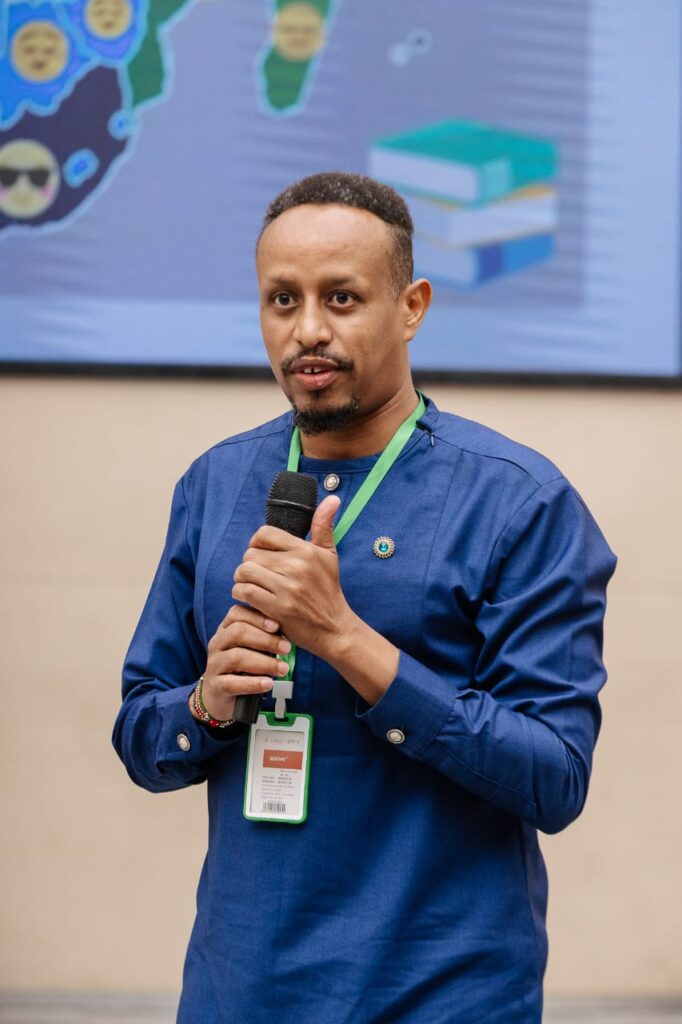
He further noted that access to African literature remains constrained by deeper structural issues. As he put it, “African books do not reach all readers because publishing systems are Western-controlled, prices are high, piracy prevails, and distribution platforms are limited.”
At the same time, questions of access sparked debate among participants. Educators called for more locally produced books in schools, while authors raised concerns about the cost of giving away their work.
Highlighting the situation in schools, Patricia Kalwani Chibinga of Great North Road Academy said:
“Schools struggle to have Zambian books on a large scale, and we feel that the Government should fund authors and publishers. Authors can donate books to our schools so that pupils can read Zambian books.”
The proposal drew resistance from writers, who pointed to the economic realities of publishing. Mwanza Changala of LukumoNtambo Foundation responded directly:
“Printing books is expensive for authors, and we can’t donate books to all schools.”
Financing the industry remains another sticking point. Publishers say private investors are often reluctant to commit to a sector seen as small and uncertain.
Addressing this concern, Jacob Kabwe of Myaambo Publishing House said:
“Any funding that enters a sector must be sustainable. The literary industry is small, and private funders will be hesitant to invest until we demonstrate we can deliver returns. Until then, the government has to fund some aspects as a public service.”
Others argued that the issue lies less in viability and more in how the sector is understood. Offering an alternative view, Kapampa Mwape, CEO of Kulanda House, said:
“The book sector is not unattractive; it is misunderstood. An investor needs to understand that it is not enough to fund a single book. Investors will need to support careers in the publishing ecosystem. Writing, editing, typesetting, literary criticism, book marketing, and bookselling are careers that need to be supported.”
Beyond financing, participants also highlighted gaps in national systems. Zambia currently lacks its own functioning International Standard Book Number (ISBN) structure, making it harder to identify and distribute books globally.
Outlining the scale of the issue, the National Arts Council noted:
“Metadata from the past seven years needs to be updated, and all ISBNs issued in that period must be verified.”
Efforts are now underway to address the problem. Speaking on behalf of the National Archives of Zambia, Director Chileshe Lusale-Musukuma said:
“As the National Archives, we have already begun the process of incorporating International Standard Book Numbers, and we have sent a bill to the Cabinet Office.”
The conference also touched on emerging concerns around technology and authorship. Reflecting on shifts in the writing landscape, Sampa Kangwa-Wilkie said:
“I used to invest thousands of dollars in the Kalemba Short Story Prize, but I stopped when I saw that authors were using AI to generate stories. As an investor, I am not interested in funding AI literature with my own money.”
Despite the challenges, organisers said the discussions marked progress toward building a more sustainable industry.
Dr Dora Siliya closed the event by thanking partners and announcing that the third Platinum Authors Conference will take place next year. She hinted that the next edition would be held on a Saturday to include children, families, and more readers.