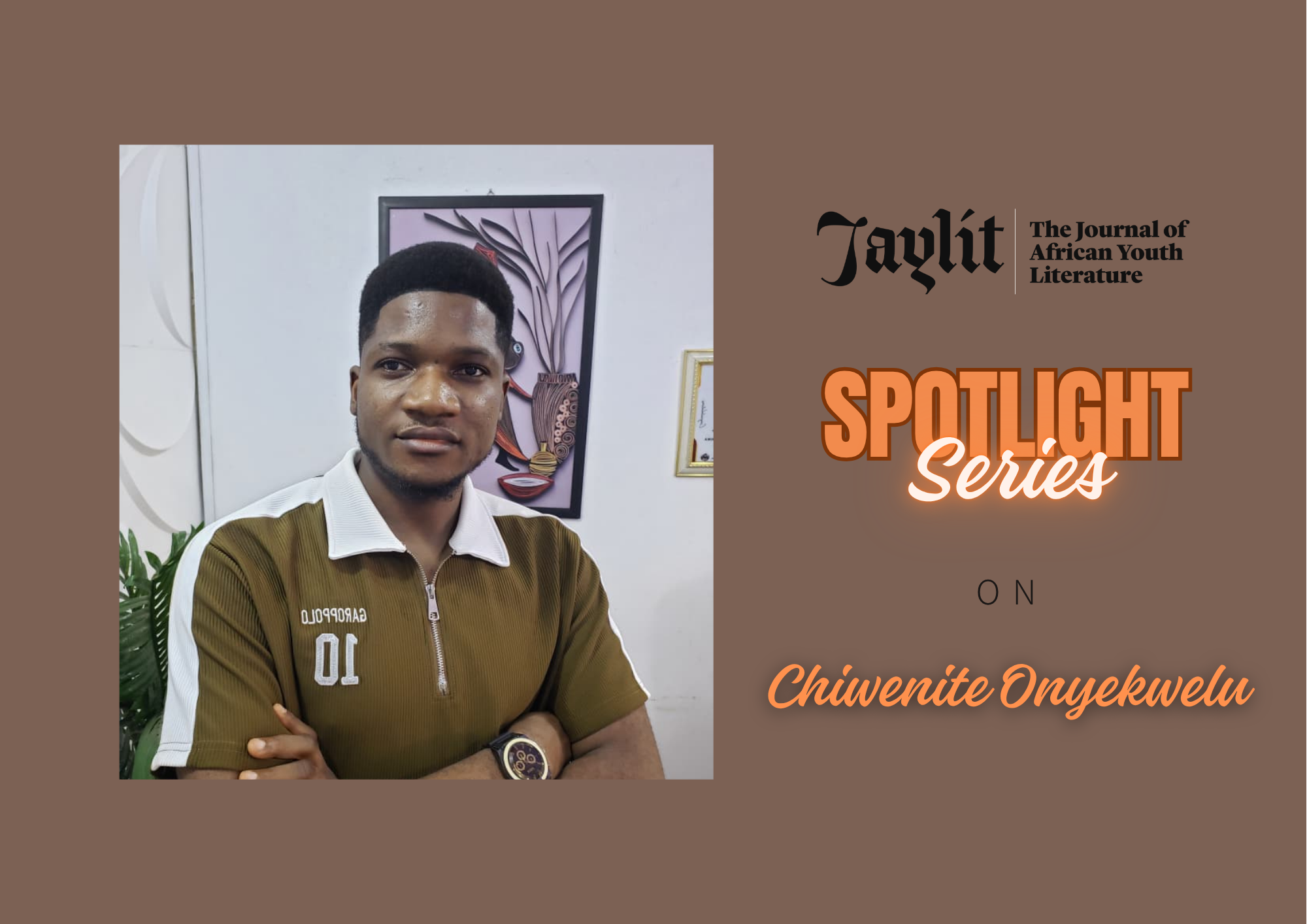
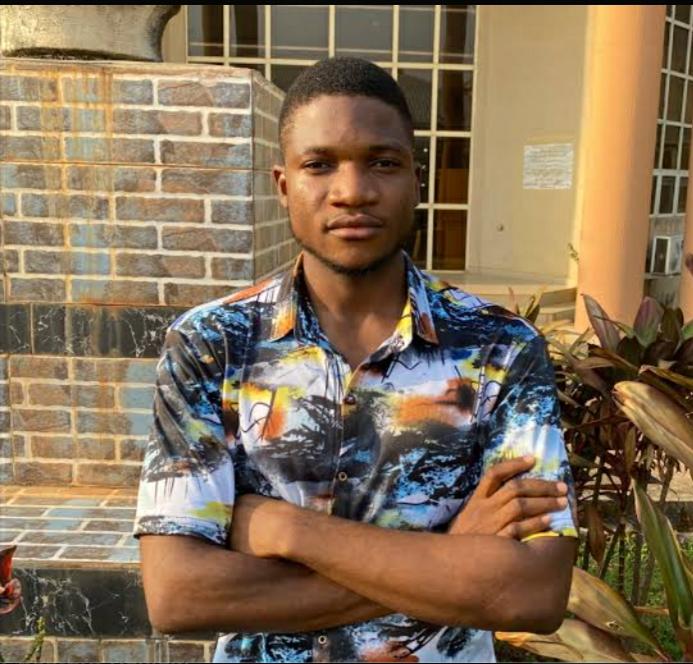
Chiwenite Onyekwelu grew up passing by late Chinua Achebe’s house on the way to Boys Secondary School in Ogidi, a semi-urban town in Anambra State. Before the town became semi-urban, it was very remote, where his childhood was filled with moonlight plays, fetching firewood from the bush, looking for wild fruits, hunting grasshoppers with traps and cutlasses, playing three-man post football on the street, and even jumping into tippers—those large vehicles that carry sand—while going to or returning from school.
Literature was always part of Chiwenite’s childhood. His mother, a primary school teacher, exposed him to the literary world at a tender age through the children’s novels she brought home. Young Chiwenite enjoyed the books, not knowing that one day, he would be a writer.
The environment, they say, influences one’s perception. His change of environment in Junior Secondary School 2 made him see the world as if it were a science experiment. Enrolled in St. Charles’ College, Onitsha, he saw life more clearly. Here, he was exposed to the vigor of city life and scientific activity, in contrast to his small-world perspective shaped by his experiences in Ogidi.
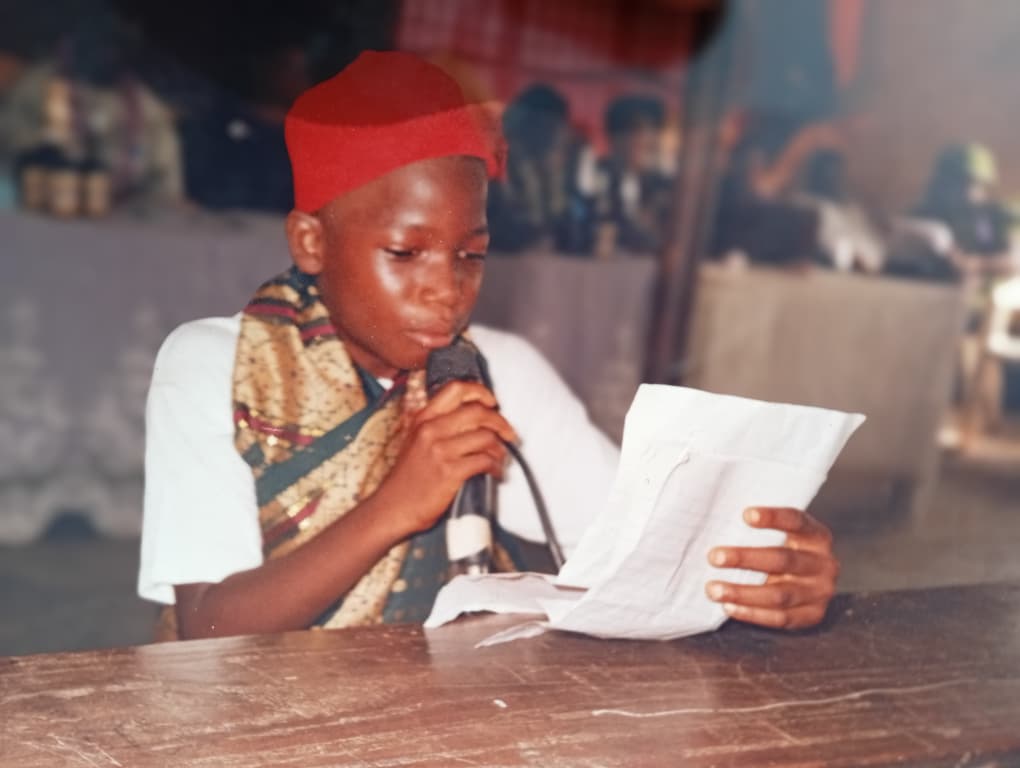
He was initially a painter: as a boy, he drew on paper and made really beautiful paintings until he found solace and comfort in writing at the age of nine, after a traumatic event. As a child, he documented his experiences in torn pages of his school books. Then, he wrote stories of boys who were molested by older women. It was sad, how a novel he wrote and kept from his parents and siblings disappeared one morning.
Abuse is never positive, but he owns it as his first inspiration. Though he couldn’t understand what he experienced then, he knew it wasn’t a good thing, so his early poems, such as “Hydrology” which was published in Kreative Diadem, reflected his abusive experiences.
As time has unfolded, he has found inspiration in other things, and he holds documentation dearly—writing about his personal life, his relationship with his late father and mother, love, the politics that surround him, Nigeria, Biafra, and everything in between. What has shaped him as a writer today is his burning desire not to move away from the small place but to move around with it, to show that you can be anything regardless of what was handed down to you.
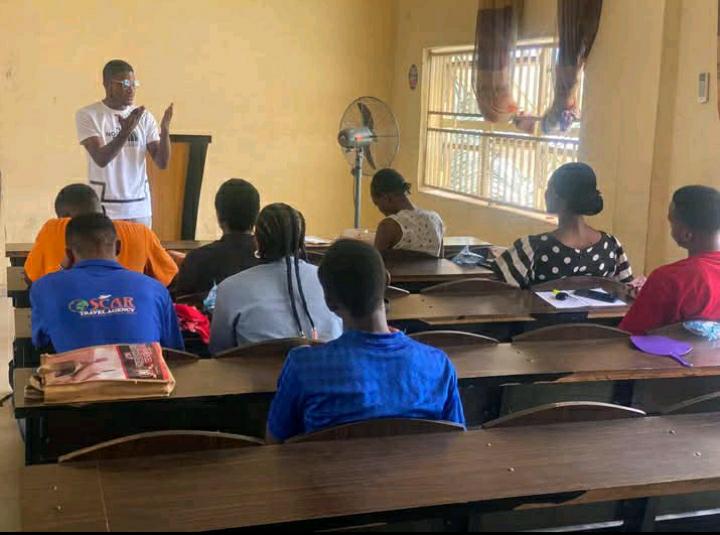
His major influence has been the late Chinua Achebe, whose works he enjoys reading. On the day Achebe was buried, Chiwenite was at home, and his eyes were filled with tears. Even though he passed Achebe’s house every day on his way to school as a child, he never got to meet the man in person. To date, it is his greatest regret as a writer.
Over the last few years, Chiwenite has drawn inspiration from other writers. Momtaza Mehri shaped the early stage of his writing. Reading Romeo Oriogun’s Brunel Prize-winning poems inspired him to attempt poetry. Othuke Umukoro made him see the beauty in diligence. In 2019, he met Chinua Ezenwa-Ohaeto at a literary event organised by Poets In Nigeria Initiative in Awka, and that experience has shaped him in several ways. He has been inspired by the poetry of others as well: Kathryn Hunt, Warsan Shire, Su’eddie Vershima Agema, Adedayo Agarau, Alexis Rhone Fancher, Timi Sanni, Fatimah Asghar, Jericho Brown, and Hanif Abdurraqib. Chinecherem Veronica Enujioke is also a writer he connects with and deeply appreciates.
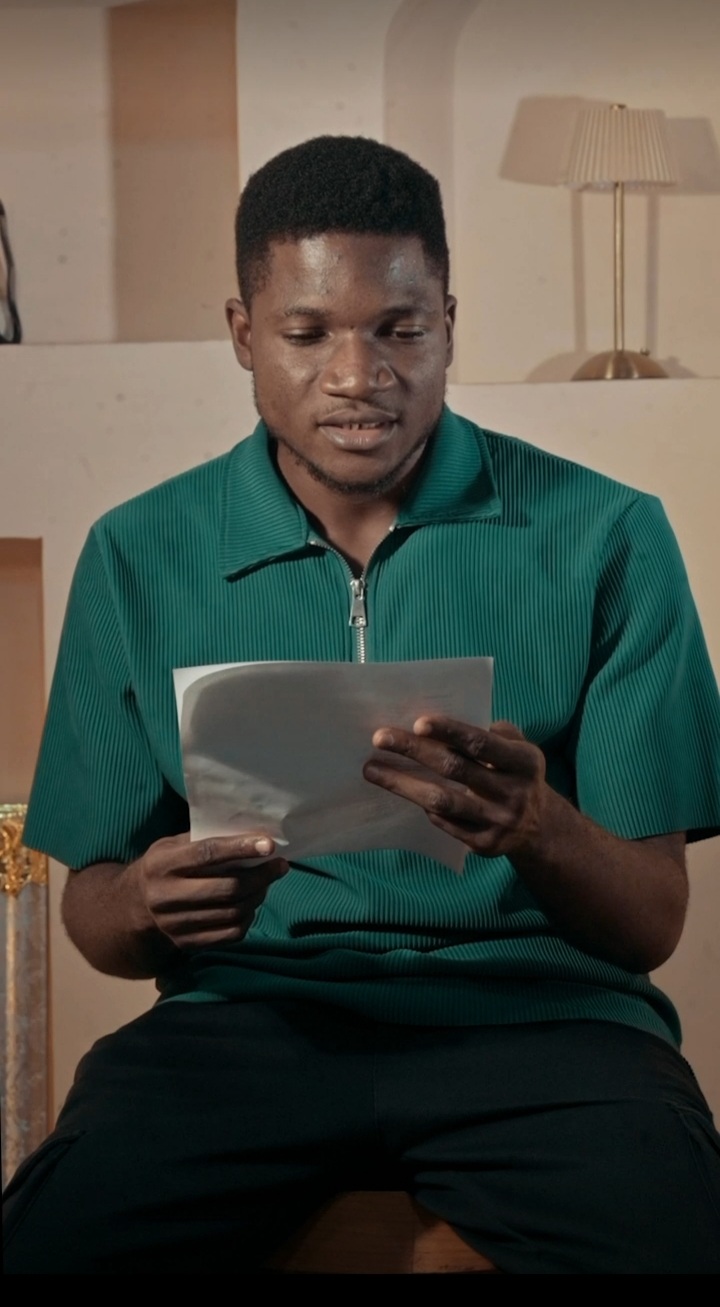
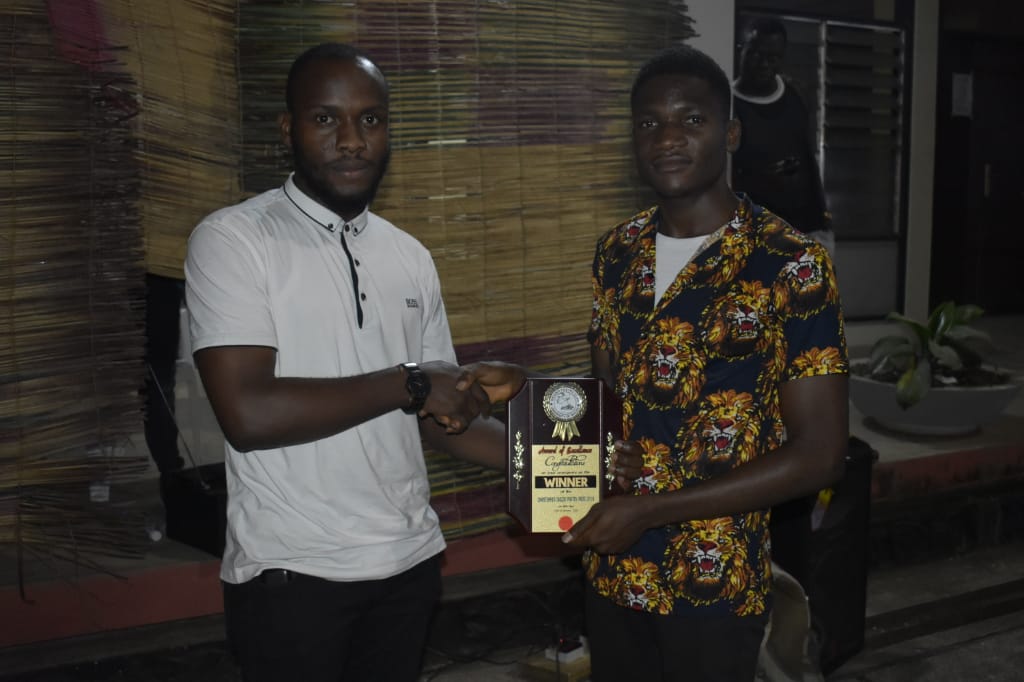
For Chiwenite Onyekwelu, his breakthrough as a writer came in 2020, the year he won his first national and international competitions. He remembers waking up one morning to see an email informing him that he had been shortlisted for the Christopher Okigbo Intervarsity Poetry Prize. On 20th January of that year, he travelled all the way from Anambra in Eastern Nigeria to the University of Ibadan in the West. Because the latter stage of the competition required him to perform his entry, he was already convinced he wouldn’t win. He was ridiculously shy. However, he emerged as the winner of the competition, and that event changed everything.
A few months later, he received an email from Alexis Rhone Fancher informing him that his poem “Transatlantic Equation” had been named the winner of the Jack Grapes Poetry Prize. But what was really intriguing was that there were 3,500 poems submitted for that year’s contest. This, too, was a breakthrough. In 2023, Chiwenite won the Hudson Review Frederick Morgan Poetry Prize. It was his first time coming across $1,000.
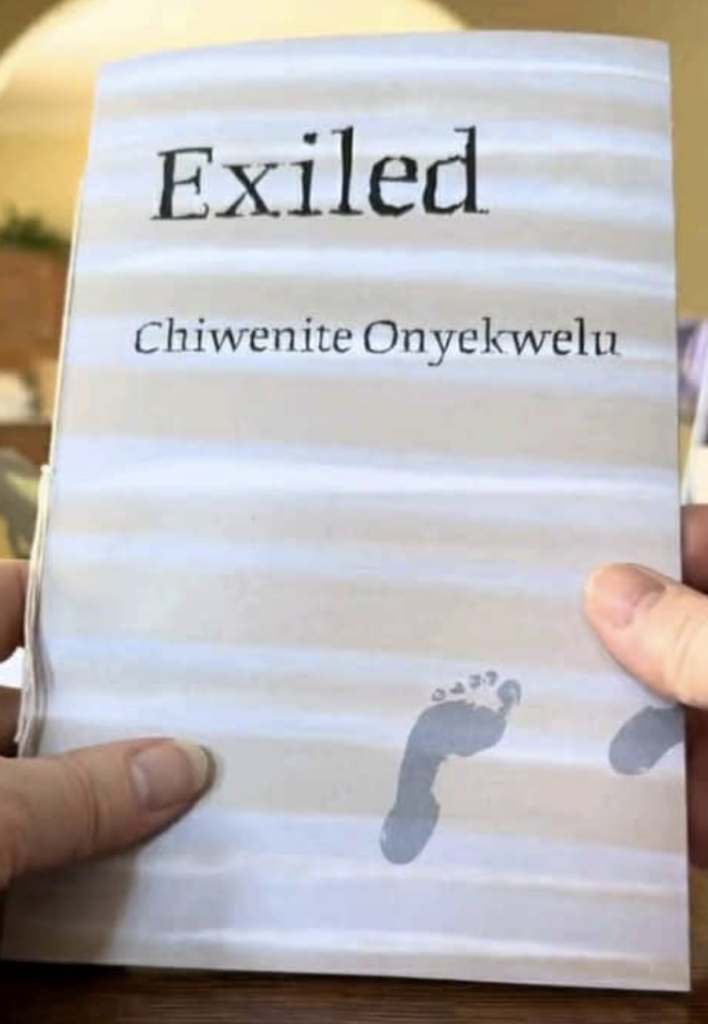
Completing his poetry chapbook, Exiled (now published by Red Bird Chapbooks), is also one of his proudest moments as a writer. In 2024, he won the After the End Poetry Contest organized by the Ethox Foundation at Oxford University and the PRISM’s Pacific Spirit Poetry Contest. He was also shortlisted for the Evaristo Prize for African Poetry in 2025.
Currently, Chiwenite is exploring a different style of writing. His poetry has hugely improved since the start of 2026, so readers should expect something fresh, something unlike they’ve ever seen from him before. Chiwenite wants to get an MFA, move to a place that supports his writing and provides him with level ground to write and compete from, and, certainly, look forward to someday publishing a book and teaching. Also, he wants to explore other kinds of writing, especially cancer research writing, a topic he is deeply invested in.
We wish Chiwenite Onyekwelu a successful ride in his writing career.

Sarah Adeyemo
Sarah Adeyemo, Swan IX, is a Nigerian poet, writer, editor, spoken word artiste and communication expert. The debut author of “The Shape of Silence”. She draws inspiration from solitude and experiences. She is a fellow of the SprinNG Writing Fellowship. Her works appeared or are forthcoming in Akpata Magazine, The Shallow Tales Review, The Muse Journal, The Weganda Review, Everscribe Magazine, Afrillhill Press, Poems For Persons Interest, TV-63 Magazine, Northern Writers Forum Journal, Eboquills, Rinna Lit. Anthologies, and elsewhere. She tweets @SarahInkspires.